
Size
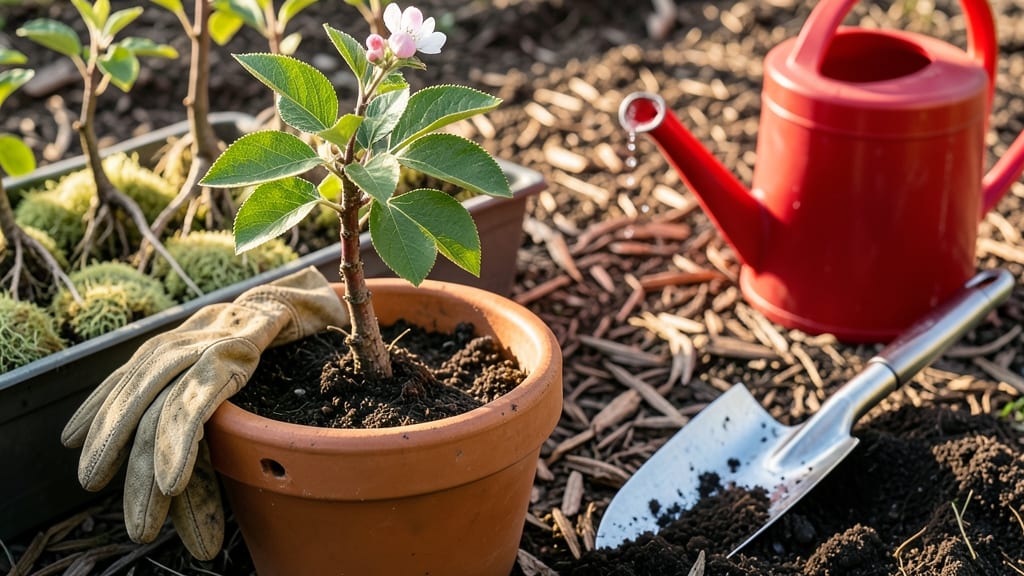
If you plant an apple seed, a tree will grow—but it won’t produce fruit identical to the parent apple, likely yielding wild, unpredictable varieties. Success requires viable seeds, proper soil, sunlight exposure, and 5-10 years of patience for maturity.
Planting an apple seed is like starting a genetic experiment—your tree might grow into something completely different from the fruit you ate. 🌱 Most store-bought apples are grafted hybrids, meaning their seeds won’t reproduce the same variety.
Instead, you’re more likely to get a wild apple tree with small, tart fruit. The key to success lies in seed viability (not all seeds sprout) and giving the young sapling the right conditions: well-draining soil, full sunlight, and consistent moisture during its first critical years.
For those eager to grow edible apples, grafting is the professional shortcut—it ensures the tree produces the exact variety you want. But if you’re curious about nature’s surprises, planting seeds is a rewarding (if unpredictable) adventure. Just be prepared for a decade-long wait before your tree bears fruit.
💡 In This Article
- Why Apple Seeds Grow into Wild Trees (Not Store-Bought Varieties)
- Step-by-Step Guide to Growing an Apple Tree from Seed
Why apple seeds grow into wild trees (not store-bought varieties)
The magic of planting an apple seed lies in nature’s genetic lottery. When you bite into a store-bought apple, you’re eating fruit from a grafted tree, not a seedling.
Commercial orchards use grafting to clone exact varieties—meaning the seed inside that Gala or Fuji apple won’t produce the same fruit.
Instead, it’s a wild card: the seed is the result of cross-pollination between two different apple trees, creating a unique genetic mix. 🌳 This process is called sexual reproduction, and it’s why your seed-grown tree might bear tiny, tart apples—or none at all.
The unpredictability comes from two key factors: hybrid vigor (where offspring may outperform parents in some traits) and random genetic recombination. For example, a seed from a Honeycrisp apple might grow into a tree with disease-resistant leaves but bitter fruit.
Commercial growers avoid this by propagating trees asexually through grafting, ensuring the exact same variety. The science behind this is fascinating: seeds carry two sets of chromosomes (one from each parent tree), while grafts replicate the parent’s DNA perfectly.
Here’s what happens genetically: the seed’s embryo contains a mix of traits from both parent trees, which then undergoes epigenetic changes as it grows. This is why wild apple trees often produce smaller, harder, and more sour fruit—nature prioritizes survival over taste.
In contrast, grafted trees are bred for uniformity, sweetness, and size, traits that wouldn’t survive in a wild setting. 🍏 The result? Your seedling might grow into a beautiful tree, but don’t expect it to look like the apple you planted!
For those who want predictable results, grafting is the gold standard. Orchardists take a scion (a young shoot from the desired variety) and attach it to a rootstock (a hardy root system). This ensures the tree produces the exact apple you want, like a Granny Smith or Pink Lady.
Without grafting, you’re relying on chance—and nature’s love of surprises. Even if your seedling does produce fruit, it might take 10-15 years to mature, compared to 3-5 years for a grafted tree.
Consider the famous Johnny Appleseed story: he didn’t grow commercial apple trees—he planted seeds, creating wild orchards that became the foundation for many modern varieties. His trees were hardy but unpredictable, just like what you’d get from planting a seed today.
The lesson? If you want edible, consistent apples, grafting is the way to go. But if you’re fascinated by nature’s experiments, seeds offer a wild adventure. 🌿
One final twist: even if your seedling produces fruit, it might not be self-pollinating. Many wild apple trees need another apple tree nearby to cross-pollinate, meaning you could end up with a tree full of leaves but no fruit.
This is another reason commercial orchards plant multiple varieties close together—ensuring fruit production every year.