
How To
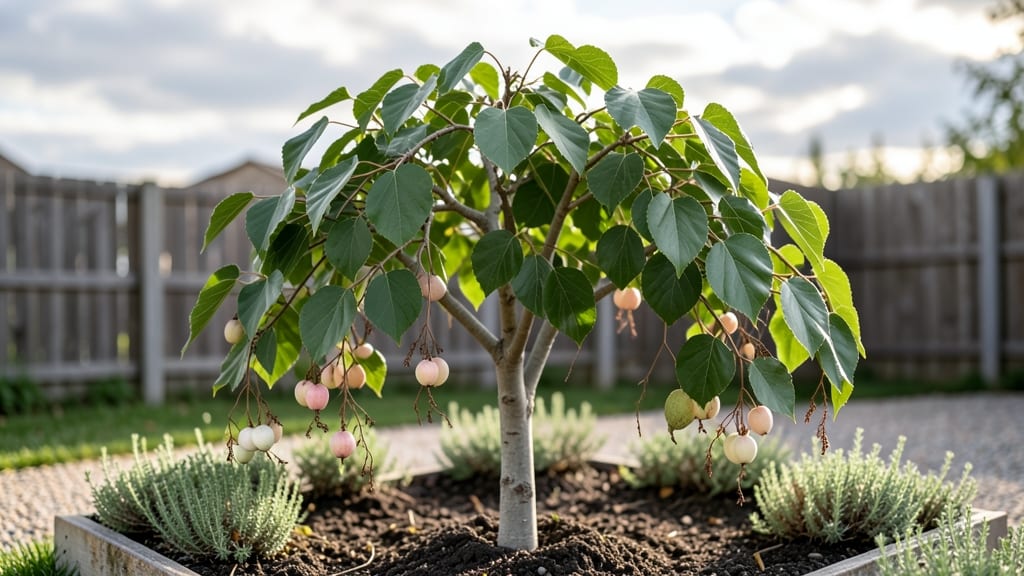
Dwarf mulberry tree height guide: varieties under 8 feet explained
Choosing a dwarf mulberry tree is a game-changer for small yards or urban gardens. These compact varieties pack all the flavor of their towering cousins into a space-saving package—typically reaching just 6 to 8 feet at maturity.
But not all dwarf mulberries grow the same height, and understanding their unique growth patterns helps you pick the perfect fit for your space. Let’s break down the most popular varieties and what influences their height.
One of the biggest misconceptions is that all dwarf mulberries stay under 6 feet. While some varieties like Illinois Everbearing consistently hit that mark, others like Golden Rain can stretch closer to 8 feet if left unpruned.
Even within the same variety, factors like pruning techniques, soil quality, and sunlight exposure can push a tree taller—or keep it neatly contained. Knowing these details ensures your dwarf mulberry stays the size you want.
The key to managing height lies in understanding each variety’s growth rate and pruning response. Some dwarf mulberries grow 2 to 3 feet per year in their first few years, while others grow more slowly.
For example, the Dwarf Mulberry ‘Nana’ often tops out at 6 feet, making it ideal for containers or small patios. Meanwhile, Illinois Everbearing can reach 7 to 8 feet but responds well to pruning to keep it shorter.
| Variety | Mature Height | Growth Rate (First 3 Years) | Pruning Needs | Best For |
|---|---|---|---|---|
| Illinois Everbearing | 6–8 ft | 2–3 ft/year | Moderate (annual pruning) | Yards, patios, containers |
| Golden Rain | 7–8 ft | 3 ft/year | High (regular thinning) | Privacy screens, large containers |
| Dwarf Mulberry ‘Nana’ | 5–6 ft | 1–2 ft/year | Low (minimal pruning) | Containers, balconies, small gardens |
| Black Diamond | 6–7 ft | 2 ft/year | Moderate (shape pruning) | Ornamental planting, small yards |
If you’re growing a dwarf mulberry in a container, expect it to stay slightly shorter than its ground-planted counterparts—often 1 to 2 feet shorter—due to root restriction. However, containers require consistent pruning to prevent the tree from becoming top-heavy.
I’ve seen Illinois Everbearing trees in 20-gallon pots reach 5 feet with regular pruning, making them perfect for patios or rooftop gardens.
Pruning is the single most effective way to control your dwarf mulberry’s height. For example, if you want to keep a Golden Rain tree under 7 feet, prune it back by 20% in late winter before new growth starts.
This encourages bushier growth and prevents vertical stretching. Always use sterilized pruning shears to avoid disease, and remove no more than 30% of the canopy in one session to avoid stressing the tree.
Another factor that affects height is soil quality. Mulberry trees thrive in well-draining, slightly acidic soil (pH 6.0–7.0). Poor soil or compacted clay can stunt root growth, leading to slower height increases—but it can also cause the tree to grow unevenly or develop weak branches.
Amending your soil with compost or organic matter before planting gives your dwarf mulberry the best start for controlled growth.
Sunlight plays a crucial role too. While dwarf mulberries tolerate partial shade, they grow taller and fuller in full sun (6+ hours daily). If your tree is in shade, it may stretch toward light, increasing its height.
I’ve noticed Black Diamond mulberries in partial shade grow 1 foot taller than those in full sun over the same period. To combat this, consider moving potted trees to sunnier spots or supplementing with grow lights if space is limited.
One common question I get is whether dwarf mulberries stay permanently compact or if they’ll eventually outgrow their name. The answer depends on the variety and care. For instance, ‘Nana’ stays reliably under 6 feet, while Illinois Everbearing can reach 8 feet if not pruned.
Even then, with annual pruning, you can keep it at a manageable height. Think of dwarf mulberries as trainable—they adapt to your space with the right care.
For those with limited space, consider espalier training to grow your dwarf mulberry flat against a fence or wall. This technique not only saves space but also makes harvesting easier. I’ve trained a 5-foot-tall ‘Nana’ mulberry along
How to maximize space with dwarf mulberry trees: pruning and care tips
Dwarf mulberry trees are perfect for small gardens, patios, or containers—but their height still needs careful management. With the right pruning techniques and seasonal care, you can keep these trees compact while ensuring abundant fruit production.
The key lies in understanding their natural growth patterns and how to guide them without stunting their health.
Most dwarf mulberry varieties reach 8 to 12 feet at maturity, but with aggressive pruning, you can maintain them at 6 to 8 feet. The secret? Pruning in late winter or early spring before new growth begins.
This encourages bushier growth and prevents vertical sprawl, making them ideal for tight spaces or urban gardens.
Step-by-Step Guide to Pruning Dwarf Mulberry Trees
- Step 1: Timing is critical—prune in late winter (February-March) or immediately after harvest. Avoid pruning in fall, as new growth may not harden off before winter.
- Step 2: Remove dead or crossing branches first using clean, sharp pruners. Cut at a 45-degree angle just outside the branch collar to prevent disease.
- Step 3: Shape the tree by trimming back 1/3 of the tallest branches to encourage bushier growth. Focus on branches growing vertically to control height.
- Step 4: Thin out interior branches to improve airflow and sunlight penetration. Remove any suckers or water sprouts that emerge from the base or trunk.
- Step 5: Fertilize lightly after pruning with a balanced 10-10-10 fertilizer to support new growth. Water deeply to help roots recover.
For container gardening, choose a variety like Illinois Everbearing, which thrives in pots and can be pruned more aggressively. Use a container at least 18 inches wide and deep with drainage holes, and repot every 2-3 years to refresh the soil.
Mulch around the base to retain moisture and regulate soil temperature.
Seasonal care is just as important as pruning. In spring, apply a layer of compost or organic mulch to enrich the soil and retain moisture. During summer, water deeply once a week (more frequently in containers) and monitor for pests like aphids or spider mites.
Aphids can be controlled with a soapy water spray or neem oil.
In fall, reduce watering and avoid fertilizing to allow the tree to prepare for winter. If you live in a colder climate (USDA Zone 5 or below), wrap the trunk with burlap or use tree guards to protect it from freezing winds.
Most dwarf mulberry trees are hardy to Zone 5, but young trees may need extra protection.
With these pruning and care tips, your dwarf mulberry tree will stay compact, productive, and healthy for years—perfect for small spaces without sacrificing fruit yield! 🌿✂️🌳