
Pruning
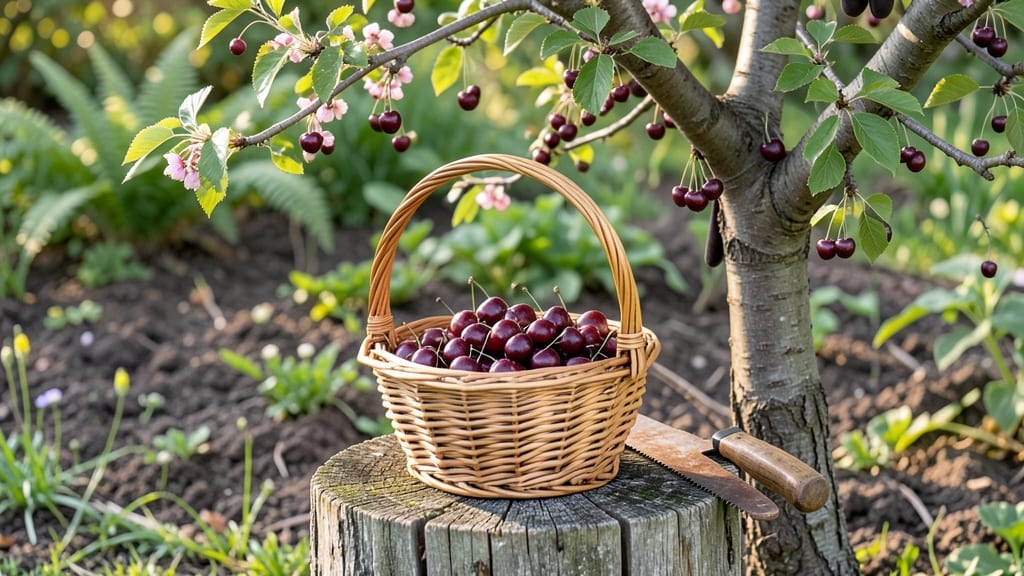
Edible parts of weeping cherry trees include only the fully ripe fruits, which deliver a sweet-tart taste reminiscent of sour cherries—but only from non-toxic varieties like Prunus serrulata or Prunus subhirtella. All other parts, including leaves, stems, and especially the pits, are poisonous due to cyanogenic compounds.
Weeping cherry trees are often admired for their ornamental beauty, but their fruit is the only part you can safely eat once fully ripe. 🌸 The key is identifying the right variety—some ornamental cherries, like those in the Prunus genus, are safe, while others may contain harmful compounds.
When harvesting, wait until the fruit is deep red and slightly soft to the touch, then remove it carefully to avoid seeds. The flavor works beautifully in jams, desserts, or even fermented drinks, but always discard any pits or stems to prevent accidental poisoning.
What's surprising is how quickly the fruit transitions from tart to sweet as it ripens—this makes timing critical. I recommend testing a small amount first, even with confirmed edible varieties, as individual trees can vary in flavor intensity.
The leaves and bark, however, should never be consumed, as they contain cyanide precursors that can cause serious health issues.
💡 In This Article
- Identifying Edible vs Toxic Parts of Weeping Cherry Trees
- Harvesting and Preparing Weeping Cherry Tree Fruit
Identifying edible vs toxic parts of weeping cherry trees
First, focus on the fruit's color and texture—ripe weeping cherry fruits turn a deep, vibrant red (sometimes almost purple) when ready to eat.
Unlike unripe cherries, which are firm and tart, fully ripe ones yield slightly to gentle pressure. 🌿 The key botanical marker is the fruit's separation from the stem: when it detaches easily, it's typically safe to consume.
However, this only applies to specific non-toxic varieties like Prunus serrulata (Japanese cherry) or Prunus subhirtella (autumn cherry). Ornamental cultivars often lack these safety guarantees.
The seeds—especially the hard pits—are where danger lurks. Each pit contains 100-300 mg of amygdalin, a compound that converts to cyanide when chewed or crushed. Even small amounts can be lethal, with symptoms appearing within 30-60 minutes of ingestion.
The leaves and bark also contain these cyanogenic compounds, though in lower concentrations. To visualize the risk: a single crushed pit releases enough cyanide to contaminate a bowl of cherries, making seed removal critical during preparation.
Visual identification is your best defense. Safe cherries should have smooth, unblemished skin and no signs of mold or insect damage.
Compare them to grocery store sour cherries—they share a similar size and shape but often lack the weeping cherry's delicate floral aroma. 🍒 The stems should be thin and green, not woody or brown.
If you're unsure about the tree's variety, consult a local botanist or horticulturist before harvesting, as misidentification can have serious consequences.
Another critical distinction lies in the fruit's attachment. Edible varieties typically grow in clusters of 2-5 cherries per stem, while toxic ornamental cherries may have solitary fruits or different branching patterns.
The bark of edible trees is usually smoother and lighter in color compared to the rough, darker bark of many ornamental species. These visual cues, combined with variety confirmation, create a layered safety system for identification.
For those with allergies, note that cherry tree pollen can trigger reactions in sensitive individuals. The fruit itself rarely causes allergic responses, but cross-contamination during harvesting (from touching leaves or stems) might pose risks.
Always wash newly picked cherries thoroughly under cool water to remove any residual sap or debris that could harbor toxins.
Consider this practical tip: if you're harvesting from a public space, avoid trees near roads or industrial areas.
Cherries absorb pollutants through their leaves, and while this doesn't create new toxins, it can alter the fruit's flavor and nutritional profile. 🌳 Freshly picked cherries from clean environments will have the brightest color and sweetest taste, making them ideal for culinary use.