
Propagation
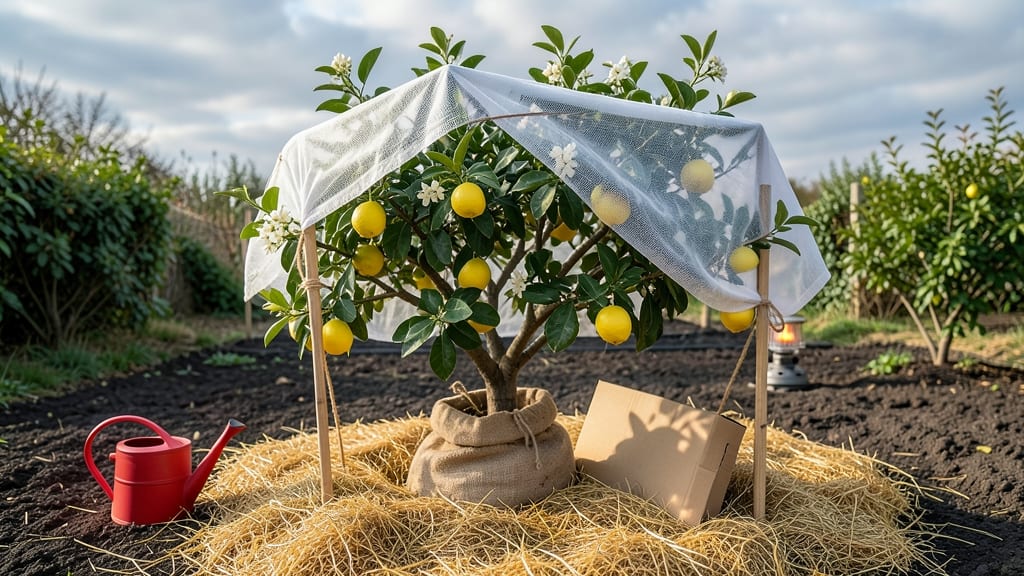
How to protect a lemon tree from frost depends on tonight’s preparation. ❄️ Frost can turn glossy leaves to crispy brown in hours, but layered insulation—mulch, windbreaks, and coverings—gives your tree a fighting chance even in USDA Zones 8-10. I’ve saved multiple trees using these exact steps after my first winter wipeout left me scrambling for solutions.
The key is acting before temperatures drop below 28°F. Start with a 4-6 inch mulch ring around the base (straw or pine needles work best), then drape frost cloth loosely over the canopy—secure it without crushing branches.
Windbreaks (even a temporary tarp barrier) prevent windburn, which weakens trees faster than cold alone. For extra insurance, wrap the trunk with bubble wrap or burlap to insulate the vascular system.
By morning, you’ll see leaves still plump and green, not the sad, shriveled mess that ruins a season’s work. The best part? These methods work for citrus, avocados, and even tender perennials.
The only mistake I’ve made? Waiting until the forecast says “frost likely” instead of “watch for frost”—so check the National Weather Service 24 hours ahead and prep early.
Long-term, consider cold-hardy varieties like ‘Meyer’ lemons or ‘Improved Meyer’—they tolerate brief dips to 18°F with proper care. But for now, focus on tonight. Grab those supplies, and let’s keep your tree thriving through the freeze.
📚 In This Guide
- What you need
- Instructions
- Tips and common mistakes
- Wrapping up and next steps
What you need
- ● Frost cloth or row covers: 1–2 heavy-duty covers (rated for 10–15°F protection), sized to drape over the tree and extend to the ground. Tip: Look for breathable fabric to prevent moisture buildup.
- ● Burlap or cardboard: Enough to wrap the trunk (at least 2–3 sheets per tree, cut to fit snugly).
- ● Stakes or PVC pipes: 4–6 per tree (6–12 inches tall) to secure frost cloth in place.
- ● Twine or zip ties: To anchor the cloth tightly around the tree.
- ● Mulch (straw, pine needles, or wood chips): A 3–4 inch layer spread around the base (not touching the trunk) to insulate roots.
- ● Watering can or hose: For a deep watering before frost hits (1–2 gallons per tree).
- ○ String lights or heat lamps (optional but helpful): Battery-operated or solar-powered lights to provide gentle warmth (if temps drop below 20°F).
- ● Pruners: To trim any dead or weak branches that could trap cold air.
- ● Gloves: Heavy-duty work gloves for handling mulch or wrapping materials.
- ○ Thermometer (optional): A soil or air thermometer to monitor temperatures near the tree.
- ● Plastic wrap (clear or black): A last-resort option for small trees (wrap loosely around the canopy only if temps are below 25°F).
- ○ Fan (optional): A small, battery-operated fan to circulate air and prevent frost pockets around the tree.
Step-by-Step instructions for protecting lemon trees from frost
Layered insulation is the secret to saving your citrus trees when temperatures plunge.
🌱 Step 1: Prepare the Tree for Cold Exposure
Start by giving your lemon tree a thorough watering 24 hours before the frost warning. Deep watering helps the roots absorb moisture, which they'll use to protect cell structures during cold stress. Avoid wetting the foliage, though—wet leaves freeze faster and can lead to more damage. I also prune back any dead or weak branches; healthy wood handles cold better than damaged wood.
Next, wrap the trunk with burlap or tree wrap to prevent sunscald and frost cracks. Apply it loosely—too tight, and you'll restrict growth. This layer acts as your first line of defense against rapid temperature swings. If your tree is young or small, consider moving it to a sheltered location like against a south-facing wall, where it benefits from reflected heat during the day.
🪴 Step 2: Create a Physical Barrier Around the Tree
Build a circular frame around the tree using PVC pipes or wooden stakes, about 2 feet taller than the tree’s canopy. Cover this frame with clear plastic sheeting or frost cloth, securing it tightly at the base with bricks or stakes. This creates a microclimate that traps heat radiating from the soil and the tree itself. I like to leave the top open slightly to allow some airflow—stagnant air can actually make frost worse.
For extra protection, fill the frame with dry leaves, straw, or mulch up to the base of the trunk. This insulating layer moderates soil temperature fluctuations and prevents frost from penetrating the roots. Avoid using wet mulch—it conducts cold instead of insulating. If you’re dealing with a severe freeze (below 20°F), add a second layer of frost cloth over the plastic to block radiant heat loss.
✂️ Step 3: Shield the Canopy and Foliage
Cover the entire canopy with frost cloth or lightweight blankets, securing them with clips or weights so they don’t blow away. Avoid plastic directly on the leaves—it traps moisture and can cause damage when temperatures rise. Instead, use breathable materials that allow light to penetrate while blocking wind. If your tree is large, you might need to use stakes and string to create a tent-like structure over the top, leaving the sides open for airflow.
For added warmth, drape old towels or burlap sacks over the branches. These materials absorb heat during the day and release it slowly at night. Check the coverage every few hours during the frost—if snow accumulates, brush it off gently to prevent weight damage. The goal is to keep the foliage above 28°F, the threshold where lemon trees start suffering irreversible damage.
💧 Step 4: Monitor and Adjust During the Frost
Stay vigilant and check on your tree every 2-3 hours during the night. If temperatures drop below 25°F, add extra layers of insulation—even a cardboard box wrapped around the trunk can make a difference. I keep a thermometer nearby to track conditions; if it dips sharply, I’ll fan the air gently inside the plastic barrier to prevent still-air freezing. Never use heat sources like space heaters, as they can create dangerous conditions.
As the sun rises, remove the top layers first (frost cloth, blankets) to allow light to reach the tree gradually. Wait until temperatures stabilize above 32°F before uncovering the plastic or canopy. Sudden exposure to warmth can shock the tree just as much as cold. Once fully uncovered, inspect the tree for damage—wilting or blackened leaves are signs of frost injury, but the tree may still recover with proper care.
☀️ Step 5: Post-Frost Recovery Care
After the frost passes, water deeply to help the tree recover. Focus on the roots, not the foliage, to avoid stressing damaged branches. If you see brown or mushy leaves, trim them back to healthy green growth—this redirects the tree’s energy toward recovery. I also apply a balanced fertilizer (10-10-10) a few weeks later to support regrowth, but avoid heavy feeding immediately after frost, as the tree is still stressed.
Watch for new growth in 2-4 weeks—this is your sign the tree is healing. If the trunk shows cracks or peeling bark, seal them with pruning paint to prevent disease. Lemon trees are resilient, but they need time to bounce back. In future years, consider planting in a microclimate (like near a building) or using a cold-hardy variety if your region experiences frequent freezes. A little prevention now saves a lot of heartache later.
Tips & tricks for protecting lemon trees in freezing weather
These practical strategies will help you maximize your lemon tree's survival chances during unexpected frosts.
Timing is Everything: The 24-hour advance warning for watering is non-negotiable—it gives roots time to absorb moisture before temperatures drop. I've learned this the hard way: watering too close to frost can actually worsen damage by making leaves more susceptible to freezing. For severe freezes predicted below 20°F, I'll water even earlier, 48 hours out, to give roots maximum protection. Remember, dry soil insulates better than wet, so focus on deep watering rather than surface moisture.
Layered Protection Strategy: When building your circular frame in Step 2, make it at least 3 feet tall for mature trees—the extra height creates more trapped heat. I've found that using both clear plastic and frost cloth together works best: the plastic traps radiant heat while the frost cloth provides breathability. For young trees, consider using a large cardboard box wrapped around the trunk as an additional insulator—it's surprisingly effective at blocking cold winds. The key is creating air pockets that moderate temperature swings.
Monitoring Critical Temperatures: The 28°F threshold for foliage is your absolute minimum—any colder and you risk irreversible damage. I keep a digital thermometer near my trees during freezes and set alerts for when temperatures approach 25°F. At this point, I'll add extra layers of insulation immediately. One trick I've developed is using old Christmas lights wrapped around the trunk—they emit just enough warmth to create a microclimate. Never rely on natural light alone during prolonged freezes; supplementary heat sources (when used safely) can make all the difference.
Pro Tips for Protect A Lemon Tree From Frost
- These practical strategies will help you maximize your lemon tree's survival chances during unexpected frosts.
- Timing is Everything: The 24-hour advance warning for watering is non-negotiable—it gives roots time to absorb moistu...
- Layered Protection Strategy: When building your circular frame in Step 2, make it at least 3 feet tall for mature tre...
Frequently asked questions
Got questions about saving your lemon tree from frost?
Here are answers to the most common concerns—so you can keep your citrus thriving even in chilly weather!
What temperature is too cold for a lemon tree?
A lemon tree starts showing frost damage when temperatures drop below 28°F (-2°C). If frost is forecasted (below 32°F/0°C), take protective action immediately. Young trees or newly planted ones are even more vulnerable—aim to shield them at 35°F (2°C) or lower.
How far in advance should I prepare for frost?
Start prepping 1–2 weeks before the first frost date in your area. This gives you time to gather materials (like frost cloth or mulch), adjust watering, and set up temporary shelters. Check your local USDA Plant Hardiness Zone for timing cues.
Can I use a regular blanket to cover my lemon tree?
While a blanket can work in a pinch, it’s not ideal—it can trap moisture (leading to mold) or suffocate the tree. Instead, use breathable frost cloth or burlap secured loosely with stakes or clips. If using a blanket, prop it up to allow airflow and remove it during the day.
What if my lemon tree already has frost damage?
Don’t panic! Prune dead or blackened branches (sterilize shears with rubbing alcohol first) once temperatures rise above freezing. Avoid pruning in cold weather—it stresses the tree further. Focus on reviving roots by watering deeply (but not soggy) and applying mulch around the base.
Are there frost-resistant lemon tree varieties?
Yes! If you live in colder climates, consider ‘Meyer lemon’ (tolerates brief dips to 20°F/-7°C) or ‘Ponderosa lemon’ (hardier than standard varieties). For extreme cold (<15°F/-9°C), grow in containers and move indoors during winter.
Pro tip: Monitor your tree’s health post-frost by checking leaves for brown edges or wilting. A slow return to sunlight (gradual hardening off) helps recovery!
Wrapping up and next steps
Protecting your lemon tree from frost doesn’t have to be a daunting task—with the right layered insulation and proactive steps, you can give your citrus friend a fighting chance to thrive even in chilly conditions! 🌱 From covering young trees with frost cloth to wrapping mature trunks with bubble wrap and mulching the roots, every layer adds an extra shield against the cold.
Remember, consistency is key, so monitor weather forecasts and act quickly when frost warnings arrive.
Now that you’re armed with these strategies, roll up your sleeves and get ready to safeguard your lemon tree. Start by assessing your tree’s needs today—whether it’s gathering supplies, testing your frost cloth, or prepping mulch.
Your citrus tree will thank you with abundant blooms and juicy lemons come spring! 🍋✨