
Size
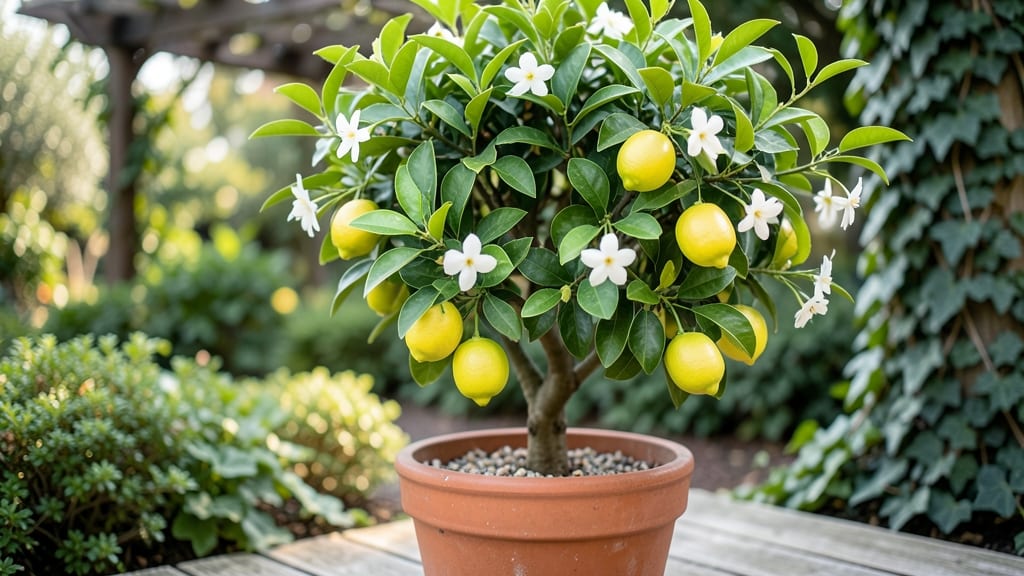
Meyer lemon tree pruning calendar for maximum growth
Your Meyer lemon tree’s vertical growth depends on precise seasonal pruning. Unlike many citrus trees, Meyer lemons respond dramatically to strategic cuts—especially when timed with their natural dormancy cycles. The key?
Prune at the right time to encourage new shoots while avoiding flowering shock, which can reduce fruit yield. This calendar aligns cuts with your tree’s biology to maximize height without sacrificing productivity.
Most gardeners make one critical mistake: pruning during active flowering (spring) or after fruit set (summer). Both timings stress the tree and divert energy away from upward growth.
Instead, focus on late winter for structural shaping and early summer for maintenance—this is when Meyer lemons recover fastest and put energy into new branches. Let’s break down the exact month-by-month schedule for your climate zone.
⚠️ NON-NEGOTIABLE: Always use sterilized pruning shears and cut at a 45-degree angle just above a leaf node. This prevents disease and encourages faster regrowth. Skip this step, and you risk stunted growth or even tree death. For container-grown trees, prune 10% of the canopy max per session to avoid shock.
Late winter is your golden window for structural pruning. When temperatures hover around 50–60°F, your Meyer lemon tree emerges from dormancy but hasn’t yet flowered. This is when you should remove up to 25% of the canopy, focusing on crossing branches and weak growth.
Cut just above a leaf node (the bump where leaves grow) to encourage new shoots. Pro tip: Look for water sprouts (thin, vertical shoots)—these are prime candidates for removal to redirect energy upward.
In Zone 6, aim to finish late-winter pruning by March 15 to avoid spring frost damage. If you’re in Zone 9–10, prune by February 15 to align with the tree’s natural cycle.
Skipping this step means missing the 6-month growth window that turns a 4-foot tree into a 6-footer by midsummer. Always sterilize tools with rubbing alcohol between cuts to prevent bacterial infections like citrus canker.
Early summer is your second pruning opportunity, but the goal shifts from structure to vertical growth stimulation. Between June 15–July 15, focus on tip pruning—snipping the top 2–3 inches of new shoots. This triggers the tree to produce lateral branches, which then grow taller.
For container-grown trees, this technique can add 12–18 inches of height in just 3 months. Just avoid pruning after July 20, or you risk late-season growth that won’t harden off before winter.
Fruit yield takes a backseat to structural integrity during late-winter pruning, but summer cuts should never remove more than 10% of the canopy. Over-pruning now leads to reduced blooms next spring. Instead, prioritize airflow by thinning dense
5 Pruning techniques to double Meyer lemon tree height in 6 months
Want your Meyer lemon tree to grow taller without losing fruit production? The secret lies in strategic pruning that redirects energy upward. By focusing on selective branch removal and tip pruning, you can trigger rapid vertical growth while maintaining a healthy canopy.
The key is timing—prune at the right moments to avoid stressing the tree during critical blooming or fruiting phases.
Most gardeners make the mistake of pruning too late in the season or removing too many branches at once. This causes growth stunting and weakens the tree's ability to support new height.
Instead, we’ll use a targeted approach that balances height goals with fruit yield. Ready to transform your stunted Meyer lemon into a towering, productive tree? Let’s dive into the techniques that work.
🌱 5 Key Pruning Techniques for Faster Growth
- Tip Pruning: Cut the top 4-6 inches of new growth to trigger lateral bud activation, which encourages upward elongation.
- Selective Branch Removal: Remove low-hanging branches to redirect energy to the central leader (main trunk).
- Thinning Out: Space branches 8-12 inches apart to improve air circulation and sunlight exposure for faster growth.
- Heading Back: Prune 1/3 of the branch length just above a leaf node to stimulate new vertical shoots.
- Structural Pruning: Shape the tree into a modified central leader form to maximize height while keeping a balanced shape.
Start with tip pruning in early spring when new shoots emerge. This technique works by removing the terminal bud, which forces the tree to grow from dormant buds below. Aim to cut just above a leaf node—this ensures new growth will sprout in the right direction.
For example, if your tree has a 3-foot central leader but sparse lower branches, prune the tips of the top 3 branches to encourage upward growth.
Avoid the common mistake of pruning too close to the trunk or removing more than 25% of the foliage at once. Over-pruning shocks the tree and can lead to reduced flowering or even dieback.
Instead, focus on selective cuts that maintain the tree’s natural shape while redirecting energy upward. Use sharp, clean pruners to make cuts at a 45-degree angle just above a bud or branch collar.
To identify if your tree is over-pruned or under-pruned, look for these signs: Yellowing leaves or sparse foliage indicate over-pruning, while dense, tangled branches with little vertical growth suggest under-pruning.
Balance is key—aim for a tree with an open canopy that lets sunlight reach the lower branches while maintaining a strong central leader.
After pruning, monitor your tree’s response over the next 6-8 weeks. Healthy new growth should appear within 3-4 weeks, signaling that the pruning was successful. Pair these techniques with balanced fertilization (high in nitrogen) and consistent watering to maximize results.
With patience and precision, you’ll see 2 feet of new height by the end of the growing season.
🌿 Ready to prune? Grab your tools and start with the tip pruning method this spring—your Meyer lemon tree’s new height will thank you!