
Propagation
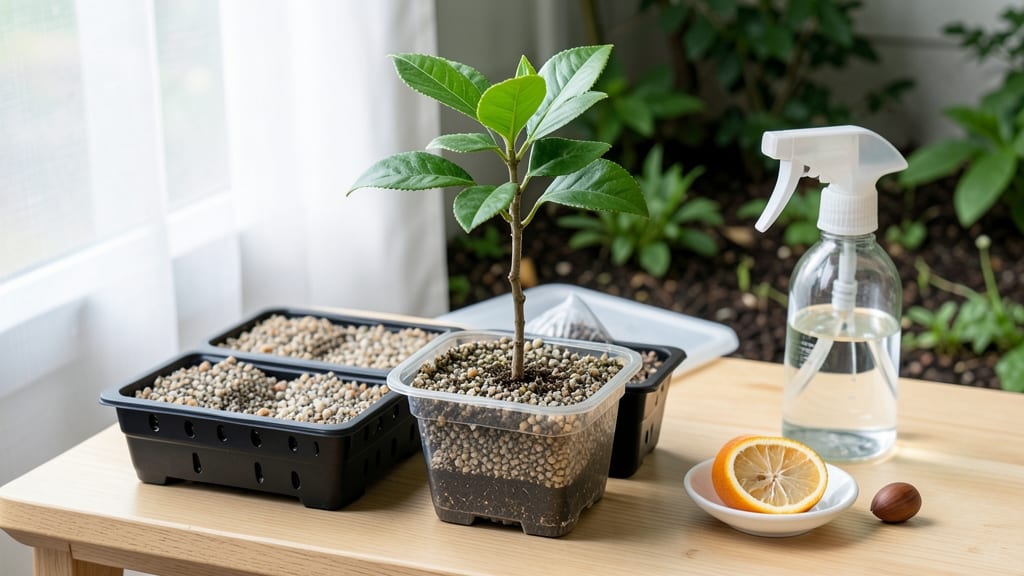
Growing a tangerine tree from seeds is like unlocking a slow-motion miracle—those first green shoots after 6 weeks of cold stratification feel like a reward for patience. 🌱 I’ve started dozens from grocery-store seeds, and while the fruit won’t match store-bought quality, the satisfaction of nurturing a citrus tree from scratch is unmatched.
The key? Mimicking winter’s chill before spring’s warmth kicks in.
You’ll need just three things: fresh seeds, a damp paper towel, and your fridge’s crisper drawer. Skip the fancy tools—this method works with what you already have. Most seeds sprout within 2-4 weeks of stratification, though some stubborn ones take longer.
That’s where the real test of commitment begins: waiting for those first leaves to unfurl.
Once sprouted, your tiny saplings will need bright light (a south-facing window or grow light) and consistent moisture—never soggy soil. Expect 12-18 months before you see flowers, and even longer for fruit. The trade-off? A tree that’s uniquely yours, with roots (literally) in your hands.
Fair warning: seed-grown tangerines rarely produce the sweet, juicy fruit of grafted trees. But the journey—watching it grow from a speck to a sunlit canopy—makes every step worthwhile. Here’s how to start yours right.
📚 In This Guide
- What you need
- Instructions
- Tips and common mistakes
- Wrapping up and next steps
What you need
- ● Tangerine seeds: 3–5 fresh, plump seeds (harvested from ripe, organic tangerines for best results).
- ● Small pots or seed trays: 3–4 (4–6 inches in diameter) with drainage holes.
- ● Well-draining potting mix: 1 bag (look for a seed-starting mix or blend with perlite/vermiculite for aeration).
- ● Plastic wrap or humidity dome: To create a mini greenhouse effect.
- ● Spray bottle: For gentle watering (avoid over-saturating seeds!).
- ● Refrigerator or cold stratification setup: A zip-top bag + moist paper towels (for the 2–4 week cold treatment).
- ● Grow lights or sunny windowsill: A south-facing spot or LED grow lights (12–16 hours/day) for seedlings.
- ○ Fertilizer (optional but helpful): A balanced citrus fertilizer (e.g., 5-5-5 NPK) or diluted fish emulsion for young plants.
- ● Heating mat ($10–$20): Speeds up germination by keeping soil warm (70–80°F).
- ● pH test kit ($5–$10): Ensures your soil is slightly acidic (6.0–7.0) for citrus.
- ● Humidity tray: Elevates pots over water to maintain moisture without soggy soil.
- ● Label markers: To track seed varieties (if testing multiple types!).
- ● Compost or worm castings: Boosts nutrient-rich soil for faster growth.
Step-by-Step instructions for growing tangerine trees from seeds
Here's how to break the citrus cycle and grow your own tangerine saplings indoors.
🌱 Step 1: Extract and Prepare the Seeds
Select 4-6 plump tangerines from your grocery store—organic, unsprayed fruit works best. Cut them in half and scoop out the seeds, removing any that feel soft or shriveled. Rinse the good seeds thoroughly under cool water to remove all pulp residue, then lay them on a paper towel to air-dry overnight. This prevents fungal issues later.
Here's the thing—citrus seeds need a cold stratification period to break dormancy. Without it, germination rates drop dramatically. I like to place the dried seeds in a small paper towel, dampen it just enough to feel slightly moist (not dripping), then fold the towel and put it in a sealed plastic bag. Store this in your refrigerator's crisper drawer for 4-6 weeks—this mimics winter conditions and tricks the seed into thinking spring has arrived.
💧 Step 2: Sow the Stratified Seeds
After cold treatment, remove the seeds and fill 4-inch diameter pots with sterile seed-starting mix (never garden soil—it's too dense and compacted). Press the mix down lightly so it's firm but not packed. Plant each seed ½ inch deep, spacing them about 2 inches apart in their pots. I use a toothpick to make small holes—it's precise and prevents damaging the seeds.
Water gently until the soil looks uniformly damp but not soggy. The key here is consistent moisture without waterlogging. Place the pots in a warm spot (70-75°F) with bright, indirect light. You'll see tiny white roots emerge within 7-14 days, followed by the first green shoot breaking through the soil. This is your signal everything's working.
☀️ Step 3: Provide Ideal Growing Conditions
Once seedlings emerge, move them to a south-facing window where they'll get 6-8 hours of sunlight daily. If your home lacks sufficient light, supplement with a grow light kept 4-6 inches above the plants. You'll notice leggy growth if the light's too far away—thin, pale stems reaching toward the window. Strong seedlings have thick stems and dark green leaves spaced closely together.
Water when the top inch of soil feels dry to the touch. I use a spray bottle for the first few weeks to avoid disturbing the delicate roots. Keep the pots in a humid environment by placing them on a tray filled with pebbles and water—this prevents the leaves from drying out and curling. Rotate the pots a quarter turn weekly so the seedlings grow straight instead of leaning toward the light.
✂️ Step 4: Prune and Transplant Saplings
When seedlings reach 6 inches tall, they'll need their first pruning. Pinch off the top set of leaves to encourage bushier growth. This might seem counterintuitive, but it forces the plant to develop multiple stems instead of one long, weak one. You'll see new side shoots emerge within 2-3 weeks—this is your reward for the pinch.
After 8-12 weeks, when the saplings have 4-6 true leaves, it's time to transplant them into individual 6-inch pots. Use the same sterile potting mix and handle the roots gently to avoid damage. Water thoroughly after transplanting, then place the pots in a sheltered outdoor spot for 2-3 hours daily to acclimate. Gradually increase their outdoor time over 10-14 days before leaving them outside permanently.
🌿 Step 5: Maintain Through First Season
By this point, your tangerine saplings are ready for year-round outdoor life in USDA Zones 9-11. In colder climates, bring them indoors before temperatures drop below 40°F. Fertilize lightly every 6-8 weeks with a balanced citrus fertilizer (like 6-6-6) to encourage healthy growth. You'll know they're thriving when they produce small white flowers in their second or third year—though fruit may take 4-5 years to appear.
Real talk: These saplings won't produce fruit like their parent tree, but they'll grow into beautiful, fragrant citrus trees with glossy leaves. The real magic happens when you graft a known variety onto your seedling later—then you'll get those sweet tangerines you crave. For now, enjoy watching them grow into sturdy, leafy bushes that bring a taste of sunshine indoors.
Tips & tricks for growing tangerine trees from seeds
Citrus saplings reward patience—here's how to maximize your success with these game-changing techniques.
Cold Stratification Secret: The 4-6 week cold stratification in Step 1 is non-negotiable for citrus seeds. I've seen germination rates drop from 80% to under 20% when skipping this step. For extra insurance, place a damp paper towel with seeds in a sealed bag and store it in the refrigerator's crisper drawer—this creates the perfect winter mimic. The key is maintaining that slightly moist (not soggy) environment throughout the entire period.
Seed Selection Matters: When choosing tangerines in Step 1, opt for organic, unsprayed fruit from the grocery store—they tend to have healthier seeds. Avoid seeds that feel soft or shriveled, as these won't germinate. Pro tip: Store your selected tangerines in the refrigerator for 2-3 days before extracting seeds—this helps the seeds dry more evenly overnight on the paper towel.
Lighting Strategy: For Step 3, that 6-8 hours of sunlight is crucial but tricky in winter months. If your south-facing window isn't sufficient, invest in a basic LED grow light that you can keep 4-6 inches above the seedlings. I've found that rotating the pots a quarter turn weekly prevents the seedlings from growing lopsided toward the light source, resulting in stronger stems.
Transplanting Timing: The 8-12 week window for transplanting in Step 4 is perfect for developing strong root systems. When you notice the saplings have 4-6 true leaves (not counting the initial seed leaves), that's your cue. Handle the roots gently during transplanting—any damage can set back growth by weeks. Water thoroughly after transplanting to help settle the soil around the roots.
Pro Tips for Grow Tangerine Tree From Seeds
- Citrus saplings reward patience—here's how to maximize your success with these game-changing techniques.
- Cold Stratification Secret: The 4-6 week cold stratification in Step 1 is non-negotiable for citrus seeds. I've seen ...
- Seed Selection Matters: When choosing tangerines in Step 1, opt for organic, unsprayed fruit from the grocery store—t...
Frequently asked questions
Got questions about growing your own tangerine tree from seeds? You’re not alone! Here are some of the most common queries—and straightforward answers—to help you navigate the process like a pro.
How long does it take for a tangerine seed to sprout?
With proper cold stratification (4–6 weeks in the fridge), most tangerine seeds sprout within 1–3 weeks after planting. Keep the soil consistently moist and warm (70–80°F) to speed up germination. Patience is key—some seeds may take up to a month!
Do I really need cold stratification for tangerine seeds?
Yes! Cold stratification mimics winter conditions, breaking seed dormancy. Without it, germination rates drop dramatically. Simply place damp seeds in a sealed bag with moist peat moss or paper towels, then refrigerate for 4–6 weeks before planting.
Can I grow a tangerine tree indoors?
Start seeds indoors in pots with drainage holes, using a sunny windowsill or grow lights (12+ hours/day). Move seedlings outdoors only after the last frost and when they’re at least 6 inches tall. Just ensure they get 6+ hours of sunlight daily to thrive.
Will my seed-grown tangerine tree produce fruit?
Seed-grown trees may take 5–10 years to bear fruit (vs. 2–3 years for grafted trees). Plus, fruit quality varies—seeds often produce different varieties than the parent tree. For faster, predictable fruit, consider grafting later or buying a young grafted tree.
Why are my seedling leaves turning yellow or falling off?
Yellowing leaves (chlorosis) usually mean overwatering, poor drainage, or nutrient deficiency. Let the top inch of soil dry out between waterings, and use a balanced citrus fertilizer (like 8-8-8) every 4–6 weeks. Pests like aphids or fungus gnats can also cause stress—inspect leaves and treat early if needed.
What’s the best temperature for growing tangerine seedlings?
Seedlings thrive in 65–85°F during the day and 55–65°F at night. Avoid cold drafts (<40°F) or heat stress (>90°F), which can stunt growth. If your climate dips below freezing, wait until spring to transplant outdoors or grow in containers you can move indoors.
Wrapping up and next steps
Growing a tangerine tree from seed is a rewarding journey that combines patience, care, and a touch of citrus magic! 🌱 By following these steps—from cold stratification to transplanting—you’ll soon have a thriving sapling that could one day bear sweet, juicy fruit. Don’t let setbacks discourage you: even if some seeds don’t sprout, each step teaches you more about nurturing life.
Now that you’re armed with knowledge, take the next step! Start with just a few seeds, experiment with your setup, and watch your little tangerine tree grow. Who knows? You might just grow more than a plant—you could cultivate a hobby (or even a future orchard!). Happy planting! 🌟