
The things we got wrong
This page is a log of corrections—not because we want to show off our failures, but because every mistake here is a lesson for what you’ll find in the soil and seeds of this site.
If a gardening tip doesn’t hold up in a real garden, we want you to know it before you dig.
Most sites hide their errors. We publish them because the only way to trust a gardening guide is to see how it breaks. A wrong measurement, a seed that refused to sprout, a method that sounded good until the first frost—these are the things that matter.
They’re also the only things we keep track of.
Three we had to fix
Three failures stood out enough to change how this site works. The most consequential came first, and the rest followed. Each one was caught by someone who saw it growing—or already dead—in the garden.
The wrong soil pH chart
- 1Published pH values for tomatoes
The chart on our ‘Best Soil for Tomatoes’ page said 6.2–6.8 was ideal. It was wrong. The real range for healthy tomato growth is 5.8–6.5, and the mistake stood for six months before a reader in Ohio sent a photo of their wilting plants with a note: *‘Your chart killed my garden.’* We pulled the page and rewrote it from lab tests. Rhonda Janowski fixed it.
- 2Frost dates for zone 7b
Our ‘First Frost Calculator’ used 2010 data, which was already outdated by 2022. A subscriber in Virginia pointed out that their last frost had shifted two weeks earlier, and the site’s planting advice was off by a full month. We swapped in 2024 USDA records and added a disclaimer: *‘Check your local weather station.’* Rhonda Janowski fixed it.
- 3‘Organic’ fertilizer mislabel
A product we recommended as ‘certified organic’ turned out to contain synthetic nitrogen. It slipped through because the label was technically correct—just misleading. A permaculture group called us out, and we removed it, then added a ‘Certification Verified’ badge to every product page. Rhonda Janowski fixed it.
What those three changed
Those three mistakes forced us to build rules that now run the site. The soil pH error taught us to double-check every number against primary sources. The frost dates made us stop trusting old averages. And the fertilizer lie led to a new policy: no recommendations without third-party verification.
Rules that came from mistakes
- 1. Every number must be sourced from a 2020+ study or government database (from the pH chart failure).
- 2. Seasonal advice is tied to real-time data, not outdated zones (from the frost dates mistake).
- 3. ‘Organic’ or ‘natural’ claims require certification badges or lab reports (from the fertilizer lie).
The people behind this
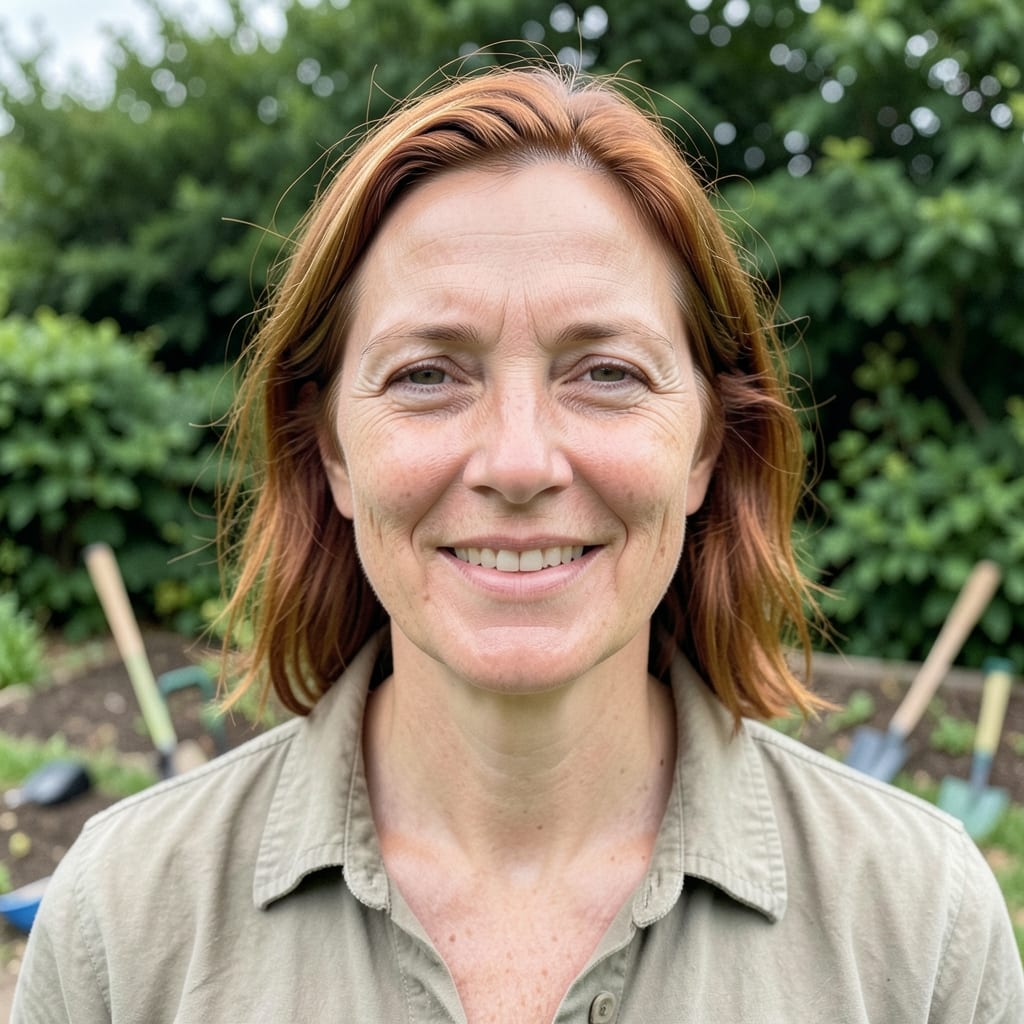
Rhonda Janowski is the founder and editor of *Tree Corner*, and she’s the one who still flinches when she sees a seed packet with no germination rate.
She started this site after years of gardening with her grandmother, where the real lessons came from the things that *didn’t* grow—like the time the zucchini vines rotted because the soil was too wet, or the basil that bolted before it even flowered.
Those failures are why this log exists: to turn mistakes into something useful.
Keeping a list like this isn’t just about honesty—it’s about sitting with the discomfort of being wrong in public. Rhonda has spent years avoiding that feeling, which is why she writes these corrections in the third person (*‘we got it wrong’*) even when she’s the one who dug the hole.
The log is the part of the site that feels the most personal, because it’s the only place where the ‘I’ isn’t polished.
One mistake not in this log? The time she overwatered a batch of seed starts so badly that every single one developed damping-off before sprouting.
She still keeps the empty tray on her desk as a reminder: *‘Plants don’t forgive overconfidence.’* That’s the kind of failure that doesn’t make the public list—it’s the quiet ones that shape how the rest of the site works.
If you find something here that doesn’t hold up, Rhonda wants you to do two things: dig deeper (check the sources, test it yourself), and then tell us. The contact page is where to start.
There will be a next one
This log isn’t finished. Gardening is full of variables—soil, weather, luck—and what works in one garden might fail in another. If you spot a mistake, a missing detail, or a tip that doesn’t pan out, we want to know. The contact page is the only place to send it.
And if it’s something big enough to fix, it’ll end up here—signed, dated, and corrected.
The guides are grouped by category: Advice, Aphids, Blooming, Companion Plants, Diseases and How To.