
Pruning
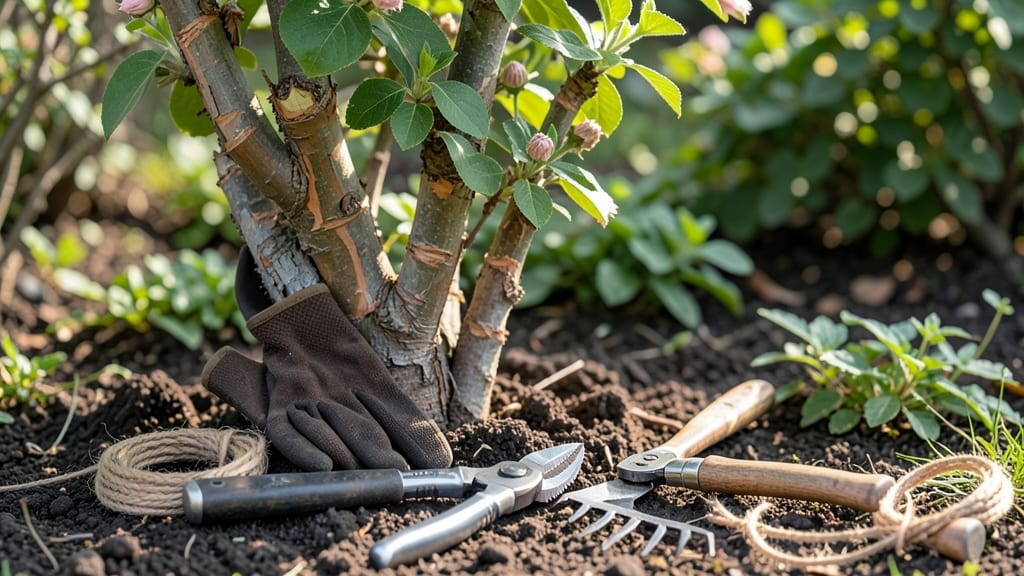
Pruning ninebark tree transforms it from a wild shrub into a showstopping landscape feature. ✂️ I’ve pruned mine every year, and the difference in dense foliage and abundant blooms is shocking—once you know the right cuts to make.
The best time is late winter to early spring, when dormant buds are visible but before new growth starts. You’ll remove dead wood first, then shape by cutting just above outward-facing buds. For older shrubs, rejuvenation pruning in stages keeps them healthy without shock.
After pruning, your ninebark will burst with vibrant green leaves and clusters of pink-white flowers by summer. The key is patience—never cut more than one-third of the plant at once, or you’ll stress it. Works for both formal hedges and naturalistic plantings.
Here’s how to do it right without over-pruning or sacrificing blooms.
📚 In This Guide
- What you need
- Instructions
- Tips and common mistakes
- Wrapping up and next steps
What you need
- ● Pruning shears: Bypass pruners (sharp, 6–8 inch blades) for small branches.
- ● Loppers: 1 pair (18–24 inch) for medium branches (½–1½ inch diameter).
- ● Pruning saw: 1 curved-tooth saw for thick branches (1½+ inch diameter).
- ● Gloves: Heavy-duty, cut-resistant gloves (1 pair) for safety.
- ● Disinfectant: 70% isopropyl alcohol or a 10% bleach solution (1 small bottle) to sterilize tools.
- ○ Pruning sealant: Optional but helpful for larger cuts (e.g., tree wound paint).
- ● Ladder or step stool: Sturdy, extendable (if tree is over 6 feet tall).
- ● Heavy-duty trash bags: 2–3 bags (13-gallon size) for debris cleanup.
- ● Tarp or drop cloth: 1 large tarp to protect ground/lawn.
- ● Weather check: Prune on a dry, calm day (avoid wind or rain).
- ● Safety glasses: 1 pair to protect eyes from debris.
- ● Long sleeves/pants: Wear protective clothing to avoid scratches.
- ● First-aid kit: Basic kit for minor cuts or scrapes.
- ● Water & snacks: Stay hydrated—pruning can be a workout!
Step-by-Step instructions for pruning your ninebark tree
Here's how to keep your ninebark looking vibrant year-round with simple, effective pruning.
✂️ Step 1: Prune in Late Winter or Early Spring
Start your pruning in late February through March, just as new growth begins but before buds swell. This timing ensures you remove dead wood while stimulating fresh, healthy blooms for the season. Ninebark blooms on old wood, so avoid heavy pruning in fall or winter—you’ll cut off next year’s flowers.
Grab your pruners and scan the tree for branches that are dead, diseased, or crossing. Cut these back to the main trunk or to a healthy bud. I like to make my cuts at a 45-degree angle, about ¼ inch above an outward-facing bud. This encourages new growth to shoot out rather than inward.
🌿 Step 2: Thin and Shape the Canopy
Next, focus on thinning the canopy to improve airflow and light penetration. Remove 10-20% of the oldest stems at the base to rejuvenate the tree. These are the thicker branches near the ground that may be woody and less productive. Cut them back to the ground or to a strong lateral branch.
For shaping, step back and visualize the tree’s natural form. Ninebark has a loose, airy habit, so avoid over-trimming. Instead, selectively prune branches that are rubbing against each other or growing too close together. You’ll see a more open, balanced shape within a few weeks as new growth fills in.
☀️ Step 3: Light Summer Pruning for Bloom Revival
After the spring bloom, do a light pruning in June or July to encourage a second flush of flowers. Remove any spent blooms or leggy growth that’s detracting from the tree’s shape. Cut just above a leaf node or bud to promote new shoots.
This is also the time to check for any diseased or pest-damaged branches. If you spot yellowing leaves, blackened stems, or sawdust-like frass (a sign of borers), prune those areas immediately and sterilize your tools with rubbing alcohol. Ninebark is generally tough, but early intervention prevents bigger issues.
⏰ Step 4: Fall Cleanup and Winter Prep
In late fall, do a final cleanup by removing any dead leaves, twigs, or debris from the base of the tree. This reduces overwintering pests and diseases. Avoid heavy pruning now—it stresses the tree before winter dormancy.
If your ninebark has become overgrown, you can do a rejuvenation pruning in stages over 2-3 years. Each year, cut back ⅓ of the oldest stems
Tips & tricks for perfect ninebark pruning
Here’s what I’ve learned after years of shaping ninebarks—these tricks keep your tree thriving without stressing it.
Timing is Everything: The late February through March window in Step 1 is non-negotiable for ninebark. Cold snaps can still occur, so prune on a day above freezing (32°F) to avoid shocking the tree. If you miss this window, wait until buds swell—never prune after blooms appear, or you’ll sacrifice next year’s flowers. I’ve seen ninebarks bloom twice in a season when summer pruning in June or July is done right, but only if you remove spent blooms promptly.
The Angle Matters: When making cuts in Step 1, that 45-degree angle above an outward-facing bud isn’t just aesthetic—it’s how you direct new growth. Cut too close to the bud, and new shoots may grow inward, creating a dense center. Too far away, and you leave a stub that can rot. Practice on a few branches first if you’re unsure. I keep a small ruler in my tool belt to measure that ¼-inch distance precisely.
Thinning vs. Topping: The 10-20% rule in Step 2 isn’t arbitrary—it’s about balance. Removing too many stems at once stresses the tree, while too few won’t improve airflow. Focus on the oldest stems at the base first; these are the least productive. For shaping, step back every few cuts to visualize the tree’s natural form. Ninebark’s loose habit means you’re not creating a formal hedge—think “airy” over “manicured.”
Disease Prevention: After pruning, sterilize your tools with rubbing alcohol between cuts in Step 3, especially if you’ve spotted pests. I keep a small spray bottle of 70% isopropyl alcohol in my pruning kit. Also, collect and dispose of diseased branches immediately—never leave them on the ground where spores can spread. For overgrown trees, spread that rejuvenation pruning over 3 years (⅓ of oldest stems each year) to avoid shocking the tree completely.
Pro Tips for Ninebark Tree Pruning
- Here’s what I’ve learned after years of shaping ninebarks—these tricks keep your tree thriving without stressing it.
- Timing is Everything: The late February through March window in Step 1 is non-negotiable for ninebark. Cold snaps can...
- The Angle Matters: When making cuts in Step 1, that 45-degree angle above an outward-facing bud isn’t just aesthetic—...
Frequently asked questions
Got questions about keeping your ninebark tree looking its best? You’re not alone—pruning can feel tricky, especially when you want to balance blooms, shape, and health. Here are answers to the most common queries to help you prune with confidence!
When is the best time to prune a ninebark tree?
Prune your ninebark twice a year for optimal results: late winter/early spring (before new growth) and summer after blooming. Avoid heavy pruning in fall—it can stimulate tender growth vulnerable to frost. Light shaping in summer keeps it tidy without sacrificing next year’s flowers!
How much can I trim back my ninebark?
Ninebarks are tough! You can safely remove up to one-third of the plant’s height in a single season, but avoid cutting into old wood (woody stems >3 years old). For rejuvenation, prune back one-third of the oldest stems to the ground every 3 years to encourage new growth and vibrant foliage.
Why are my ninebark leaves turning brown after pruning?
Brown leaves post-pruning usually mean stress or disease. Check for:
- Over-pruning (too aggressive cuts)
- Fungal issues (like powdery mildew—prune in dry weather)
- Underwatering (ninebarks need 1–1.5 inches of water weekly)
Will pruning my ninebark reduce next year’s flowers?
Not if done right! Ninebarks bloom on new wood, so pruning after flowering (late spring/early summer) won’t hurt blooms. However, avoid heavy cuts in fall or winter—this removes next year’s flower buds. Light shaping in summer keeps the plant healthy and floriferous!
Can I shape my ninebark into a hedge or topiary?
Ninebarks handle formal shaping well, especially if pruned frequently (every 4–6 weeks) during the growing season. Use hand pruners or hedge shears for clean cuts, and fertilize lightly after shaping to support new growth. Just remember: thin out interior branches to prevent congestion.
Pro Tip: Mark your calendar!
Set reminders for February/March (dormant pruning) and June/July (post-bloom shaping). A little planning goes a long way in keeping your ninebark lush, blooming, and picture-perfect all year!
Wrapping up and next steps
Pruning your ninebark tree doesn’t have to be intimidating—it’s all about timing, technique, and a little patience! 🌿 With the right tools and seasonal care, you’ll keep your tree lush, blooming, and full of life.
Whether you’re shaping it for aesthetics or encouraging vibrant flowers, consistent maintenance is the key to long-term success.
Ready to give your ninebark the TLC it deserves? Grab your pruners, mark your calendar, and start with a fresh cut—your tree (and your garden!) will thank you. 🌸 Next, explore our seasonal pruning checklist to stay on track year-round!