
Plants
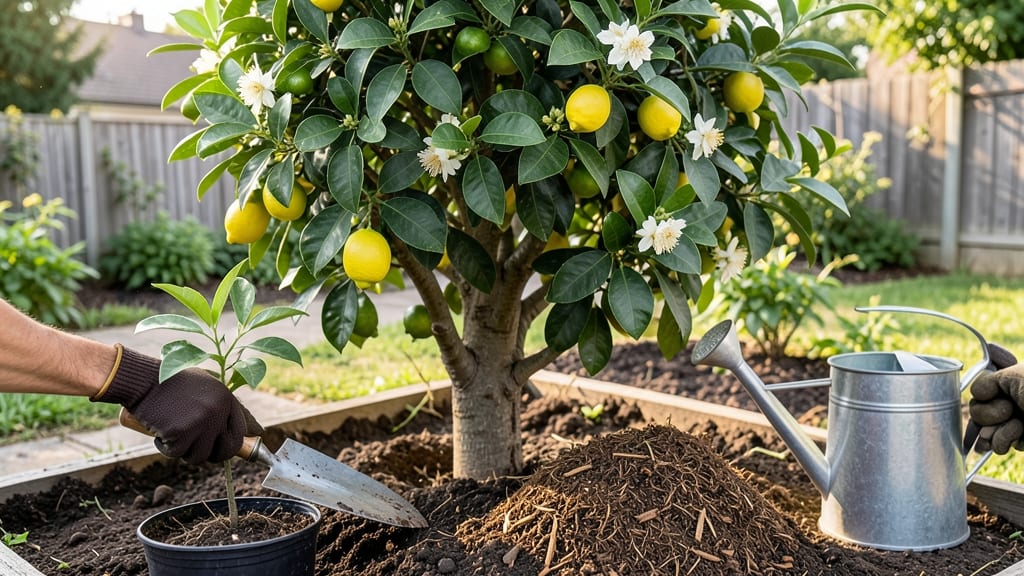
Planting a lemon tree 🍋 in the ground at the right time ensures strong roots and bountiful fruit—here’s the exact window for your climate zone.
Timing your lemon tree planting perfectly can mean the difference between a thriving citrus grove and a struggling sapling. In USDA Zone 6a, like many northern regions, the April-May window after the last frost is your best bet—but tropical zones can plant year-round.
Soil temperature matters just as much as the calendar. Lemon trees need the ground to warm to at least 60°F before going in, or their roots will languish. I’ll break down the best months by zone, plus how to prep your tree for transplanting so it takes off running.
Ready to dig in? You’ll learn how to check for frost risk, adjust timing for cold snaps, and spot the signs your lemon tree is finally ready for the ground.
Best planting months for lemon trees by USDA hardiness zones
Planting your lemon tree at the right time ensures strong root establishment and fruit production. In USDA zones 9-11, warm climates allow year-round planting, while zones 8 and below require careful timing to avoid frost damage.
The key is understanding your last frost date and soil temperatures—both critical for citrus success.
For zones 9-11, the ideal window spans spring through early fall, with peak months being March-May and September-November. In contrast, gardeners in zones 8 and colder should wait until after the last frost, typically May-June, when soil temperatures stay above 60°F (15°C) consistently.
| USDA Zone | Best Planting Months | Soil Temp Requirement | Frost Protection Needed | Notes |
|---|---|---|---|---|
| Zones 9-11 | Year-round (best: Mar-May, Sep-Nov) | 60°F+ (15°C+) | No | Tropical climates; minimal frost risk |
| Zones 8-7 | May-June (after last frost) | 60°F+ (15°C+) | Yes (mulch, containers) | Wait until soil warms; protect from frost |
| Zones 6-5 | June-July (container only) | 65°F+ (18°C+) | Yes (move indoors in winter) | Grow in pots; bring inside for winter |
| Zones 4-3 | Late spring (May-June, indoor start) | 70°F+ (21°C+) | Yes (greenhouse or indoor) | Not recommended outdoors; high-risk zone |
In zones 9-11, where frost is rare, you can plant a lemon tree almost anytime. However, spring (March-May) is ideal because it aligns with natural rainfall and warmer soil. For fall planting (September-November), ensure temperatures stay above 55°F (13°C) to prevent root shock.
For zones 8 and below, timing is critical. Use your local last frost date as a guide—plant 4-6 weeks after the average date when temperatures consistently stay above 60°F (15°C). Check soil temperature with a soil thermometer; roots won’t establish well in cooler soils.
If you’re in zone 7 or colder, consider container growing to move your tree indoors during winter. This flexibility lets you plant in late spring (May-June) when outdoor conditions are safest, then transition the pot to a sunny indoor spot before the first frost.
Pro tip: Dwarf varieties like 'Meyer' lemons adapt better to cooler zones. They thrive in containers and can be overwintered indoors, making them perfect for zones 6-8. Always choose citrus-specific soil with good drainage to prevent root rot, a common issue in heavy or waterlogged soils.
Before planting, amend your soil with compost or citrus fertilizer to ensure a pH of 6.0-7.0. Lemon trees are sensitive to alkaline soils, so test your soil and adjust with sulfur if needed. A well-prepared planting site sets the stage for years of lemon harvests.
Remember, young trees are most vulnerable to temperature swings. In zones 8 and below, use mulch (straw or wood chips) to insulate roots and protect against late-season frosts. For extra safety, wrap the tree trunk with burlap during cold snaps.
🌱 Whether you're in a tropical paradise or a cooler climate, planting your lemon tree at the right time maximizes its chances of thriving. Pay attention to soil temps, frost dates, and microclimates—your future harvest depends on it!
How to adjust planting timing for cold climates (zones 8 and below)
Growing a lemon tree in zones 8 and below requires creative timing to protect it from frost damage and early cold snaps. Unlike tropical zones, your citrus tree needs extra care to survive winter.
The key is planting at the right time and using season-extension techniques to give it a fighting chance.
In colder climates, the ideal planting window shifts to late spring—after your last expected frost date. For example, in zone 7, this is typically mid-May, while zone 8 gardeners can plant as early as April. Always check your local frost calendar to avoid planting too soon.
Timing isn't just about the calendar—it's also about soil temperature. Lemon trees thrive when soil is at least 60°F (15°C). Use a soil thermometer to confirm before planting. If temperatures are cooler, delay until conditions improve.
⚠️ WARNING: Planting Too Early in Cold Climates ⚠️
One of the best strategies for cold climates is container growing. Plant your lemon tree in a large pot (15+ gallons) and move it indoors or to a protected garage when temperatures drop below 40°F (4°C).
This gives you flexibility to adjust planting timing and protect roots from freezing.
For in-ground planting, focus on microclimates—areas that stay warmer than the surrounding landscape. South-facing walls, sunny slopes, or greenhouse setups can add 5-10°F of warmth. Combine this with mulching (4-6 inches of straw or wood chips) to insulate roots and retain heat.
Use frost protection tools like row covers, burlap wraps, or even Christmas lights (strung around the trunk) to add 5-10°F of warmth during cold snaps. Start protecting your tree when nighttime temps drop below 50°F (10°C) to prevent leaf burn and bud damage.