
Pruning
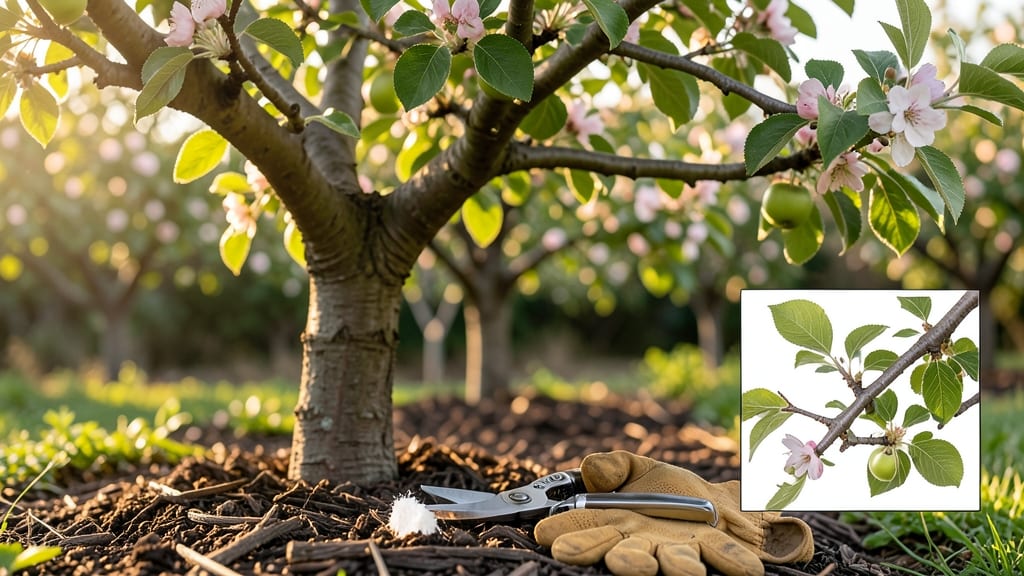
Trimming apple tree branches at the right time is the secret to stronger growth and bigger harvests—and the best window is late winter, when your 🍎 tree is dormant but ready to wake up.
Picture this: You’ve just finished pruning, only to watch your tree struggle through spring with weak branches or no fruit. That’s what happens when you trim too late—or too early.
The key is catching your tree in that sweet spot between dormancy and bud swell, when it’s primed for healing and new growth.
In most climates, that means February or March, but the exact timing depends on your USDA Zone and whether you’ve had a harsh winter.
A few degrees too cold, and you risk damaging tender buds; wait too long, and you’ll miss the chance to shape your tree for next year’s apples.
Below, I’ll walk you through the exact steps to time your cuts, spot the signs your tree is ready, and avoid the 5 biggest mistakes that turn pruning day into a setback. Let’s get started.
Best late winter timing for apple tree pruning (with exact month guidelines)
Pruning your apple tree during late winter is one of the most important tasks for promoting healthy growth and fruit production. The ideal window occurs when the tree is still dormant but just before new buds swell.
This timing minimizes disease risk and sap loss, setting the stage for vigorous spring growth.
Most gardeners in USDA Zones 5-8 should aim to prune between mid-February and early March. However, the exact timing depends on your local climate and frost patterns.
For example, in colder northern regions, you might wait until late March to avoid late-season frosts, while milder southern climates can start as early as January.
Here’s how to determine the perfect moment: Check for bud swelling—when buds begin to plump up but haven’t yet burst open. This typically happens 2-4 weeks before last frost.
Pruning too early risks exposing fresh cuts to harsh cold, while waiting too long can stimulate early sap flow, increasing disease vulnerability.
| Climate Zone | Ideal Pruning Window | Key Indicator | Avoid Pruning If |
|---|---|---|---|
| Cold Zones (3-5) | Late March to early April | Bud swelling begins | Frost predicted within 1 week |
| Temperate Zones (6-8) | Mid-February to March | Dormant buds visible | Bud break imminent |
| Mild Zones (9-11) | January to early February | No frost for 2+ weeks | Active sap flow detected |
| All Zones | Before leaf buds swell | Clear, dry weather | Wet or windy conditions |
In Zone 6a, where average last frost dates fall around mid-April, I recommend pruning between February 15 and March 15. This window balances dormancy with the need to avoid late frosts.
For example, if you’re in Iowa or Wisconsin, aim for early March when daytime temperatures consistently reach 40°F (4°C).
If you’re unsure about your local frost dates, use a frost calendar from your state’s agricultural extension service. These resources provide hyper-localized data that accounts for microclimates.
For instance, urban areas often experience warmer microclimates than rural zones, meaning you might prune 1-2 weeks earlier in cities like Chicago or Denver.
One critical mistake is pruning after bud break, which stimulates rapid sap flow and makes the tree vulnerable to bacterial infections like fire blight. Always inspect your tree for swollen buds before reaching for your pruners. If buds are already green or sticky, you’ve waited too long.
For young apple trees (under 5 years old), focus on structural pruning to establish a strong framework. Older trees benefit from renewal pruning, where you remove older wood to encourage new growth. In both cases, prune during the late winter dormancy period to maximize energy reserves for spring.
After pruning, sterilize your tools with rubbing alcohol to prevent disease spread. Seal larger cuts with pruning sealant if your climate is particularly dry, but avoid sealing cuts in humid areas, as this can trap moisture and promote rot.
Finish by mulching around the base to retain moisture and regulate soil temperature.
Timing your pruning correctly ensures your apple tree enters the growing season strong, with better air circulation, more sunlight penetration, and healthier fruit production. Mark your calendar now—your tree’s future harvest depends on it! 🍏✂️
Critical pruning mistakes to avoid in late winter (and how to fix them)
Late winter is the prime time to prune your apple tree, but common mistakes can harm growth and fruit production. One frequent error is pruning too late—waiting until buds swell or sap flows heavily stresses the tree.
Another is ignoring dead or diseased branches, which spreads pathogens and weakens the tree's defenses.
Many gardeners also make the mistake of cutting at the wrong angle or leaving stubs, which invites disease and slows healing. Over-pruning—removing more than 25% of the canopy—can stunt growth and reduce next year's fruit yield. Let's tackle these issues with practical fixes to keep your tree thriving.
⚠️ URGENT FIX: Frost-Damaged Branches
If your apple tree branches show signs of frost damage (brown, brittle, or cracked bark), act fast! Remove damaged sections immediately using sterilized pruners. Cut 6 inches below the damage to healthy wood. Seal larger cuts with pruning sealant to prevent disease entry.
🌱 Pro Tip: Sterilize tools with rubbing alcohol to avoid spreading fungal spores.
Another critical mistake is pruning in wet weather, which can spread fungal spores like apple scab or powdery mildew. Always choose dry, calm days for pruning to minimize disease risk.
If you’ve already pruned in wet conditions, inspect cuts for signs of infection and treat with a copper fungicide as a precaution.
Many gardeners also fail to thin out crossing branches, which creates rubbing wounds and invites decay. Use a 3-point cut technique: First, make an undercut, then a top cut, and finally remove the branch.
This prevents tearing and promotes faster healing. Focus on branches growing inward or rubbing against others to open the canopy for better airflow and sunlight.
Finally, avoid the temptation to prune for aesthetics over function. Remove only dead wood, water sprouts, and suckers—never more than 25% of the canopy in one season.
For young apple trees, prioritize shaping the structure early to avoid heavy pruning later. Always step back and visualize how each cut improves airflow and sunlight penetration.
By correcting these common mistakes, your apple tree will enter spring stronger, with fewer diseases and better fruit production. Start with the most urgent fixes—like removing frost-damaged branches—and work methodically to shape your tree for long-term health. Happy pruning! ✂️🍎