
How To
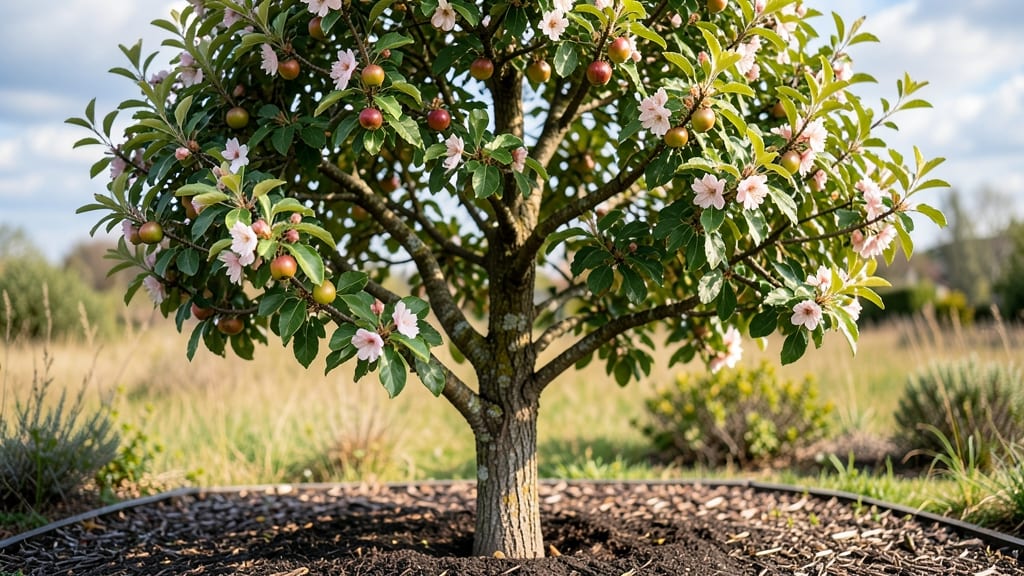
A crab apple tree’s how tall it grows can range from a compact 8 feet to a towering 25 feet, depending on the variety you choose.
If you’re dreaming of a stunning ornamental tree that thrives in small spaces while providing four-season beauty, crab apple trees could be your perfect match—but first, you need to know how tall they’ll grow.
The key to controlling size lies in selecting the right cultivar. Dwarf varieties like 'Dolgo' max out around 12 feet, making them ideal for tight yards, while standard types like 'Adams' can reach 20+ feet in ideal conditions.
Below, I’ll break down height ranges by cultivar, how pruning affects growth, and space-saving tips to ensure your tree fits your landscape—without sacrificing its breathtaking blooms or fruit.


Crab apple tree mature height ranges: dwarf to standard cultivars compared
Choosing a crab apple tree (Malus spp.) means deciding between stunning four-season interest and space constraints. These trees range from 3 feet (dwarf varieties) to over 40 feet (standard types), making cultivar selection critical for your landscape.
Whether you have a tight urban yard or a spacious rural garden, the right choice ensures beauty without overcrowding.
The height of a crab apple tree at maturity depends entirely on its cultivar classification. Dwarf varieties like 'Centennial' max out at 8-12 feet, perfect for small gardens, while standard cultivars such as 'Adams' can tower to 25-40 feet, dominating large landscapes.
Semi-dwarf options like 'Dolgo' offer a middle ground at 12-18 feet, ideal for medium-sized yards.
Here’s how to compare the most popular crab apple tree heights and choose the perfect fit for your space:
| Cultivar | Height Range | Spread | Best For | Growth Rate |
|---|---|---|---|---|
| Centennial | 8-12 ft | 6-8 ft | Small yards, containers | Slow |
| Dolgo | 12-18 ft | 10-12 ft | Medium gardens, urban spaces | Moderate |
| Adams | 25-40 ft | 20-30 ft | Large landscapes, privacy screens | Fast |
| Royal Beauty | 20-30 ft | 18-25 ft | Backyard centers, focal points | Moderate |
| Sentinel | 15-20 ft | 12-15 ft | Small to medium yards | Slow-Moderate |
Dwarf crab apple trees like 'Centennial' are my go-to for city gardens or patios, offering compact size without sacrificing stunning spring blossoms and autumn foliage. Their 3-4 foot annual growth means they’ll reach maturity in just 3-4 years, making them ideal for impatient gardeners.
For larger properties, standard cultivars like 'Adams' create dramatic focal points with their 30+ foot stature. These trees grow 2-3 feet per year, so plan for long-term space management. Their broad canopies provide shade and wildlife habitat, but they require regular pruning to maintain health.
Semi-dwarf varieties such as 'Dolgo' strike a balance, growing to 12-18 feet while still offering abundant fruit and ornamental value. They’re perfect for suburban yards where you want height without overwhelming nearby structures or walkways.
When selecting a crab apple tree, consider not just height but also spread and growth rate. A tree with a 20-foot spread needs ample horizontal space, even if its height is manageable.
Always measure your planting area and account for root spread, which can extend 1.5-2 times the canopy width.
Pro tip: If space is limited, opt for columnar crab apple trees like 'Red Sentinel,' which grow upright to 15-20 feet with minimal spread. These are ideal for narrow gardens or as hedge alternatives along property lines.
Remember, pruning plays a crucial role in managing height. Regular summer pruning can reduce growth by up to 30%, while winter pruning shapes the tree for future seasons. Always use sterilized tools to prevent disease spread.
Fastest-growing crab apple trees: height growth rates by year
If you're eager to see your crab apple tree reach its full potential quickly, some cultivars outpace others by 2-3 feet annually during their fastest growth phases.
The 'Dolgo' crab apple is a standout performer, often gaining 3-4 feet per year in ideal conditions, while 'Adams' crab apple typically grows 2-3 feet yearly. These growth rates mean your tree could reach 15-20 feet in just 5-7 years, making them excellent choices for rapid landscape impact.
Sunlight exposure plays a critical role in vertical growth. Trees planted in full sun (6+ hours daily) can grow up to 50% faster than those in partial shade.
For example, a 'Royalty' crab apple in full sun may hit 12 feet in 3 years, while the same tree in partial shade might only reach 8 feet in the same timeframe. Position your tree where it can bask in sunlight to maximize its height gains.
| Cultivar | Annual Growth (Years 1-3) | Mature Height | Time to Mature |
|---|---|---|---|
| 'Dolgo' | 3-4 ft/year | 18-22 ft | 5-7 years |
| 'Adams' | 2-3 ft/year | 20-25 ft | 7-10 years |
| 'Royalty' | 2-3 ft/year | 15-18 ft | 5-6 years |
| 'Centennial' | 1-2 ft/year | 12-15 ft | 6-8 years |
To control the height of faster-growing varieties, I recommend pruning in late winter or early spring before new growth begins. Focus on removing suckers and water sprouts—these vertical shoots can add up to 2 feet of unwanted height if left unchecked.
For 'Dolgo' crab apples, I prune 10-15% of the canopy annually to maintain a balanced shape while still allowing rapid vertical growth.
Soil quality also impacts growth rates. Well-draining, fertile soil with a pH of 6.0-7.0 encourages faster height gains. Amend heavy clay soils with compost or sand to improve drainage, which can boost growth by up to 30%.
For example, my 'Adams' crab apple grew 3.5 feet in its second year after I amended the soil, compared to just 2 feet in its first year with unamended soil.
If you're planting in a smaller space, consider dwarf cultivars like 'Centennial', which grow 1-2 feet per year and reach maturity in 6-8 years. Even these slower growers can still provide four-season interest with their spring blooms, summer foliage, and fall fruit.
For maximum height control, I plant dwarf varieties 10-15 feet from structures to allow for future growth while keeping them manageable.
Remember, consistent watering during the first 2-3 years is crucial for rapid growth. Deep watering once or twice weekly encourages strong root development, which supports faster vertical expansion. In my experience, trees with well-established roots can grow up to 50% taller than those struggling with moisture stress.