
How To
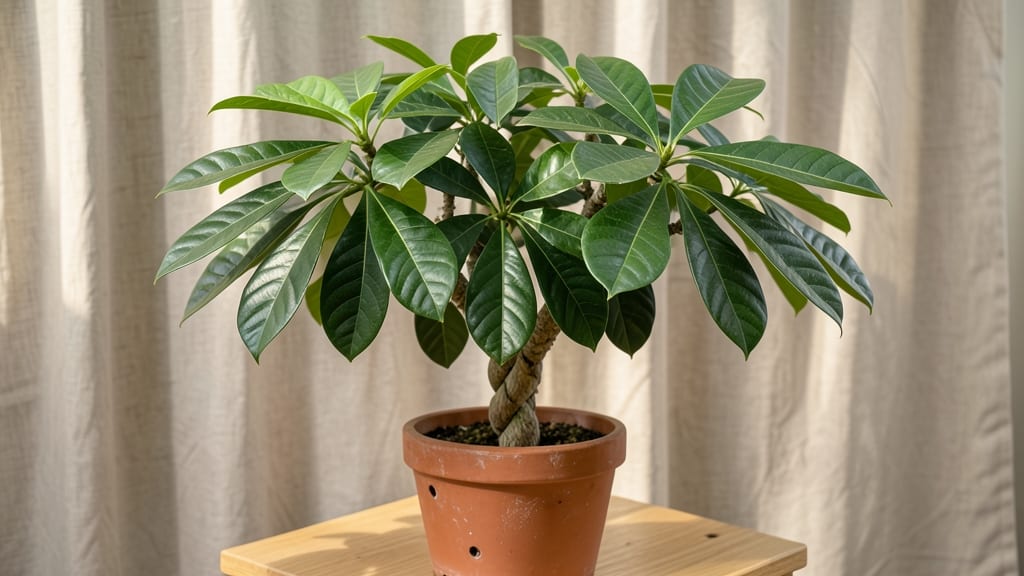
A money tree grows between 2 and 6 feet tall indoors, depending on the variety and care you provide—some stay compact while others stretch toward the ceiling with the right conditions.
If you’re dreaming of a lush, money-attracting green giant but limited by indoor space, understanding your money tree’s growth potential is key.
The braided variety, for example, often tops out around 4 feet, making it perfect for small apartments, while standard types can reach 6 feet or more with proper pruning and sunlight.
Light exposure is the biggest factor in height control—too little, and your money tree will stay short and leggy; too much direct sun, and it may grow faster but risk leaf burn. Indoor placement near an east or west-facing window keeps it happy without letting it spiral out of control.
Below, I’ll break down how to manage growth based on your space, the best pruning techniques to shape your plant, and whether dwarf varieties are worth the investment for tiny homes.
You’ll leave here knowing exactly what to expect—and how to keep your money tree thriving at the perfect height for your life.


Money tree height limits by variety: small to tall indoor growth expectations
Your money tree (Pachira aquatica) can grow from a tiny tabletop plant to a towering indoor statement piece—it all depends on the variety and care. While some stay under 2 feet, others can reach 10 feet tall indoors with ideal conditions.
The key lies in genetics and pruning habits, not just wishful thinking about financial luck!
Most money trees you’ll find in nurseries fall into three height categories: dwarf (6"–3 ft), standard (3–6 ft), and giant (6–10+ ft).
The braided varieties (like the popular 5-strand type) often max out around 6 feet, while unbraided standard types can stretch toward 10 feet if left unchecked. Your choice of pot size and pruning schedule will determine whether your plant stays small or sky-high.
| Variety | Mature Height (Indoors) | Growth Rate | Best For |
|---|---|---|---|
| Dwarf Money Tree | 6" – 2 ft | Slow to moderate | Desks, shelves, small apartments |
| Standard Braided (5-strand) | 3 – 6 ft | Moderate (1–2 ft/year) | Living rooms, entryways |
| Tall Unbraided | 6 – 10+ ft | Fast (2–3 ft/year) | Large spaces, greenhouses |
| Mini Money Tree (Bonsai-style) | 1 – 1.5 ft | Very slow | Offices, windowsills |
The dwarf varieties are perfect for small spaces like offices or windowsills, while standard braided types thrive in living rooms where they can become a conversation piece.
If you’re aiming for a tall money tree, look for unbraided seedlings—these can grow 3 feet per year with proper light and nutrients. Even then, most indoor money trees top out at 8–10 feet unless you’re in a greenhouse with year-round warmth.
Genetics play a huge role in height potential. A dwarf money tree might only reach 18 inches even with ideal care, while a standard variety could double that size. If you buy a 6-inch money tree from a nursery, check the tags—some are already grafted or pruned to stay small.
For taller growth, start with a young seedling and avoid heavy pruning in the first year.
Light exposure directly impacts height. A money tree in bright indirect light (like an east-facing window) will grow taller and leggier, while lower light conditions slow vertical growth but encourage bushier foliage.
If your plant starts stretching toward the ceiling, it’s begging for more sunlight or a south-facing spot. Just avoid direct afternoon sun, which can scorch the leaves.
Pot size matters too. A money tree in a 6-inch pot will grow slower than one in a 12-inch container because root growth limits top growth. Repot into a 1–2 inch larger pot every 2–3 years to encourage upward expansion.
Pro tip: If you want a shorter money tree, keep it in a smaller pot—root-bound plants focus energy on foliage rather than height.
Pruning is your secret weapon for controlling height. Pinch back the top 2–3 inches of new growth to encourage bushier growth. For a tree-shaped money tree, prune just above a leaf node to promote branching.
If you’ve let your plant get too tall, you can hard-prune in spring—cut back by 1/3 to reset growth patterns. Just avoid heavy pruning in winter when the plant is dormant.
Humidity levels also affect height. Money trees native to tropical regions grow taller and faster in 60%+ humidity. In dry indoor air (common in winter), growth slows, and leaves may brown at the tips.
Use a humidifier or pebble tray to keep your plant thriving—this helps maintain steady growth rates and prevents stunted height.
Remember, your money tree’s height isn’t just about luck—it’s about careful variety selection and consistent maintenance. Whether you want a compact desk companion or a room-filling giant, choosing the right type and giving it the right conditions will determine how tall it grows.
Start small, observe your plant’s growth habits, and adjust care as needed to reach your perfect height goal.
How to control money tree height: pruning, training, and space-saving techniques
Keeping your money tree (Pachira aquatica) at your desired height isn’t just about aesthetics—it’s about creating the perfect balance between growth and space. Without proper control, even compact varieties can outgrow their pots or become leggy.
The good news? With simple pruning techniques and strategic training, you can shape your plant to fit any room while encouraging lush, healthy foliage.
Whether you’re dealing with a 6-inch dwarf variety or a 10-foot outdoor specimen, the key lies in understanding when and how to prune.
Indoor money trees typically grow 12-24 inches per year, but with regular maintenance, you can keep them at a manageable 3-6 feet even in small apartments. Let’s explore the best methods to manage your plant’s height while promoting fullness.
- Step 1
- Step 2
- Step 3
- Step 4
- Step 5
- Step 6
For small apartments, consider growing your money tree as a multi-stemmed shrub instead of a single trunk. Simply prune the main stem when it reaches your desired height, and new shoots will sprout from the base, creating a fuller, bushier plant.
This technique works especially well for braided money trees, where the braiding process naturally limits vertical growth.
If your money tree starts to lean or stretch toward light, it’s a sign it needs more bright indirect light. Rotate the pot quarter-turns every 2 weeks to ensure even growth. Avoid placing it in direct sunlight, which can scorch the leaves and cause uneven height development.
With these techniques, you’ll keep your money tree at the perfect height while enjoying its lush, money-attracting foliage.
Remember, the goal isn’t to stunt growth but to guide it. Regular pruning and training will not only control height but also encourage a healthier, more vibrant plant that thrives in your space. Happy pruning! 🌿