
How To
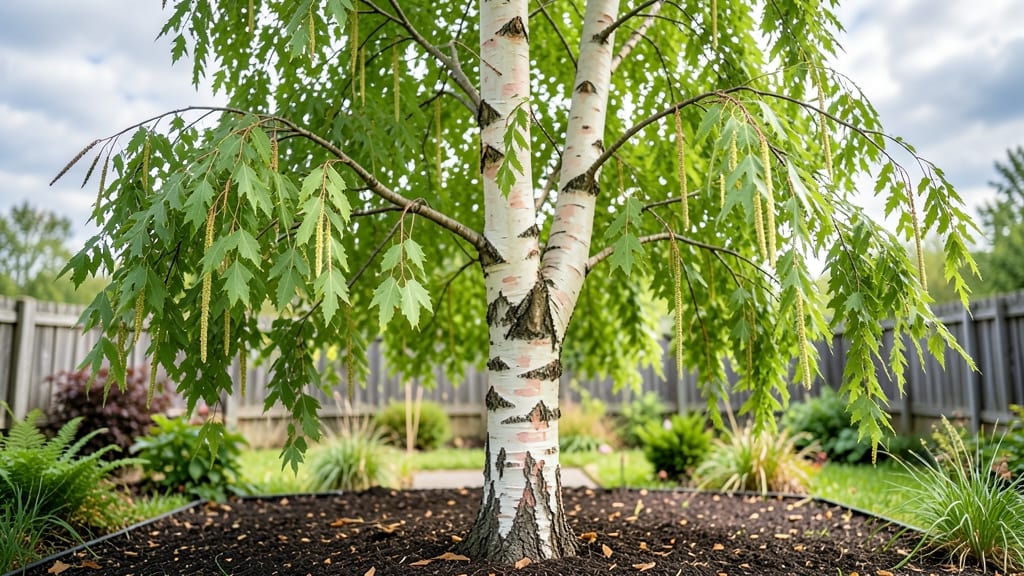
A river birch tree grows to how tall does a river birch tree grow a mature height of 30 to 50 feet—enough to dwarf a two-story house and cast dramatic shade across your yard.
If you're dreaming of adding one to your landscape, knowing its mature height is key—especially when planning for shade, privacy, or small-space gardening. These striking trees vary dramatically by growing zone, and understanding their potential size will help you choose the perfect spot.
In Zone 6a, where many gardeners plant them, expect a fast-growing tree that can reach 20 feet in just 10 years—but full height takes decades. Meanwhile, cooler climates slow growth, while southern zones can push them toward the upper limit.
Below, I break down how height varies by region, which dwarf varieties stay compact, and how to space them for long-term harmony in your garden.


River birch tree height by USDA hardiness zones: mature size guide
If you're considering planting a river birch tree (Betula nigra), one of your first questions is likely, "how tall does it grow?" The answer depends heavily on your USDA hardiness zone, as climate directly influences growth rates and mature height.
In my experience, these trees thrive from zones 3 through 9, but their final stature can vary by 20 feet or more depending on where you live.
River birches are known for their peeling bark and graceful form, but their height potential makes them a landscape game-changer. Whether you're planning for privacy screening or simply adding shade to your yard, understanding these size variations will help you select the perfect cultivar for your space and climate.
In zones 3-4, river birches typically reach 30-40 feet at maturity, growing more slowly due to colder winters. The 'Heritage' cultivar is particularly cold-hardy and a favorite in these regions.
Meanwhile, gardeners in zones 7-8 can expect taller specimens, often 40-50 feet, with faster growth rates of 3-4 feet per year when conditions are ideal.
One common misconception is that all river birches grow to 50 feet regardless of location. In reality, zone 9 trees often max out at 35-45 feet due to heat stress, which slows their growth.
If you're in a hotter climate, look for heat-tolerant cultivars like 'Heritage' to ensure your tree thrives without stunting.
The spread of a river birch is just as important as its height, with most varieties reaching 25-40 feet wide at maturity. This wide canopy means you'll need ample space—at least 30 feet in diameter—to accommodate the tree's full growth.
In smaller yards, consider dwarf varieties like 'Little King', which stays under 25 feet tall while still offering stunning bark and foliage.
Soil conditions also play a crucial role in determining height. River birches prefer moist, well-draining soil with a slightly acidic to neutral pH. In waterlogged or compacted soil, growth can be stunted, leading to a shorter mature height.
If your yard has heavy clay, amending the soil with organic matter like compost can help encourage healthier, faster growth.
For those in urban landscapes with limited space, I recommend planting river birches near property lines or along fences to maximize their height benefits without sacrificing yard space.
Their ornamental bark adds year-round interest, making them a standout feature even in tight areas. Just be sure to leave plenty of room for their eventual spread!
If you're unsure about your tree's potential height, consult your local cooperative extension service for zone-specific advice. They can provide insights tailored to your microclimate, ensuring you choose the perfect river birch for your garden.
With the right variety and care, this tree will become a centerpiece in your landscape for decades to come.
🌳
How fast do river birch trees grow to full height?
River birch trees (Betula nigra) are known for their rapid growth, especially when planted in ideal conditions. In their first decade, they can reach 15-25 feet tall, with mature heights between 30-50 feet depending on variety and growing conditions.
Understanding their growth rate helps you plan for shade, privacy, or landscape design—whether you're working with a small urban yard or a sprawling estate.
Growth speed varies by age, climate, and soil quality. Young saplings grow 2-4 feet per year in optimal conditions, while established trees add 1-2 feet annually.
In warmer climates like USDA Zone 8-9, growth can be faster due to longer growing seasons, while colder zones (like Zone 4-5) may see slower early development.
Key Growth Milestones for River Birch Trees
- 🌱 Year 1: 2-4 ft (fastest growth in first year)
- 🌳 Year 5: 15-20 ft (established root system supports rapid height gain)
- 🌲 Year 10: 25-35 ft (growth slows slightly as tree matures)
- 🌳 Mature (15-20 years): 30-50 ft (final height depends on pruning and climate)
Growth rates can double in ideal conditions: full sun, moist soil, and regular watering.
Soil moisture plays a critical role in growth speed. River birches thrive in moist, well-drained soil—waterlogged conditions stunt growth, while consistent moisture accelerates height development.
In my Zone 6 garden, a river birch reached 12 feet in just 3 years after I installed a drip irrigation system to maintain even moisture levels during dry spells.
Pruning affects both growth rate and final height. Structural pruning in early years encourages a single trunk and reduces branching, which can speed up vertical growth. However, over-pruning slows height gains by diverting energy to regrowth.
I recommend removing only dead or crossing branches in the first 5 years—this keeps the tree growing upward while maintaining a healthy canopy.
Climate also impacts growth speed. In southern climates (Zones 8-9), river birches may reach 50 feet in 15 years, while in northern zones (4-5), they might take 20+ years to mature.
For example, a river birch in Georgia (Zone 8) grew 3 feet per year in its first decade, while one in Minnesota (Zone 4) averaged 1.5 feet annually.
To maximize growth, plant river birches in full sun to partial shade with 6+ hours of direct light daily. Amend heavy clay soil with compost to improve drainage, and avoid planting near sidewalks or foundations—these trees develop expansive root systems that can disrupt hardscapes.
With the right conditions, you’ll see dramatic height gains in just a few years!