
Trees
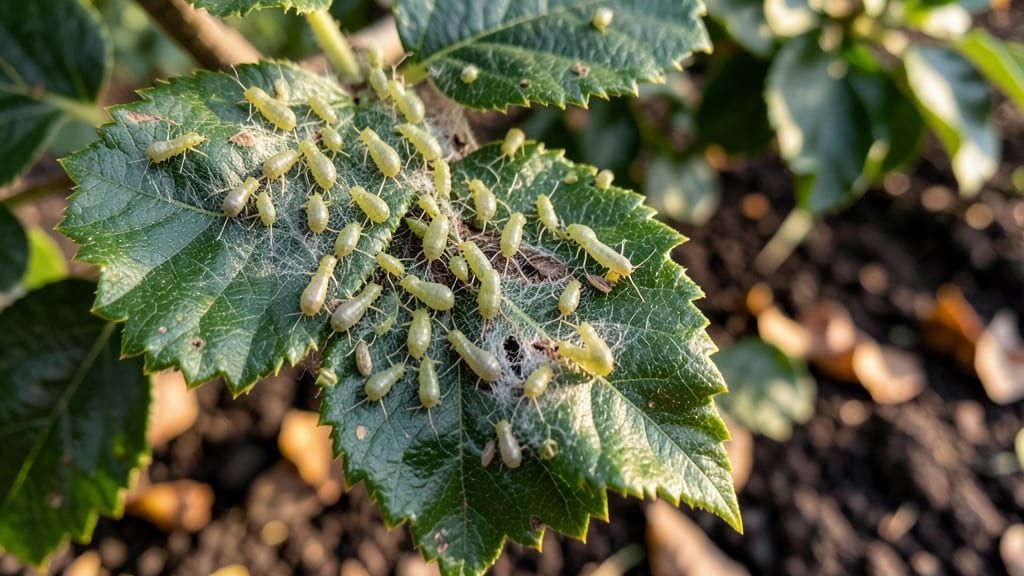
Your apple tree’s leaves are being eaten by the bugs faster than a summer picnic blanket—aphids, sawfly larvae, and tent caterpillars are the usual culprits. 🌿 I’ve battled these pests for years, and the key isn’t chemicals but timing, identification, and a few simple tricks that actually work.
The damage isn’t just unsightly; it weakens your tree’s ability to fruit next season.
Start by learning their telltale signs: aphids cluster on undersides, sawfly larvae skeletonize leaves, and tent caterpillars spin silken webs. Most homeowners panic and spray too early—wait until you see 30% leaf loss before acting.
That’s when organic sprays like neem oil or insecticidal soap become effective without harming bees or beneficial insects.
You’ll protect your tree’s health and future harvests with minimal effort. A 10-minute inspection weekly during peak season catches problems before they spiral. The best defense? Healthy soil, proper pruning, and a few DIY traps that outsmart pests naturally.
Works for any fruit tree—pears, cherries, even ornamental crabapples. Here’s how to spot the damage, choose the right control, and keep your tree thriving without harsh chemicals.
Root Causes Of Leaf Loss
Apple trees are a feast for hungry pests, but their leaves don’t just vanish randomly—there’s always a reason behind the damage. Understanding why bugs target your tree is the first step to stopping them. Let’s break down the science behind the most common culprits and their motivations.
Some insects don’t just nibble—they’re after the nutrients your tree has worked hard to produce.
Leaves are packed with sugars, proteins, and minerals, making them a high-value snack for pests like: - Aphids 🐜 – These tiny sap-suckers inject enzymes to break down leaf cells, draining sugars and weakening the tree. - Caterpillars (e.g., tent caterpillars, gypsy moths) 🐛 – They chew leaves to access the nitrogen-rich proteins needed for their rapid growth. - Japanese beetles 🐞 – Adults strip leaves to feed their larvae, which thrive in decaying organic matter (like fallen leaves) rich in nutrients.
Why it matters: If your tree is already stressed (from drought, poor soil, or disease), it produces softer, more nutrient-dense leaves—making it a prime target.
Not all leaf damage is about food—some pests are reproducing. Female insects lay eggs on leaves, and the hatching larvae immediately start feeding to survive.
Common offenders include: - Codling moths 🐛 – Their larvae burrow into apples, but adults lay eggs on new leaves and fruit spurs, triggering defoliation. - Sawfly larvae 🪰 – These caterpillar-like pests chew entire leaves as they grow, often in large clusters. - Leafrollers 🌀 – They fold leaves to lay eggs, creating protected microhabitats where larvae can feed undisturbed.
Why it matters: If you see sawdust-like frass (insect droppings), eggs, or silken webbing, you’re dealing with a breeding ground—not just random snacking.
Pests don’t attack randomly—they’re opportunistic.
Certain conditions make your apple tree more appealing (or easier to exploit): - Warm springs 🌤️ – Early warmth speeds up insect metamorphosis, leading to explosive population booms (e.g., aphids, mites). - Drought stress 💧 – Water-stressed trees produce thinner leaves, which pests find easier to penetrate. - Overcrowded orchards 🌳 – Trees in tight spaces have less airflow, trapping humidity and attracting fungus-loving pests like apple scab (which weakens leaves, making them tastier for bugs).
Why it matters: If your tree is already struggling, pests smell the weakness—like vultures circling a wounded animal.
Some pests are drawn to specific tree weaknesses, like:
- Young, tender leaves 🍃 – New growth is softer and more digestible than mature leaves, attracting leafminers and sawflies.
- Damaged bark or wounds 🪓 – Beetles and borers exploit cracks or pruning cuts to lay eggs, leading to secondary leaf damage as the tree fights infection.
- Fungal infections 🍄 – Diseases like apple scab or powdery mildew weaken leaves, making them sweeter and more attractive to sap-sucking pests.
Why it matters: A healthy tree is naturally resistant—but once pests find an entry point, they’ll exploit it ruthlessly.
Sometimes, we accidentally invite the pests:
- Compost piles near trees 🗑️ – Attracts Japanese beetles and slugs, which then migrate to leaves.
- Windbreaks or nearby crops 🌾 – Pests from wild roses, crabapples, or berries may hopscotch to your orchard.
- Over-fertilizing with nitrogen 💪 – While it greens up leaves, it also boosts pest populations that thrive on lush foliage.
Why it matters: If your tree is the healthiest in the neighborhood, pests will still find it—but they’ll start elsewhere first.
The key to prevention? Knowing the difference between:
- Holes (chewing insects like beetles)
- Stippling (tiny dots from mites or flea beetles)
- Curling/rolls (leafrollers or aphids)
- Honeydew/slime (sap-suckers like aphids or scale)
Act fast—once pests move from leaves to fruit or bark, damage becomes far harder to reverse. 🚀
Quick Fixes for Leaf-Munching Pests
When your apple tree’s leaves start looking like a buffet for hungry critters, don’t panic—there are simple, effective ways to reclaim your tree’s health without harsh chemicals. Below, we’ll match the most common culprits to targeted solutions, plus preventive tips to keep your tree thriving. Let’s get started!
Signs: Sticky residue (honeydew), curled or yellowing leaves, clusters of small green/black bugs on undersides.
How to Fix It
🔥 Blast Them Away Use a strong stream of water from your hose to dislodge aphids. Repeat every 3–4 days until they’re gone. (Best for small infestations!)
🍳 Soapy Water Spray Mix 1 tsp mild dish soap (like Castile) + 1 quart water in a spray bottle. Test on a few leaves first—aphids hate it! Spray early morning or late evening to avoid harming bees.
👨🍳 Introduce Beneficial Insects Ladybugs and lacewings love aphids. Buy them online or attract them naturally with neem oil (spray lightly—it repels pests but won’t kill the good guys).
💡 Prevention Tip: Plant garlic, chives, or marigolds near your tree—aphids despise the scent!
Signs: Webby nests, skeletonized leaves, caterpillars marching in lines.
How to Fix It
🔪 Handpick & Drop Wear gloves and pluck nests off (they’re fragile!). Drop them into soapy water to drown. Do this early morning when caterpillars are sluggish.
🌡️ Bt (Bacillus thuringiensis) Spray This organic bacteria kills caterpillars but is safe for humans and pets. Spray at dusk when caterpillars are active. Reapply after rain.
✨ Prune Strategically Remove heavily infested branches (sterilize pruners with rubbing alcohol). Burn or bag the clippings—do not compost to prevent reinfestation.
🎯 Prevention Tip: Encourage birds and parasitic wasps (they eat caterpillar eggs). Install a birdhouse or avoid pesticides that harm them.
Signs: Leaves curl upward, tiny white larvae in curled edges, stunted growth.
How to Fix It
🥘 Neem Oil Treatment Mix 2 tbsp neem oil + 1 tsp mild soap + 1 quart water. Spray both sides of leaves at dusk (avoids harming bees). Repeat every 7–10 days until new growth appears.
🔥 Horticultural Oil Spray Use dormant oil in late winter/early spring (before buds swell) to suffocate eggs. Reapply after rain.
💡 Prevention Tip: Keep your tree healthy with proper pruning and watering—stressed trees attract more midges. Mulch around the base to retain moisture.
Signs: Chewed leaves with notches, skeletonized foliage, iridescent beetles feeding in groups.
How to Fix It
🍎 Handpick & Drown Drop beetles into soapy water—they’re slow and easy to catch! Do this early morning when they’re sluggish.
🌿 Milky Spore or Neem Oil Milky spore (a natural bacteria) kills beetle grubs in the soil. For adults, neem oil spray works well (follow label instructions).
🔪 Traps (Use with Caution!) Commercial traps attract more beetles—only use them far from your tree (100+ feet away) if infestation is severe.
🎯 Prevention Tip: Plant trap crops like roses or grapes nearby—beetles will go for those first!
Want to keep pests away long-term?
Try these easy habits: - Prune regularly to improve airflow (pests love dense, damp foliage). - Mulch with wood chips or straw to deter crawling insects. - Water deeply but less often—wet leaves attract slugs and fungal issues. - Encourage natural predators (birds, toads, predatory beetles) with a diverse garden. - Inspect leaves weekly—catch problems early before they spread!
Remember: Most pests are just passing through—a healthy tree is your best defense! 🍏🌿 If infestations persist, consider consulting a local arborist for a tailored plan.
Frequently asked questions
What’s the difference between aphids and mites on my apple tree?
Aphids are tiny, soft-bodied insects that cluster on leaf undersides and leave sticky honeydew, while mites are microscopic and cause stippling (tiny white/yellow dots) on leaves. Aphids are easier to see with the naked eye, while mites often require a magnifying glass. Both weaken your tree, but aphids spread faster.
Can I use coffee grounds to repel bugs eating my apple tree?
Yes! Sprinkle used coffee grounds around the tree’s base—the strong scent repels many pests like slugs, beetles, and even some caterpillars. Just avoid piling them directly against the trunk, as they can attract fungus. Reapply after rain for best results.
How often should I spray neem oil on my apple tree?
Apply neem oil every 7–10 days during active growing season (spring to fall) to prevent reinfestation. Always spray in the evening to protect bees, and avoid applying if rain is forecasted within 24 hours. Dilute with water and a drop of soap for better adhesion.
Will my apple tree recover if most leaves are eaten?
Yes, but it may take 1–2 seasons to fully recover. If 50%+ of leaves are gone, prioritize watering and fertilizing to help regrowth. Young trees are more vulnerable, while mature trees often bounce back. Prune damaged branches to redirect energy to new foliage.
Are there any bugs that actually help my apple tree?
Ladybugs, lacewings, and parasitic wasps eat aphids and caterpillars. Birds and toads also help by snacking on beetles and slugs. Plant native flowers (like dill or yarrow) to attract these beneficial predators—nature’s pest control works best when balanced!