
How To
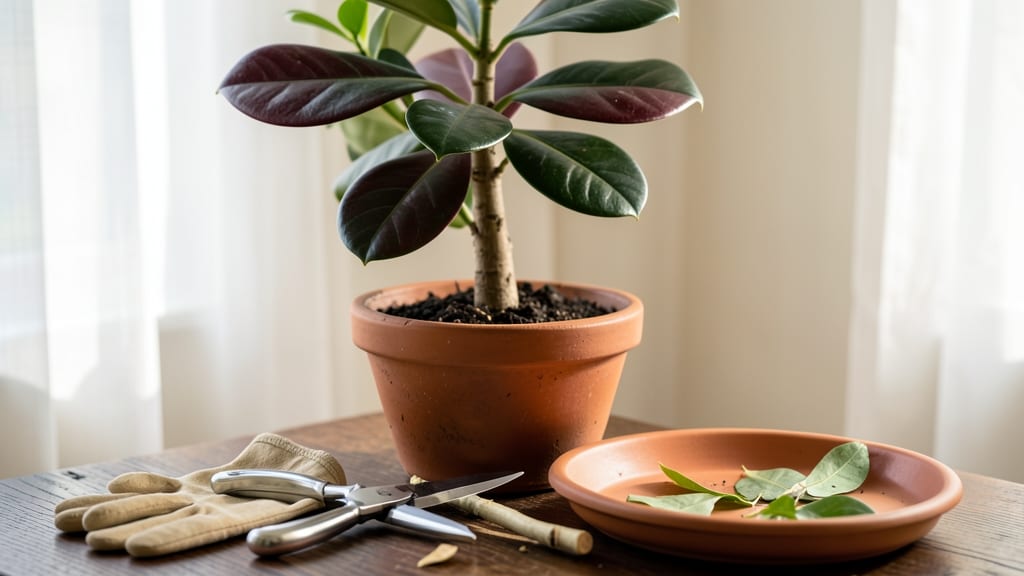
If you’re wondering how to stop your rubber tree growing too tall, strategic pruning is the answer—turning a skyward giant into a manageable houseplant. ✂️ The key lies in cutting at the right nodes and times to encourage bushier growth while keeping it under control.
I’ve learned the hard way that pruning too late in the season or using dull tools can stress the plant, leading to weak regrowth or even disease.
Start by sterilizing your pruning shears with rubbing alcohol to prevent infection, then cut just above a leaf node (the bump where leaves grow) at a 45-degree angle.
Aim to trim back 1/3 of the plant’s height in early spring when new growth begins—this gives the tree time to recover before summer heat stress. Avoid heavy pruning in fall or winter, as the plant needs energy to store for regrowth.
📚 In This Guide
- What you need
- Instructions
- Tips and common mistakes
- Wrapping up and next steps
What you need
- ● Pruning shears or bypass pruners – Sharp, clean blades (avoid dull tools that crush stems). Size: 6–8 inches for medium branches.
- ● Loppers – For thicker branches (½ inch or larger). Quantity: 1 pair with a long reach (18–24 inches) if needed.
- ● Hand pruners (for fine-tuning) – For smaller stems or shaping leaves. Bonus: Disinfect with rubbing alcohol to prevent disease.
- ● Rubbing alcohol (70% or higher) – Quantity: Small bottle (4 oz) to sterilize tools between cuts.
- ● Garden gloves – Protects hands from sap (can irritate skin) and sharp edges. Type: Heavy-duty, nitrile-coated.
- ○ Dust mask (optional but helpful) – If your tree is dusty or in a dry environment.
- ● Newspaper or drop cloth – Size: Large enough to cover your workspace (e.g., 3x5 ft). Catches fallen leaves/sap.
- ● Ruler or measuring tape – To mark pruning points accurately (1/4 inch above a leaf node is ideal).
- ● Horticultural sealant (e.g., pruning paste) – Speeds up healing on large cuts. Apply: Within 24 hours of pruning.
- ● Ladder or step stool – For tall trees (ensure it’s stable!). Height: Extend to 6–8 feet for most rubber trees.
- ● Spray bottle with water – Dab excess sap on tools/skin for quick cleanup.
- ● Compost bin or bag – For collecting pruned leaves/branches (great for nutrient recycling!).
Step-by-step guide to pruning your rubber tree for controlled height
Here’s how I keep my rubber tree lush and manageable without sacrificing its health.
✂️ Step 1: Choose the Right Time to Prune
Spring is the best time to prune your rubber tree—right as new growth begins. This timing lets you shape the tree while it’s actively growing, ensuring it recovers quickly. Avoid pruning in fall or winter, when the plant is dormant; it won’t bounce back as well. If you miss spring, you can prune again in early summer, but avoid heavy cuts after mid-July to prevent new growth from struggling before winter.
Look for fresh, vibrant leaves at the top of the tree—that’s your signal it’s ready. If the leaves are yellowing or the plant looks stressed, wait until it perks up. Never prune when the tree is flowering, as this can reduce blooms or fruit (if it’s a fruiting variety).
🌿 Step 2: Identify and Mark the Pruning Points
Examine the tree and locate the spots where you want to control height. Focus on the topmost leaves and stems—these are the growth points that will make the tree taller. Use clean, sharp pruning shears to make cuts just above a leaf node (the small bump where leaves or branches grow). This encourages new growth to sprout from that spot, keeping the tree fuller.
If you’re aiming for a specific height, measure from the ground up to your target. For example, if you want the tree to stay at 3 feet tall, cut just above the leaf node at that height. Avoid cutting into old, woody stems—these won’t regrow well. Instead, focus on younger, green growth for the best results.
✂️ Step 3: Make Clean Cuts to Encourage Bushier Growth
Use sterilized pruning shears to make a 45-degree angle cut just above a leaf node. This angle helps water run off the cut, reducing the risk of rot. Cut cleanly—don’t tear the stem, as jagged edges can invite disease. If you’re pruning larger branches, make the cut just outside the branch collar (the swollen area where the branch meets the trunk) to promote faster healing.
After pruning, you’ll notice the tree looks a bit sparse at the top, but don’t worry. Within 4-6 weeks, new growth will sprout from the leaf nodes below your cuts. To encourage bushier growth, pinch off the tips of new shoots as they appear—this redirects energy to side branches instead of just upward growth.
☀️ Step 4: Adjust Light and Care After Pruning
Move your rubber tree to a bright, indirect light spot for the first week after pruning. Too much direct sun can stress the plant as it recovers, while too little light slows down new growth. If you’re keeping it indoors, a spot near an east-facing window is ideal. Outdoors, provide afternoon shade if temperatures exceed 85°F.
Water the tree lightly but consistently—keep the top 1-2 inches of soil moist but never soggy. Overwatering after pruning can cause root stress, while underwatering slows recovery. Mist the leaves occasionally to increase humidity, especially if your home has dry air. Avoid fertilizing for 4-6 weeks after pruning to let the tree focus on regrowing rather than feeding.
⏰ Step 5: Monitor and Maintain for Long-Term Control
Check your rubber tree every 2-3 weeks for new growth. If you see leggy stems reaching upward again, it’s time for another round of pruning—just trim the tips to encourage branching. Over time, you’ll find a rhythm: prune lightly in spring, adjust as needed in summer, and let the tree rest in fall and winter.
Here’s the thing—rubber trees thrive on routine. If you prune the same way every year, you’ll train the tree to stay at your desired height with minimal effort. Just remember: the more you prune, the bushier (but not necessarily taller) the tree will grow. Balance is key—don’t overdo it, or you’ll end up with a stubby, unhappy plant.
Tips & tricks for pruning your rubber tree
Pruning your rubber tree the right way makes all the difference between a lanky, leggy plant and a full, healthy houseplant. Here's what I've learned from keeping my own rubber tree happy and compact for years.
Timing is Everything: Spring is your golden window for pruning—right when you see those fresh, vibrant leaves pushing out. That's when your rubber tree is most resilient and ready to bounce back. I've made the mistake of pruning in late summer, and my tree struggled to recover before winter. If you miss spring, early summer is your next best bet, but avoid heavy cuts after mid-July. The tree needs time to harden off before winter dormancy.
The Right Tools Matter: Never use dull or dirty pruning shears—sterilize them with rubbing alcohol first to prevent spreading disease. I learned this the hard way when my tree developed brown spots after pruning. For larger branches, use pruning shears with a bypass blade that makes clean cuts without crushing stems. And always cut at a 45-degree angle just above a leaf node—this prevents water from pooling on the cut and reduces rot risk.
Visual Cues for Perfect Cuts: When making your cuts in Step 2, look for that small bump (leaf node) where new growth emerges. Cut just above this node at a 45-degree angle—this encourages new shoots to grow from that spot. I mark my target height with a piece of tape first, then cut just above the node at that level. For a 3-foot tree, this means measuring from the soil line up to your desired height and cutting precisely there.
Post-Pruning Recovery: After pruning, your tree will need special care to recover. Move it to bright, indirect light for the first week—too much direct sun stresses the plant while it's healing. I place mine near an east-facing window where it gets gentle morning light. Keep the top 1-2 inches of soil consistently moist but never soggy, and avoid fertilizing for at least 4-6 weeks. This gives your tree all its energy to focus on regrowing rather than feeding.
Pro Tips for Stop Rubber Tree Growing Too Tall
- Pruning your rubber tree the right way makes all the difference between a lanky, leggy plant and a full, healthy hous...
- Timing is Everything: Spring is your golden window for pruning—right when you see those fresh, vibrant leaves pushing...
- The Right Tools Matter: Never use dull or dirty pruning shears—sterilize them with rubbing alcohol first to prevent s...
Frequently asked questions
Got questions about managing your rubber tree’s height? You’re not alone! Here are answers to the most common concerns—so you can keep your plant lush and under control.
How often should I prune my rubber tree to keep it short?
Prune your rubber tree once a year (spring or early summer) for general maintenance. If it’s growing aggressively, you can trim lightly every 6–8 weeks. Avoid heavy pruning in fall/winter, as growth slows then. Over-pruning stresses the plant—think quality over quantity!
Will pruning stunt my rubber tree permanently?
No—pruning won’t permanently stunt growth, but it encourages bushier, denser growth if you cut back stems near nodes (leaf junctions). For a true height limit, prune consistently and remove the top growth (apical bud) to redirect energy. Just avoid cutting too close to the trunk!
Can I use regular scissors to prune my rubber tree?
Nope! Use clean, sharp pruning shears (or a small handsaw for thick stems) to avoid crushing or tearing. Dull tools cause jagged cuts that heal poorly and invite pests. Sterilize blades with rubbing alcohol between cuts to prevent disease. Pro tip: Wear gloves—rubber tree sap can irritate skin!
How long does it take for a rubber tree to stop growing tall after pruning?
Results vary, but you’ll see slower vertical growth within 2–4 weeks of pruning. For dramatic height control, repeat pruning every 3–6 months. Patience is key—rubber trees respond best to gradual adjustments. Think of it like shaping a bonsai!
What if my rubber tree keeps growing tall despite pruning?
Check these fixes:
- Light: Too much bright, direct sun fuels rapid growth. Move it to indirect light (east/west-facing windows).
- Water: Overwatering = more growth. Let the top 1–2 inches of soil dry out between waterings.
- Fertilizer: Cut back on nitrogen-heavy fertilizers (use a balanced 20-20-20 formula instead).
- Pot size: Root-bound trees grow faster. Repot every 2–3 years if needed.
Wrapping up and next steps
Stopping your rubber tree from towering over your space doesn’t have to be stressful—just follow the right steps! By pruning regularly, using proper tools, and understanding growth habits, you’ll keep it lush and manageable. 🌿 With patience and care, your tree will thrive at your ideal height.
Ready to take action? Grab your pruners and start trimming today! Your future (and your ceiling) will thank you.