
How To
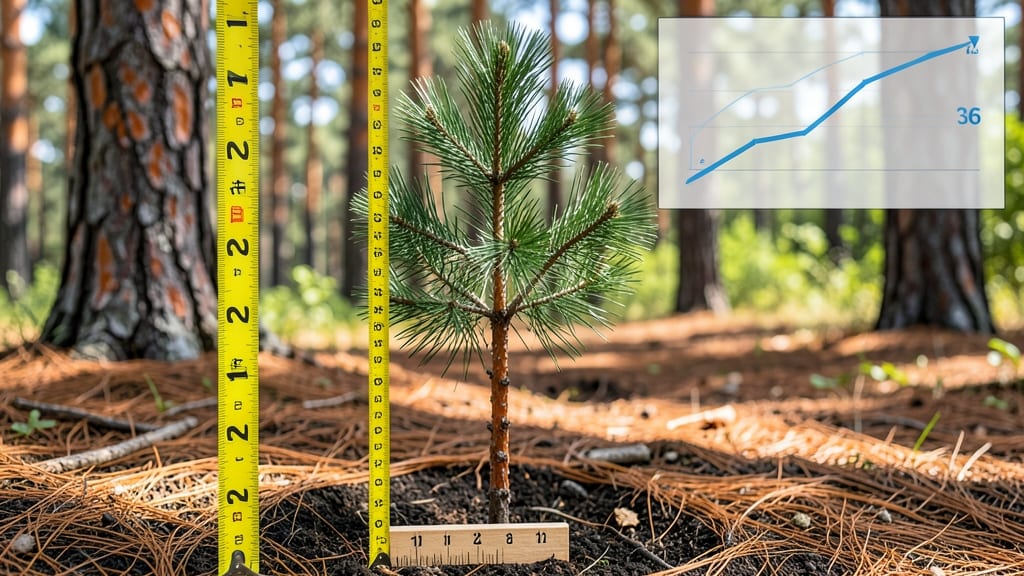
A pine tree’s annual growth can surprise you—how tall does a pine tree grow per year? Some species shoot up 3 feet or more per year, while others barely inch along, depending on the variety and your climate.
Picture this: You plant a sapling in early spring, and by next year, it’s already taller than your mailbox. That’s not magic—it’s the right pine tree in the right conditions. But get the species or care wrong, and you’ll be waiting decades for that towering 🌲 you dreamed of.
Fast growth isn’t just about time; it’s about choosing the right species for your zone, giving it well-drained soil, and avoiding common mistakes like overwatering. The good news? With the right approach, you can double or even triple your pine’s yearly height gains.
In this guide, I’ll break down the fastest-growing pine varieties, how to maximize their growth, and what to watch for to keep your tree reaching for the sky—without the guesswork.


Fastest-growing pine tree species and their annual height increases
If you're dreaming of a towering pine tree that grows fast enough to provide shade within a decade, you're in the right place. Some pine species shoot up 3 feet per year in ideal conditions, while others grow just a few inches annually.
The difference comes down to species selection, climate, and proper care. Let's explore the fastest-growing pines and what to expect from their growth rates.
Understanding annual growth rates helps you plan your landscape design. A Lodgepole Pine might reach 60 feet in 20 years, while a Ponderosa Pine could take 50 years to hit the same height.
The key is matching your pine species to your timeline and growing conditions. Let's break down the fastest growers and their height trajectories.
| Species | Annual Growth (ft) | Mature Height (ft) | Time to Mature (yrs) | Climate Needs |
|---|---|---|---|---|
| Lodgepole Pine | 2-3 ft | 60-100 ft | 20-30 yrs | Cold, dry climates |
| Ponderosa Pine | 1-2 ft | 100-150 ft | 50-70 yrs | Dry, mountainous |
| Eastern White Pine | 1-2 ft | 50-80 ft | 30-40 yrs | Temperate, moist |
| Scotch Pine | 1.5-2.5 ft | 40-60 ft | 25-35 yrs | Drought-tolerant |
| Virginia Pine | 0.5-1 ft | 30-50 ft | 40-50 yrs | Poor soil |
| Shortleaf Pine | 1-1.5 ft | 70-100 ft | 30-40 yrs | Southeastern US |
The Lodgepole Pine takes the crown for fastest growth, adding 2-3 feet annually in optimal conditions. This makes it a favorite for reforestation projects where rapid canopy cover is needed.
In contrast, the Virginia Pine grows just 0.5-1 foot per year, making it better suited for slow-growing landscapes or areas with poor soil.
Soil quality dramatically impacts growth rates. Pines thrive in well-drained, slightly acidic soil with a pH between 4.5-6.5. Sandy loam soils accelerate growth, while clay-heavy soils can stunt a pine's development.
If your soil is compacted, consider amending it with organic matter like compost or pine bark mulch before planting.
Climate plays a crucial role too. Lodgepole Pines flourish in cold, dry climates like the Rocky Mountains, while Eastern White Pines prefer temperate, moist conditions found in the Northeast.
Planting a pine in the wrong climate can reduce its growth rate by 30-50%. Always check your local USDA hardiness zone before selecting a species.
Watering habits also influence annual height gains. Young pine trees need deep, infrequent watering—about 1-2 gallons per week—to develop strong root systems. Overwatering can lead to root rot, while underwatering stresses the tree and slows growth.
Once established, most pines become drought-tolerant, but consistent moisture in the first few years is critical for maximizing height potential.
Sunlight exposure is another growth accelerator. Pines require full sun (6+ hours daily) to reach their maximum growth rates. Planting in partial shade can reduce annual height gains by upstrong> 25%.
If your yard has limited sunlight, consider dwarf pine varieties like the Mugo Pine, which grow just 1-3 feet per year but thrive in shadier conditions.
Fertilization can boost growth by 20-30% in nutrient-poor soils. Use a balanced, slow-release fertilizer (like 10-10-10) in early spring and again in midsummer. Avoid high-nitrogen fertilizers, which can encourage leafy growth over height. Organic options like fish emulsion or bone meal work well for pines.
Pruning young pines incorrectly can stunt their vertical growth. Focus on removing dead or crossing branches rather than topping the tree. Proper pruning encourages a strong central leader, which is essential for maximizing height. Always use sterilized pruners to prevent disease transmission between cuts.
Pine trees are resilient but need the right conditions to reach their full height potential. With proper soil preparation, watering schedules, and seasonal care, you can accelerate growth by 30-50% compared to neglected trees. The key lies in mimicking their natural forest habitat while avoiding common gardening mistakes. Most pines grow 1-3 feet annually under ideal conditions, but some species like Lodgepole Pine can surge 3-5 feet per year in optimal environments. Understanding their needs—like well-draining soil and morning sunlight—sets the foundation for rapid vertical growth. Let’s break down the essentials to turn your pine into a towering backyard centerpiece. One of the biggest mistakes gardeners make is overwatering. While pines need consistent moisture, waterlogged roots suffocate them. Test soil moisture by digging 6 inches down—if it’s damp, wait before watering. Drip irrigation is ideal for delivering water directly to roots without waste. Seasonal care is just as important as daily maintenance. In spring, focus on root stimulation with a phosphorus-rich fertilizer to encourage new growth. By summer, reduce watering slightly to harden off the tree for winter. Fall mulching insulates roots, protecting them from temperature fluctuations that can stunt growth. Sunlight is non-negotiable—pines need 6+ hours of direct sun daily. If your tree is in partial shade, supplement with a grow light for 4-6 hours/day during cloudy seasons. Even 2 hours less sunlight can reduce annual growth by 25%. Monitor for yellowing needles, a sign of insufficient light. With these strategies, your pine tree could easily grow 2-4 feet annually, turning it into a stunning focal point in just a few years. The secret? Consistency. Pines reward patient, attentive care with dramatic height gains—just give them the right conditions, and they’ll reach for the sky. 🌲How to maximize pine tree growth: soil, water, and care tips
🌲 5 Proven Strategies to Double Your Pine Tree's Annual Growth