
Diseases
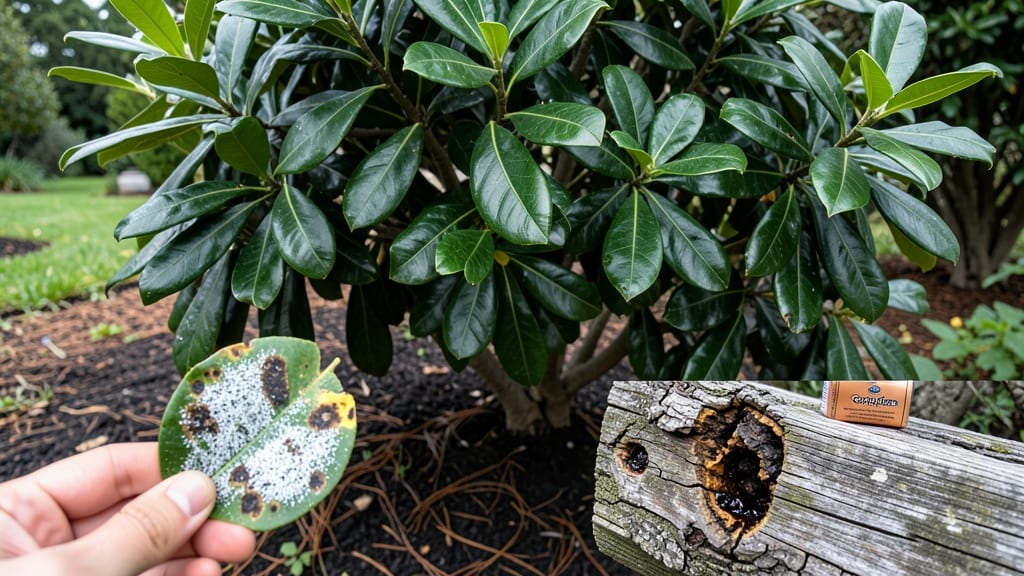
Your bay laurel tree's yellowing leaves and black spots aren’t just cosmetic—they’re disease warnings. 🌿 I’ve nursed back bay laurels from fungal infections and bacterial spots, and the key is catching these issues early before they spread.
This guide covers the most common diseases, what causes them, and how to treat them organically without harming your tree or the environment.
Most bay laurel diseases start with poor air circulation, overwatering, or stress from pests. Anthracnose, for example, thrives in damp conditions, while bacterial leaf spot spreads through contaminated tools or rain splatter.
The good news? With the right organic treatments—like neem oil, copper fungicide, or pruning for airflow—you can stop the spread and restore your tree’s health in just a few weeks.
You’ll learn to identify symptoms like discolored leaves, cankers, or wilting branches, and how to treat them before they worsen. For instance, a simple mix of baking soda and water can prevent fungal spores from taking hold.
The goal isn’t just to save your tree but to keep it thriving so it stays lush and fragrant for years.
When to call in a professional? If the disease spreads despite your efforts or if the tree’s trunk shows signs of rot, it’s time to seek expert help.
But for most home gardeners, these organic solutions work wonders—just like they’ve done for my own bay laurels after a particularly rainy season.
Root Causes of Bay Laurel Troubles
Understanding why bay laurel trees fall prey to diseases is the first step toward prevention and treatment. These issues rarely arise in isolation—they’re often the result of a perfect storm of environmental, biological, or cultural factors.
Let’s break down the key culprits behind bay laurel tree diseases, so you can identify and address them like a pro.
---
Fungi are the #1 culprits behind bay laurel diseases, thriving when conditions are just right. These microscopic organisms love excess moisture, whether from: - Poor drainage (compacted or clay-heavy soil) - Overwatering (soggy roots create fungal buffets) - Frequent rain or humidity (especially in shaded areas)
Fungal diseases like anthracnose and root rot (Phytophthora spp.) exploit weak spots in the tree’s defenses. Once established, they: - Clog xylem vessels (blocking water/nutrient flow) - Release toxins that trigger leaf spots or wilting - Spread via spores carried by wind, water, or tools
💡 Pro Tip: Test your soil’s drainage by digging a 12-inch hole and filling it with water. If it drains in under 30 minutes, your soil is likely fine. If not, amend with perlite or compost to improve airflow.
---
Bay laurels are tough, but pests like aphids, scale insects, and spider mites can turn them into easy targets for disease.
Here’s how they do it: - Sap-sucking pests (e.g., scale) inject toxins, causing yellowing leaves and stunted growth. - Chewing insects (e.g., borers) create entry points for fungi/bacteria. - Honeydew secretion (from aphids) fosters sooty mold, which smothers leaves and blocks sunlight.
A stressed tree is a diseased tree waiting to happen. Pests thrive in: - Drought conditions (weakened defenses) - Overcrowded plantings (limited airflow) - Poor nutrition (lack of nitrogen/phosphorus)
✨ Quick Fix: Blast pests off with a strong stream of water or introduce beneficial insects (like ladybugs) to keep populations in check.
---
Bay laurels are adaptable, but extreme conditions can push them over the edge.
Key stressors include: - Temperature swings (frost damage weakens bark, inviting fungal infections). - Drought stress (wilting leaves become prime targets for bacterial leaf spot). - Air pollution (ozone or sulfur dioxide irritate foliage, making it susceptible to disease).
📊 Key Red Flags: | Stressor | Symptom | Disease Risk | |---------------------|--------------------------------------|---------------------------------| | Overwatering | Mushy stems, yellowing leaves | Root rot, fungal leaf spots | | Underwatering | Crispy leaf edges, wilting | Bacterial canker, spider mites | | Poor airflow | Dark, damp foliage | Powdery mildew, anthracnose |
🔥 Prevention Hack: Mulch 2–3 inches deep (keep it 6 inches from the trunk) to regulate soil temp and retain moisture without suffocating roots.
---
Even the hardiest bay laurels suffer when basic care is neglected.
Common blunders include: - Pruning at the wrong time (cutting in wet weather or late summer invites infections). - Using contaminated tools (fungal spores hitchhike on shears—sterilize with rubbing alcohol!). - Planting too close to others (crowding traps humidity and limits airflow).
👨🍳 DIY Fix: Space bay laurels 8–10 feet apart and prune only in dry, sunny conditions using sharp, clean tools.
--- 🎯 Bottom Line: Bay laurel diseases rarely strike out of nowhere—they’re usually a combo of stress + opportunity. By tackling moisture, pests, and cultural habits, you’ll build a resilient tree that fights off trouble before it starts.
Next up: spotting symptoms early to stop diseases in their tracks!
Quick Fixes for Bay Laurel Woes
Reviving your bay laurel tree starts with identifying the root cause—whether it’s fungal infections, pests, or environmental stress—and acting fast. Below, we break down practical, organic solutions tailored to each issue, plus prevention tips to keep your tree thriving. No harsh chemicals here—just nature’s remedies and smart care!
---
🔥 Step 1: Prune & Clean Up Remove infected leaves, branches, or stems immediately to stop the spread. Use sterilized pruners (wipe with rubbing alcohol between cuts) to avoid cross-contamination. Pro Tip: 💡 Burn or compost severely infected plant debris off-site—don’t add it back to your garden.
👨🍳 Step 2: Apply Organic Fungicides Mix a neem oil spray (1 tsp neem oil + 1 tsp mild soap + 1 quart water) and spray both sides of leaves and the soil base. Repeat every 7–10 days until symptoms fade. Alternative: A baking soda spray (1 tbsp baking soda + 1 quart water + a few drops of soap) works for powdery mildew.
🌡️ Step 3: Improve Airflow & Drainage - Thin out dense foliage to allow sunlight and air circulation. - Aerate compacted soil with a fork or add organic mulch (like straw or wood chips) to prevent moisture buildup. - Repot or amend soil if root rot is suspected—mix in perlite or sand to improve drainage.
✨ Prevention: - Water at the base (avoid overhead spraying). - Space plants 3–5 feet apart to reduce humidity pockets. - Rotate crops if growing bay laurels in containers—don’t reuse soil without sterilizing.
---
🔪 Step 1: Blast Off Pests Physically - Scale insects: Scrape them off with a soft brush dipped in soapy water. - Spider mites/aphids: Blast them off with a strong stream of water from a hose (early morning works best).
🍳 Step 2: Homemade Sprays - Soap spray: Mix 1 tbsp castile soap + 1 quart water, spray directly on pests (repeat every 5 days). - Garlic/chili pepper spray: Blend 2 cloves garlic + 1 tbsp cayenne pepper + 1 quart water, strain, and spray. Pests hate the smell! - Ladybugs & lacewings: Release beneficial insects (available at garden centers) to eat pests naturally.
🌿 Step 3: Strengthen the Tree - Fertilize lightly with compost tea or fish emulsion to boost immunity. - Avoid overwatering—stressed trees attract more pests.
🎯 Prevention: - Inspect new plants before bringing them home (quarantine for a week). - Use reflective mulch (like aluminum foil) around the base to deter crawling pests. - Plant companion herbs (like rosemary or thyme) nearby—they repel pests naturally.
---
💦 Step 1: Adjust Watering Habits - Drought stress: Water deeply 2–3 times per week (check soil moisture—top inch should dry out). - Overwatering: Let soil dry completely between waterings and ensure pots have drainage holes.
🌞 Step 2: Shield from Harsh Conditions - Sunburn: Provide light shade (use a sheer cloth or move to partial shade) for a few weeks. - Windburn: Wrap young trees in burlap or plant them near a windbreak (like a fence or hedge).
🌱 Step 3: Feed & Mulch - Fertilize with balanced organic fertilizer (like 5-5-5) in early spring. - Add 2–3 inches of mulch (avoid piling against the trunk) to retain moisture and regulate soil temp.
🔥 Prevention: - Acclimate trees gradually to full sun (harden off slowly over 2 weeks). - Monitor soil moisture with a moisture meter or stick your finger in—don’t guess! - Avoid heavy clay soil—amend with compost or coconut coir for better drainage.
---
If your bay laurel shows: - Wilted stems that don’t bounce back (even after watering). - Large patches of dead bark (sign of advanced disease). - No improvement after 4–6 weeks of treatment.
A local arborist or extension service can diagnose deeper issues (like bacterial infections) and recommend targeted organic treatments.
--- Remember: Consistency is key! Check your tree weekly for early signs of trouble, and adjust care as seasons change. With these fixes, your bay laurel will bounce back—and stay healthy for years to come! 🌿💚
Frequently asked questions
What are the most common signs of fungal diseases in bay laurel trees?
Look for dark, irregular leaf spots with yellow halos, crinkled or distorted leaves, and black or brown cankers on stems. Fungal diseases like anthracnose often appear as velvety gray or brown patches, especially after rainy weather. If you see white powdery coatings on leaves, it’s likely powdery mildew.
How do I tell if my bay laurel has bacterial leaf spot instead of a fungal issue?
Bacterial leaf spot shows as water-soaked, greasy-looking spots that turn tan or brown with yellow margins. Unlike fungal spots, bacterial infections often have raised edges and may ooze when wet. Check for spots on both leaf surfaces and small black specks (bacterial ooze) in severe cases.
Can I save a bay laurel tree with root rot? What’s the first step?
The first step is to stop watering immediately and check for mushy, dark roots. If the roots smell foul, gently remove the tree and repot it in fresh, well-draining soil mixed with perlite or sand. Prune back any dead branches and apply a hydrogen peroxide solution (1 part 3% peroxide to 10 parts water) to sterilize the roots.
Will pruning help prevent diseases in my bay laurel?
Prune to remove at least 1/3 of dense foliage to improve airflow, and always use sterilized tools. Cut back to healthy wood (just above a leaf node) and avoid pruning in wet weather. Thin out crowded branches first, then shape the tree for better sunlight penetration.
How often should I spray neem oil on my bay laurel for prevention?
Apply a neem oil spray (1 tsp neem oil + 1 tsp mild soap per quart of water) every 4–6 weeks during growing season (spring and summer). For active infections, spray weekly for 2–3 weeks, then switch to monthly maintenance. Always spray in early morning or late evening to avoid leaf burn from sunlight.