
Pruning
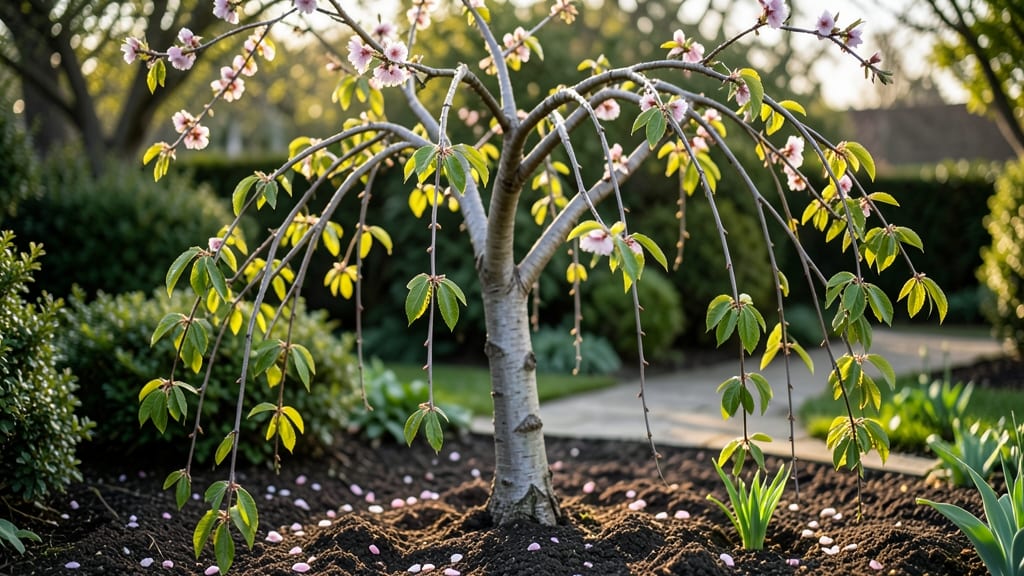
Cold-hardy weeping peach trees thrive in USDA zones 5-8, where winter chill helps them produce sweeter fruit. 🌸 I learned this the hard way after my first tree nearly died in a late frost—until I switched to a variety bred for resilience.
The key isn’t just the zone; it’s matching the right cultivar to your last frost date and microclimate.
These trees need full sun (6+ hours daily) and well-draining soil with a pH between 6.0-7.0. In colder zones (5-6), choose varieties like 'Bonanza' or 'Redhaven' that handle down to -10°F with proper winter protection.
Mulch heavily in fall and wrap the trunk in burlap to prevent sunscald. The payoff? Lush, cascading branches loaded with fruit by mid-summer.
Pruning is where most gardeners trip up—cut back dead wood in late winter, but avoid heavy pruning until after flowering. Thin branches to improve airflow, which cuts down on peach leaf curl disease.
With the right care, your weeping peach will reward you with years of shade and harvests, even in marginal climates.
For colder microclimates (zones 4-5), consider growing against a south-facing wall or planting near a heat-retaining structure. Container growing works too, though you’ll need to winterize pots with extra insulation.
The secret? Start with a grafted tree from a reputable nursery—it’s the difference between a struggling sapling and a thriving centerpiece.
📚 In This Guide
- What you need
- Instructions
- Tips and common mistakes
- Wrapping up and next steps
What you need
- ● Cold-hardy peach tree saplings: 1-3 (choose varieties like ‘Reliance,’ ‘Contender,’ or ‘Redhaven’ for zones 5-7).
- ● High-quality potting soil or garden soil: 5+ bags (amend with compost for better drainage).
- ● Organic mulch: 2-3 bags (straw or wood chips to retain moisture and insulate roots).
- ● Slow-release fertilizer: 1 (10-10-10 or 5-10-10 NPK ratio, ~1 lb per tree).
- ● Pruning tools: Bypass pruners (sharp, clean, and sterilized with rubbing alcohol).
- ● Loppers (for thicker branches).
- ● Hand saw (for large limbs, if needed).
- ● Garden gloves: 1 pair (cut-resistant for safety).
- ● Watering can or hose with a gentle spray nozzle: 1 (for post-pruning hydration).
- ● Tree wrap or protective covering: 1 roll (to shield bark from winter sunscald).
- ● Soil moisture meter (to monitor root health).
- ● Drip irrigation system (for consistent watering).
- ● Pest control spray (neem oil or horticultural oil for aphids/mites).
- ● Staking kit (if planting in windy areas).
- ● Grafting tools (if propagating from cuttings).
How to select and plant cold-hardy weeping peach trees
Here’s my go-to method for choosing and establishing weeping peach varieties that thrive in colder climates.
☀️ Step 1: Identify Your Hardiness Zone and Variety
First, check your USDA hardiness zone—most weeping peach trees handle zones 5-8, but some cold-tolerant varieties like ‘Bonanza’ or ‘Redhaven’ extend to zone 4 with winter protection. I always verify the exact variety’s cold tolerance on the nursery tag, since even within zones, microclimates matter.
Look for dwarf rootstock options if space is limited—they’ll produce fruit sooner and are easier to manage. I’ve found that grafting weeping branches onto standard peach rootstock creates a stunning, fruit-bearing tree that fits tight spaces beautifully. Just ensure the graft union is above the soil line to prevent rot.
🌱 Step 2: Prepare the Planting Site for Winter Survival
Choose a spot with full sun (6-8 hours daily) and well-draining soil—peaches hate soggy roots. I always test soil pH (ideal is 6.0-6.5) and amend with 2-3 inches of compost mixed into the top 12 inches of soil. For colder zones, add 1-2 inches of mulch (like wood chips) after planting to insulate roots.
Dig a hole twice as wide as the root ball but only as deep—planting too deep suffocates roots. Loosen the root ball slightly if it’s tightly bound, then backfill with native soil (not amended soil) to avoid disturbing roots. Water deeply immediately to settle soil around roots and eliminate air pockets.
🪴 Step 3: Plant and Protect for First Winter
Set the tree at the same depth it was in the container, then firm soil gently with your hands. I stake young trees (especially weeping varieties) to prevent wind damage—use two stakes at a 45-degree angle tied loosely with soft fabric. Over-tightening can girdle the trunk as it grows.
For zones 4-5, wrap the trunk with tree wrap or burlap in late fall to shield against sunscald, then mound 6-8 inches of mulch around the base (but not touching the trunk). Avoid heavy mulch piles—too much moisture can rot roots. Water deeply once a month during winter if snow cover is minimal.
✂️ Step 4: Prune for Cold Resilience and Shape
Prune in late winter (before buds swell) to remove dead, crossing, or weak branches. I always cut back 1/3 of the weeping branches in the first year to encourage stronger growth. Avoid heavy pruning in fall—it stresses trees before winter dormancy.
Shape the tree to open the canopy for airflow, which reduces disease risk. Thin out branches to let sunlight reach the center—peaches need light to ripen fruit. Seal pruning cuts with tree wound paint only if cuts are larger than 1/4 inch in diameter to prevent bacterial entry.
🌿 Step 5: Monitor and Adjust for Long-Term Cold Success
Watch for sunscald (brown patches on winter sun-exposed bark) and cracked bark—both signal insufficient winter protection. If you see damage, apply a white latex paint to the trunk in late fall for extra insulation. In zones 4-5, consider a tree blanket for the first few winters until the tree establishes a strong root system.
Fertilize lightly in early spring with 10-10-10 (1/2 cup per year of tree age) to avoid overstimulating growth before cold snaps. I’ve found that cold-hardy weeping peaches reward patience—full fruit production often takes 3-5 years, but the unique branching and sweet fruit make it worth the wait.
Tips & tricks for perfect cold-hardy weeping peach trees
Between us, these cold-hardy varieties need a little extra TLC to thrive in chilly climates—and I’ve learned these tricks after watching too many trees suffer from winter damage. Here’s what actually works.
Variety Selection: When choosing your weeping peach, prioritize named cold-tolerant varieties like ‘Bonanza’ or ‘Redhaven’ for zones 4-5. I’ve found that grafted trees (weeping branches on standard rootstock) handle cold better than fully weeping varieties, especially in harsh winters. Always check the nursery tag—some labeled "cold-hardy" still need winter protection. The graft union should sit about 2 inches above the soil line to prevent rot from moisture buildup.
Soil Preparation: The 2-3 inches of compost in the top 12 inches of soil isn’t just about nutrients—it improves drainage, which peaches absolutely hate being soggy. For zones 4-5, mix in an extra 1 inch of coarse sand if your native soil feels heavy. I test pH before planting; if it’s below 6.0, add lime to reach that sweet spot of 6.0-6.5. The mulch (1-2 inches) isn’t just decoration—it’s insulation that keeps roots from freezing in winter.
Winter Protection: That 6-8 inches of mulch around the base (not touching the trunk!) is crucial for zones 4-5. I’ve seen trees survive brutal winters with this simple layer—just avoid piling it too high, or you’ll trap moisture and invite rot. For extra protection, wrap the trunk with tree wrap or burlap in late fall, and consider a tree blanket for the first few winters. The key is balancing insulation with airflow to prevent moisture buildup.
Pruning Strategy: Cutting back 1/3 of those weeping branches in the first year might seem drastic, but it forces the tree to focus on establishing a strong root system before producing fruit. I prune in late winter (before buds swell) to avoid stressing the tree before dormancy. For larger cuts (over 1/4 inch), seal with tree wound paint to prevent bacterial infections—this is especially important in wet climates where peach trees are prone to diseases.
Pro Tips for Weeping Peach Tree Zone
- Between us, these cold-hardy varieties need a little extra TLC to thrive in chilly climates—and I’ve learned these tr...
- Variety Selection: When choosing your weeping peach, prioritize named cold-tolerant varieties like ‘Bonanza’ or ‘Redh...
- Soil Preparation: The 2-3 inches of compost in the top 12 inches of soil isn’t just about nutrients—it improves drain...
Frequently asked questions
about the Weeping Peach Tree Zone—because growing these beauties comes with its own set of curious minds (and sometimes, panicked Google searches at 2 AM). Here’s what we hear most often:What exactly is the "Weeping Peach Tree Zone," and how do I know if I live in one?
The Weeping Peach Tree Zone refers to USDA Hardiness Zones 5-8, where cold-hardy peach varieties thrive without winter dieback. Check your zone here—if you’re in 5-8, you’re golden! Outside this? Opt for greenhouse-grown trees or microclimate spots (like south-facing walls).
When’s the best time to plant a weeping peach tree in my zone?
Plant in early spring or fall (4-6 weeks before first frost). Spring lets roots establish before summer heat, while fall gives them a head start in cooler months. Avoid winter planting—frost can stress young roots. Pro tip: Water deeply after planting and mulch to retain moisture!
Can I grow a weeping peach tree in a container? Are there dwarf varieties?
Yes! Dwarf weeping peaches (like ‘Bonanza’ or ‘Redhaven’ grafted on Lovell rootstock) work well in 15-gallon+ containers. Ensure drainage, use a high-quality potting mix, and move pots to a sheltered spot in winter. Just know: container trees may need extra winter wraps in Zone 5.
How do I protect my weeping peach tree from late spring frosts?
Late frosts can ruin blossoms (and your fruit dreams!). Use frost cloths or row covers on chilly nights. Avoid overhead watering before frost—wet leaves freeze faster. Bonus: Plant near a heat-retaining wall or group trees together for shared warmth.
Why are my weeping peach tree’s leaves turning yellow? Is it normal?
Yellow leaves often signal nutrient deficiencies (like iron or zinc) or overwatering. Check soil moisture—peaches hate soggy roots! If it’s spring, it might be normal flushing (old leaves making way for new). Test soil pH (ideal: 6.0–7.0) and amend with compost if needed. Red flag: Yellow with brown edges = possible fungal issue (treat with neem oil).
Do weeping peach trees need cross-pollination to produce fruit?
Most do! While some varieties (like ‘Bonanza’) are self-pollinating, planting 2+ trees (even different varieties) boosts fruit set. Bees love weeping peaches—just ensure trees bloom at similar times. Fun fact: Weeping branches make it easier for pollinators to access flowers!
Wrapping up and next steps
Choosing the right weeping peach tree for your Zone 5-7 climate can transform your garden into a lush, fruity paradise! 🌳 These cold-hardy varieties thrive with proper care, offering both beauty and delicious rewards.
Whether you’re a seasoned gardener or just starting, your effort will pay off in vibrant blooms and sweet harvests.
Ready to take the next step? Start by selecting your favorite variety—like the Reliance or Redhaven—then gather your tools and get pruning! With patience and love, your weeping peach tree will flourish for years to come. Happy gardening! 🌱