
Trees
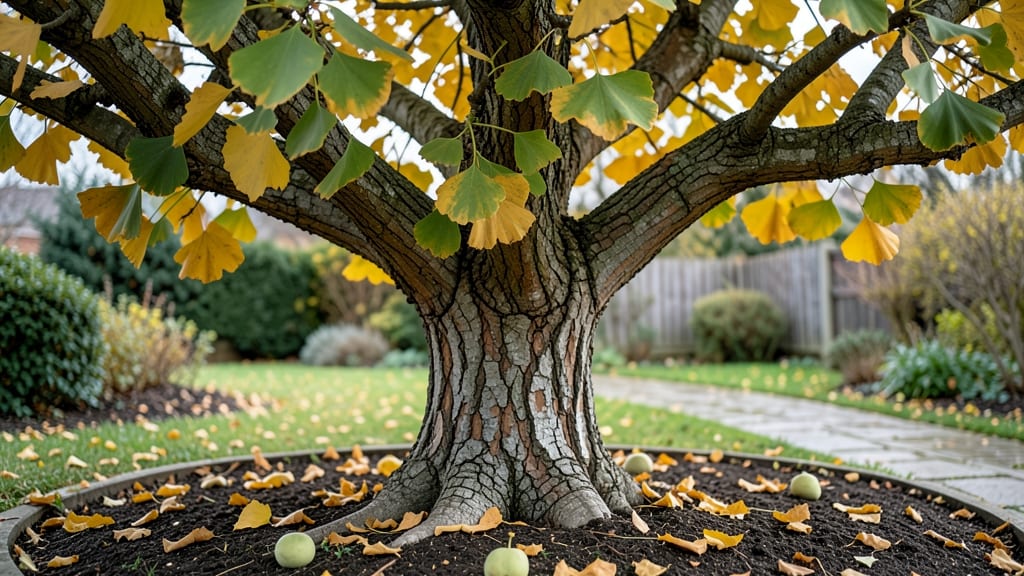
Your ginkgo tree’s yellow leaves might be nature’s way of turning your yard into a golden masterpiece—but not always. 🌿 I’ve seen ginkgos go from lush green to autumn gold too soon, and the fix is simpler than you’d think.
Most of the time, it’s just a matter of checking soil, water, and a few other key details before panic sets in.
The real culprits? Iron deficiency (common in alkaline soils), overwatering, or even a pest stowaway like spider mites. I’ve fixed yellowing ginkgo leaves by adjusting watering schedules, adding a slow-release iron supplement, or giving the roots some breathing room with mulch.
The good news? These trees are tough—they’ll bounce back faster than you’d expect once you address the root cause.
Start with a quick soil test (or pH kit) to rule out nutrient issues, then inspect the leaves for tiny webs or specks that might mean pests. A deep watering once a week—about 10-15 gallons for mature trees—often works wonders.
Within 4-6 weeks, you’ll see fresh green growth pushing through, and those yellow leaves will be history.
If the problem persists after trying these fixes, it might be time to call in an arborist—especially if you notice wilting, browning edges, or stunted growth. But honestly? Most ginkgo leaf issues clear up with a little TLC and patience. These trees are survivors, after all.
Root Causes Behind Yellowing Ginkgo Leaves
When your ginkgo tree’s leaves turn a stunning golden hue, it’s often a natural part of its seasonal cycle—but sometimes, it’s a cry for help. Understanding why this happens is the first step to restoring your tree’s health or embracing its seasonal beauty.
Below, we break down the most common reasons, from environmental stressors to hidden health issues, so you can take action with confidence.
The ginkgo tree (Ginkgo biloba) is famous for its golden autumn foliage, a trait inherited from its prehistoric ancestors. Unlike deciduous trees that drop leaves in a single burst, ginkgos often gradually yellow and shed over weeks or even months—starting in late summer and peaking in fall.
- Why it happens: Ginkgos are deciduous conifers, meaning they rely on photoperiodism (daylight length) to trigger leaf senescence. As daylight shortens, chlorophyll production slows, and carotenoids (yellow pigments) take over. This is 100% natural and not a sign of disease.
- Actionable tip: If leaves are yellowing uniformly across the tree and dropping slowly, it’s likely seasonal. Celebrate the change—this is your ginkgo’s annual masterpiece!
- Red flag: Sudden, patchy yellowing before fall (e.g., June–August) or leaves curling/browning without golden hues may signal stress.
Ginkgo trees are resilient but hate soggy feet or drought. Water stress is a top culprit for premature yellowing, often mimicking seasonal changes but with key differences.
| Symptom | Cause | What to Do |
|---|---|---|
| Leaves yellow along edges or appear scorched. | Underwatering (dry soil, cracked ground). Ginkgos need 1–1.5 inches of water weekly (more in extreme heat). |
|
| Yellowing between leaf veins (chlorosis), wilting, or mushy bark at the base. | Overwatering or poor drainage. Ginkgos detest “wet feet” and are prone to root rot in clay or compacted soil. |
|
Ginkgos thrive in full sun but can yellow or crisp when pushed beyond their limits. Heatwaves, strong winds, and even reflective surfaces (like pavement) can cause stress.
- Sun scorch:
- Leaves turn yellow or brown with crispy edges, often on the southwest side of the tree.
- Why it happens: Intense afternoon sun (especially after a cool night) burns leaf tissue faster than the tree can protect itself.
- Fix it: Provide afternoon shade (e.g., temporary shade cloth) during heatwaves. Mature ginkgos develop thicker bark over time and tolerate sun better.
- Wind damage:
- Leaves yellow unevenly or tear easily. Young trees are most vulnerable.
- Why it happens: Wind desiccates leaves (dries them out) and can physically damage stems.
- Fix it: Plant ginkgos 15–20 feet from buildings/walls to break wind. For exposed sites, use windbreaks (e.g., evergreen shrubs).
- Air pollution or salt buildup:
- Leaves yellow along streets or near sidewalks, often with a brownish cast.
- Why it happens: Ginkgos are sensitive to ozone, sulfur dioxide, and road salt. Urban trees may suffer from chlorosis (iron deficiency) due to alkaline soil.
- Fix it:
- Apply chelated iron (e.g., iron sulfate) in early spring if soil pH is high.
- Flush soil with water to remove salt buildup in winter.
- Use acid-loving mulch (pine needles, peat) to lower soil pH gradually.
Ginkgo trees are light feeders but can develop yellowing if deprived of key nutrients. Unlike many trees, they’re particularly sensitive to iron and zinc deficiencies, which often show as interveinal chlorosis (yellowing between veins).
| Nutrient Deficiency | Symptoms | Solution | |||||||||
|---|---|---|---|---|---|---|---|---|---|---|---|
| Iron (Fe) |
|
|
|||||||||
| Zinc (Zn) |
Revive Your Ginkgo’s GlowYellowing leaves on your ginkgo tree might feel like a seasonal mystery, but the good news? Most causes have simple fixes—even if your tree is already turning golden. Below, we’ll map each likely culprit to a step-by-step solution, plus pro tips to keep your ginkgo thriving year-round. Let’s get those leaves back to their vibrant best! If your ginkgo’s leaves are pale yellow (not just autumn hues), it’s likely starving for key nutrients. Ginkgos are heavy feeders, and soil depletion happens fast—especially in urban or high-traffic areas. 🍂 Step 1: Test Your Soil (Know Before You Grow)Before grabbing a bag of fertilizer, check what’s missing! Use a soil test kit (available at garden centers for ~$15) to measure: - Nitrogen (N) – Needed for leafy green growth (low N = yellowing). - Iron (Fe) – Crucial for chlorophyll (yellow leaves with green veins = iron deficiency). - Magnesium (Mg) – Lack of it causes yellowing between veins (like a "V" pattern). 💡 Pro Tip: If testing isn’t an option, start with a balanced 10-10-10 fertilizer (equal parts N-P-K) in early spring. For iron deficiency, use chelated iron supplements (like Ironite) every 4–6 weeks during growing season. 🍽️ Step 2: Feed the Right WayWork it into the top 6 inches of soil. - For quick fixes: Use a slow-release granular fertilizer (like Osmocote) in spring and again in midsummer. Follow package rates—overdoing it burns roots! - For iron deficiency: Mix 1 tbsp of Epsom salt (magnesium sulfate) into 1 gallon of water and spray on leaves every 2 weeks until color improves. 🌱 Prevention:✅ Mulch annually with 2–3 inches of organic mulch (wood chips, pine straw) to retain moisture and nutrients. ✅ Avoid compacted soil—ginkgos hate heavy, clay-heavy ground. Amend with compost or perlite if your soil is dense. ✅ Water deeply 1–2 times per week (1 inch total) during dry spells. Yellowing from thirst often looks like nutrient issues! Ginkgos hate soggy feet. Yellow leaves with wilting or brown edges (especially in spring/fall) signal overwatering or root rot. Poor drainage is the usual suspect—especially in clay soil or if the tree sits in a low spot. 🚿 Step 1: Check the RootsGently dig around the outer edge of the root zone (about 12 inches from the trunk). Healthy roots should be: If roots smell rotten or look slimy, root rot is the issue. 🔧 Step 2: Fix the Drainage💦 Step 3: Adjust Watering💡 Pro Tip: If your ginkgo is in a container, ensure the pot has drainage holes and use a well-draining mix (60% soil, 30% perlite, 10% compost). 🌡️ Prevention:✅ Plant in well-draining soil—avoid low spots or areas where water pools. ✅ Avoid overhead watering—use a soaker hose or drip irrigation to keep leaves dry. ✅ Mulch properly—keep mulch 3–4 inches deep but 6 inches away from the trunk to prevent rot. Ginkgo leaves can yellow from sudden sun exposure (like after pruning) or extreme heat/drought. If the yellowing is patchy or on one side, environmental stress is likely. 🌞 Step 1: Gradual Acclimation💦 Step 2: Beat the Heat🌬️ Step 3: Wind ProtectionGinkgos are tough, but strong winds dry out leaves fast. If yellowing is on the windward side: 💡 Pro Tip: Mist leaves in extreme heat (early morning or late evening) to reduce stress—just don’t overdo it, or you’ll encourage fungal issues. ✨ Prevention:✅ Choose the right spot—ginkgos need full sun (6+ hours/day) but hate scorching afternoon heat in hot climates. ✅ Water consistently—inconsistent moisture causes more stress than drought. ✅ Monitor pests—stressed trees attract spider mites or scale, which worsen yellowing. Yellowing leaves can be a pest party or fungal infection. Look for: 🐞 Step 1: Identify the Culprit🧼 Step 2: Treat It
💡 Pro Tip: Encourage beneficial insects—ladybugs and lacewings eat pests! Plant marigolds or dill nearby to attract them. 🛡️ Prevention:✅ Inspect leaves weekly—catch pests early! ✅ Prune infected branches immediately and dispose of them (don’t compost). ✅ Avoid overhead watering—wet leaves = fungal buffet. Need fast results? Try these emergency fixes: Frequently asked questions
1
Is it normal for ginkgo leaves to turn yellow before fall?Not usually! While ginkgos are famous for their golden autumn foliage, premature yellowing (before late summer) often signals stress. Check for uneven yellowing—if it’s patchy or appears with brown edges, it’s likely water stress, nutrient deficiency, or pests. Healthy seasonal change happens gradually and uniformly across the tree.
2
How do I tell if my ginkgo’s yellow leaves are from iron deficiency?Look for bright yellow leaves with green veins—this classic interveinal chlorosis is the telltale sign of iron deficiency. Ginkgos often struggle in alkaline soil (pH > 7.0). Test your soil and apply chelated iron (like Ironite) in early spring if this matches your tree’s symptoms.
3
Can overwatering cause ginkgo leaves to yellow?Ginkgos hate soggy roots. Yellow leaves with wilting or mushy bark at the base are classic overwatering signs. Let the top 2 inches of soil dry between waterings, and ensure the planting site has good drainage. If roots smell rotten, you may need to improve soil aeration with compost.
4
What’s the fastest way to fix nutrient-deficient ginkgo leaves?For an immediate boost, mix 1 tbsp Epsom salt (magnesium) with 1 gallon of water and spray on leaves every 2 weeks. For iron deficiency, use foliar spray with chelated iron (like Sea90) during early morning hours. Pair this with organic mulch to prevent future nutrient loss.
5
Should I prune yellow leaves off my ginkgo?Only prune dead or diseased branches—never remove healthy yellow leaves. Pruning stimulates new growth but can stress the tree. Instead, focus on fixing the root cause (water, nutrients, or pests). If the yellowing is seasonal, leave the leaves—they’ll provide nutrients as they decompose. |