
Leaf Blower
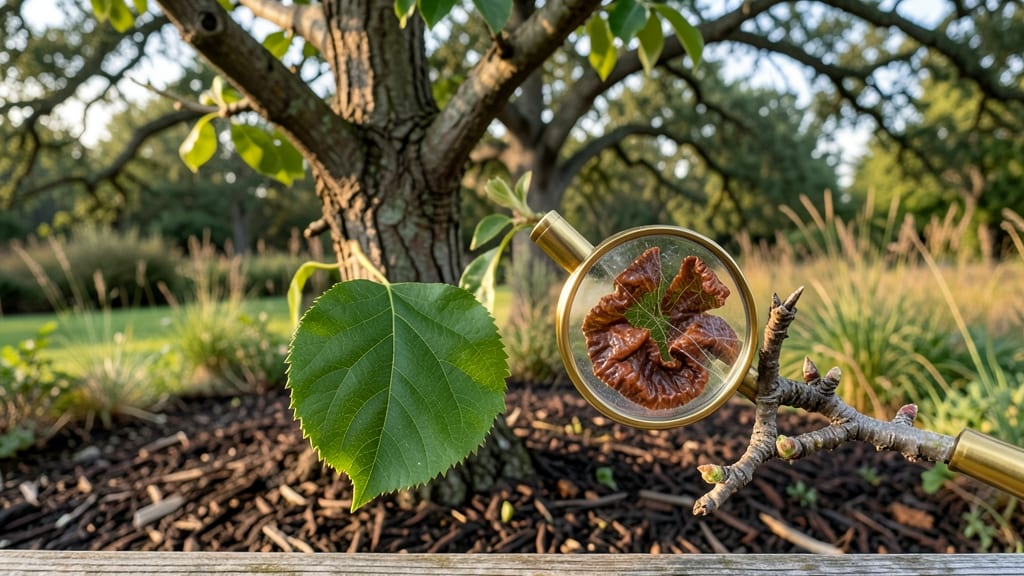
Your peach tree problems with leaf curl aren’t just ugly—they’re a fungal infection that spreads fast if you ignore it. 🌿 I’ve watched this disease turn healthy trees into shadows of themselves, but there’s a way to stop it before it ruins your harvest.
The key is acting early with the right treatments, whether you prefer organic methods or chemical solutions.
This fungus thrives in cool, wet springs, so timing matters. You’ll spot thickened, puckered leaves in early spring—sometimes even before buds break. The good news? Pruning infected branches and applying fungicide at the right time can save your tree.
I’ve seen trees recover completely when treated within the first two weeks of symptoms.
By the end of summer, you’ll have a tree that looks normal again, with no more curled leaves or stunted growth. The secret is combining pruning, fungicide sprays, and choosing resistant varieties for next season.
Even if you’ve lost a tree before, this method works—just start now before the fungus gets worse.
Whether you’re dealing with a young tree or a mature one, these steps apply. The sooner you act, the better your chances of saving your peach tree—and your fruit crop. Let’s get to it before the damage spreads further.
Root Causes Of Leaf Curl
Peach tree leaf curl isn’t just an unsightly nuisance—it’s a fungal infection caused by Taphrina deformans, a microscopic pathogen that thrives in damp, chilly conditions. Understanding the why behind this problem is the first step to stopping it in its tracks.
Below, we break down the key factors that turn your lush peach tree into a leaf-curl victim.
The Taphrina deformans fungus spreads primarily through water—whether from rain, dew, or overhead irrigation. Here’s how it works:
- Spores germinate when temperatures hover between 50–70°F (10–21°C), especially after prolonged dampness (like spring showers or foggy mornings).
- Cold snaps trigger outbreaks: The fungus overwinters in infected buds and bark, then explodes with new spores when temperatures rise after frost.
- Poor air circulation (e.g., dense foliage, shaded trees) traps moisture, giving spores a perfect breeding ground.
💡 Pro Tip: If your tree is in a low-lying area or gets morning dew for hours, it’s high-risk. 🌧️
Healthy peach trees resist leaf curl better, but stress makes them vulnerable. Common weak spots:
| Stress Factor | How It Helps the Fungus |
|---|---|
| Nutrient deficiencies (e.g., nitrogen, zinc, or potassium) | Weakened leaves can’t fight off spores as effectively. |
| Overwatering or drought | Both disrupt root health, making trees less resilient to pathogens. |
| Physical damage (pruning wounds, hail, or pests) | Open wounds let spores penetrate the tree’s defenses. |
| Young or newly planted trees | Immature bark and buds are easier targets for fungal colonization. |
✨ Actionable Fix: Test your soil for deficiencies and 🌱 prune strategically to avoid stress.
Leaf curl doesn’t just attack one tree—it’s contagious. Here’s how proximity fuels the problem:
- Spores hitchhike on wind, rain, or tools (like pruners) to nearby trees.
- Infected leaves drop to the ground, releasing spores that re-infect the same tree or others.
- Shared equipment (e.g., ladders, clippers) can transfer spores between orchards.
🔥 Warning: If you’ve got peach trees planted in rows or a home orchard, isolate infected trees immediately to prevent a full outbreak. 🍃
Now that you know why leaf curl strikes, the next step is 🚀 prevention and treatment. Stay tuned!
Quick Fixes for Peach Tree Leaf Curl
Peach tree leaf curl can feel like a losing battle, but with the right approach, you can restore your tree’s health and prevent future outbreaks. Below are targeted solutions for the most common causes—fungal infections, environmental stress, and poor maintenance—along with prevention tips to keep your tree thriving.
If your peach tree’s leaves are curling, puckering, and turning reddish-brown, fungal leaf curl is likely the culprit. Here’s how to tackle it:
🔥 Step 1: Prune Infected Branches
- 🔪 Remove all curled, distorted, or discolored leaves and branches immediately—fungus spreads fast!
- Sterilize pruners with rubbing alcohol (70% or higher) between cuts to avoid cross-contamination.
- 💡 Pro Tip: Focus on young shoots first, as they’re most vulnerable.
🍳 Step 2: Apply Fungicide
- Copper-based fungicides (like copper hydroxide or copper sulfate) are the gold standard for fungal leaf curl.
- Spray thoroughly on both sides of leaves and branches, including the undersides (where spores hide).
- Best timing: Apply before bud break in early spring (when fungus spores activate) and again after harvest.
- Organic option: Neem oil (mix 1–2 tbsp per gallon of water + a drop of dish soap) can help suppress mild infections.
👨🍳 Step 3: Improve Air Circulation
- 🌿 Thin out dense branches to allow sunlight and airflow—fungus thrives in damp, shaded areas.
- 🌡️ Avoid overhead watering—water at the base of the tree instead to keep foliage dry.
✨ Prevention for Next Year
- 🎯 Plant resistant varieties (e.g., ‘Redhaven’ or ‘Elberta’ peaches are less susceptible).
- 🍎 Remove fallen leaves in autumn and destroy them (don’t compost!) to eliminate overwintering spores.
- 🌿 Mulch properly with wood chips or straw (keep 2–3 inches away from the trunk to prevent moisture buildup).
If leaf curl is not fungal but caused by heat, cold, or drought, your tree needs supportive care to bounce back:
💧 Hydrate Deeply & Consistently
- 🌧️ Water deeply 1–2 times per week (depending on climate) to prevent wilting.
- 📊 Check soil moisture—stick your finger 2 inches deep; if dry, water thoroughly.
- 💡 Pro Tip: Drip irrigation is best—it delivers water slowly and directly to roots.
🌿 Provide Shade & Mulch
- 🌳 If in extreme heat, use shade cloth (30–50%) during peak sun (10 AM–4 PM).
- 🍂 Apply 3–4 inches of mulch (avoid fresh grass clippings—they mat down and trap moisture).
- ❄️ For cold stress: Wrap the trunk with burlap or tree wrap in late fall to prevent sunscald.
🍎 Nutrient Boost for Recovery - 📊 Test soil pH (ideal: 6.0–6.5 for peach trees).
Amend with lime (to raise pH) or sulfur (to lower it) if needed. - 💪 Fertilize lightly with a balanced 10-10-10 or 6-6-6 formula in early spring (avoid high-nitrogen fertilizers—they encourage leafy growth over fruit).
Neglect can weaken trees, making them susceptible to curl. Here’s how to revitalize a struggling peach tree:
🍳 Step 1: Clean Up Debris
- 🧹 Remove all dead leaves, branches, and weeds within a 6-foot radius of the tree.
- 🔥 Burn or bag debris (do not leave it near the tree—it spreads disease).
👨🍳 Step 2: Check for Pests
- 🐜 Look for signs of aphids, mites, or scale insects (sticky residue on leaves = sap-sucking pests).
- 💡 Fix: Spray with soapy water (1 tbsp mild dish soap + 1 quart water) or horticultural oil.
⏰ Step 3: Adjust Pruning Schedule
- ✂️ Prune in late winter/early spring (before buds swell) to remove dead, crossing, or weak branches.
- 🌿 Avoid heavy pruning in summer—it stresses the tree and invites disease.
🎯 Long-Term Maintenance Plan
- 📅 Prune annually to maintain an open canopy (allows sunlight and airflow).
- 🍎 Monitor for new growth—healthy leaves should be green, firm, and free of spots.
- 🌿 Consider a tree growth regulator (like Paclobutrazol) if your tree is overproducing weak shoots.
Final Reminder: 🌟 Act fast—the sooner you treat leaf curl, the better your tree’s chances of recovery! With proper pruning, fungicides, and care, your peach tree can bounce back stronger than ever. 🍑💚
Frequently asked questions
What do peach tree leaves look like when infected with leaf curl?
Infected leaves start as thickened, puckered, and curled with a reddish-brown color. They often appear warty or leathery to the touch. New growth may show distorted buds that fail to open properly. The undersides of leaves sometimes develop a white, powdery coating from fungal spores.
Is peach leaf curl contagious to other fruit trees?
Yes, the fungus Taphrina deformans can spread to other stone fruit trees like plums, apricots, and cherries. Spores travel via wind, rain, or contaminated tools. Isolate infected trees immediately and sterilize pruners with 70% rubbing alcohol between cuts to prevent cross-contamination.
Can I save my peach tree if it already has leaf curl?
Act fast by pruning all infected branches and applying copper fungicide before bud break. Remove fallen leaves and improve airflow by thinning dense branches. With consistent care, most trees recover fully within 1-2 seasons. The key is catching it early and treating aggressively.
What's the best organic treatment for peach leaf curl?
For organic control, use a neem oil spray (1-2 tbsp per gallon of water) combined with baking soda (1 tsp). Apply in early spring and again after harvest. Copper fungicides like copper hydroxide are also organic-approved and highly effective when used as directed.
Will my peaches still be edible if the tree has leaf curl?
Yes, the fruit itself isn't infected, but severely affected trees may produce smaller yields or lower-quality fruit. The disease primarily attacks leaves and buds. Focus on treating the tree to restore its health and ensure better harvests next season. The fruit remains safe to eat even on infected trees.