
Light Requirements
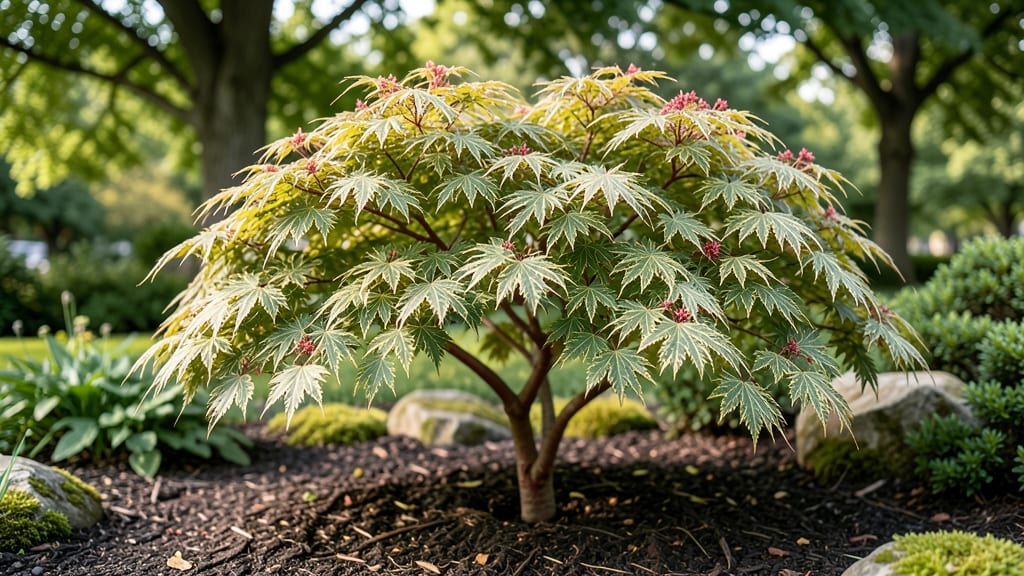
That striking contrast of dark and light green leaves transforms any garden into a living painting. 🌿 I’ve used trees like the Japanese Maple and Variegated Holly to create dramatic focal points—think bold shadows and sunlit highlights dancing across the yard.
The secret lies in their natural patterns: some leaves are deep emerald, others pale lime, and together they create a visual rhythm that works year-round. These trees thrive in partial shade, making them perfect for underplanting near patios or as standalone statement pieces.
Pair them with silver foliage plants like lamb’s ear or dusty miller to amplify the contrast, and watch how the colors shift with sunlight. The effect isn’t just pretty—it’s architectural, adding depth and movement to even the simplest garden layout.
What you’ll love most is how these trees hold their color through all seasons. While other plants fade into winter browns, these keep their jewel-toned drama, making them the unsung heroes of year-round interest. They’re also low-maintenance once established, so you get beauty without the fuss.
For best results, plant them where they’ll get morning sun and afternoon shade—this preserves their variegation and prevents leaf scorch. If your garden leans formal, use them as structured accents; if it’s more wild, let them grow naturally for a whimsical touch. Either way, they’ll steal the show.
📚 In This Guide
- What you need
- Instructions
- Tips and common mistakes
- Wrapping up and next steps
What you need
- ● Tree Selection: A variegated tree like Cornus controversa 'Variegata' (Page Tree), Fatsia japonica 'Variegata', or Prunus serrulata 'Kanzan Variegata' (Cherry Blossom with variegated leaves). Ensure it’s hardy in your USDA zone.
- ● Planting Hole: 2–3x wider than the root ball
- ● Deep enough to accommodate the entire root system (check the tree’s pot for depth cues).
- ● High-Quality Soil: 1–2 cubic yards of well-draining potting mix (e.g., 50% native soil + 50% compost) or organic mulch (e.g., pine bark or shredded hardwood).
- ● Fertilizer: 1–2 lbs of slow-release, balanced fertilizer (e.g., 10-10-10 NPK ratio) or organic options like fish emulsion or bone meal.
- ● Shovel (round-point or spade)
- ● Garden fork (for loosening soil)
- ● Wheelbarrow (for transporting soil/amendments)
- ● Gloves (heavy-duty for digging)
- ● Watering can or hose (with adjustable nozzle)
- ○ Mulching tool (optional, for even spreading)
- ● Tree Stake & Ties: For young trees in windy areas (1–2 stakes + soft fabric ties).
- ● Mulch: 2–3 inches of wood chips or straw to retain moisture and suppress weeds.
- ● Soil pH Tester: To ensure your soil is slightly acidic to neutral (6.0–7.0)—variegated trees thrive in this range.
- ● Pruning Shears: For shaping or removing damaged branches post-planting.
How to select and plant a variegated tree for year-round visual impact
Here's how to choose and establish a striking tree with dark and light green foliage for lasting garden drama.
🌱 Step 1: Identify the Right Tree for Your Climate and Space
Start by matching the tree to your growing zone and available space. Popular choices like the Emerald 'n' Gold Euonymus or Variegated Japanese Maple thrive in zones 5-9 and reach 10-20 feet at maturity. Smaller options like Dwarf Golden Privet (6-8 feet) work well for tight spaces.
Check the tree's mature size against your property—you'll want at least 10 feet of clearance from structures for proper airflow and sunlight. I always measure the space with a tape measure before purchasing, because outgrowing the area leads to pruning headaches later.
☀️ Step 2: Choose the Perfect Planting Location
Most variegated trees need full sun to partial shade (6+ hours of sunlight daily) to maintain their striking color contrast. A spot with morning sun and afternoon shade often brings out the best variegation. Observe your yard's light patterns for a week before planting to find the ideal balance.
Well-draining soil is critical—these trees hate soggy roots. If your soil feels heavy when squeezed, amend with 2-3 inches of compost mixed into the top 12 inches of soil. I like to dig a hole twice as wide as the root ball but only as deep—planting too deep suffocates the roots and causes stress.
🪴 Step 3: Prepare and Plant the Tree
Remove the tree from its container and loosen any circling roots with your fingers—this encourages outward growth. Place it in the hole so the top of the root ball sits level with the surrounding soil (never buried deeper). The tree's natural flare at the base should be visible above ground.
Backfill with native soil mixed with 1 part compost to improve drainage and fertility. Water deeply to settle the soil, then add 2-3 inches of mulch (keeping it 6 inches away from the trunk) to retain moisture and regulate temperature. This mulch ring prevents soil from splashing onto the trunk and causing disease.
💧 Step 4: Establish Watering and Care Routines
Water deeply 2-3 times per week for the first month, then taper to once a week once established. Check moisture by sticking your finger 2 inches into the soil—if it feels dry, water again. Overwatering is the #1 killer of newly planted trees, so always let the top inch dry out between waterings.
Fertilize in early spring with a balanced, slow-release fertilizer (10-10-10 ratio) to support new growth. Avoid high-nitrogen fertilizers—they can burn delicate variegated leaves. Prune only to remove dead or crossing branches in late winter, using clean, sharp pruners to prevent disease spread.
⏰ Step 5: Monitor and Maintain for Long-Term Beauty
Watch for leaf scorch (brown edges) in hot summers—a sign of too much sun or underwatering. If this happens, provide afternoon shade with a lightweight shade cloth or move potted trees to a shadier spot. Variegated trees often struggle in extreme heat without protection.
Inspect for pests like scale or spider mites on the undersides of leaves. A strong spray of water usually dislodges them, but severe infestations may require neem oil treatment. Regularly check the tree's structure in early spring—removing weak branches prevents wind damage and keeps the tree's striking silhouette intact.
Tips & tricks for perfect variegated tree planting
These simple strategies will help you create a showstopping garden feature that thrives year after year.
Location Scouting: I can't stress enough how critical it is to observe your yard's sunlight patterns for a full week before planting. Use a notebook to track which areas get morning sun versus afternoon shade—this helps you pinpoint exactly where to place your tree for maximum variegation contrast. The morning sun brings out the lighter green hues while afternoon shade protects the delicate variegation from fading.
Soil Prep Secret: When amending your planting hole with compost, mix it thoroughly with the native soil rather than creating a compost "pocket." This ensures even moisture distribution and prevents root burn from concentrated organic matter. I like to use a garden trowel to thoroughly blend the 2-3 inches of compost into the top 12 inches of soil—this creates a gradual transition that roots will appreciate.
Planting Depth Check: The most common mistake I see is planting too deep, which suffocates the roots. After placing your tree in the hole, press gently on the soil—if the top of the root ball sits below ground level, you've gone too far. The natural flare at the base of the trunk should be visible above the soil line. This simple visual check prevents years of root stress.
Mulch Application: That 2-3 inches of mulch you add after planting serves three crucial purposes: moisture retention, temperature regulation, and weed suppression. The key is keeping it 6 inches away from the trunk to prevent moisture buildup that can cause rot. I use shredded hardwood mulch because it breaks down slowly and maintains its protective properties for months.
Pro Tips for Tree With Dark And Light Green Leaves
- These simple strategies will help you create a showstopping garden feature that thrives year after year.
- Location Scouting: I can't stress enough how critical it is to observe your yard's sunlight patterns for a full week before planting.
- Soil Prep Secret: When amending your planting hole with compost, mix it thoroughly with the native soil rather than creating a compost "pocket."
Frequently asked questions
Got questions about trees with dark and light green leaves? You’re not alone! Here are some of the most common queries—plus straightforward answers to help you choose, care for, or troubleshoot these striking plants.
Why do some trees have leaves with two shades of green?
Many trees exhibit variegation—a natural genetic trait where leaves develop patches of lighter or darker green (or even white/yellow) due to reduced chlorophyll in certain cells. This creates stunning contrast while still allowing the tree to photosynthesize efficiently. Some species, like the Ginkgo biloba or Japanese maple, are bred for this effect!
Are these trees harder to grow than regular ones?
Not necessarily! While some variegated trees may need specific light conditions (often full sun to partial shade), many thrive with basic care. The key is matching the tree’s needs—e.g., Dwarf Alberta Spruce tolerates shade better than Variegated Hornbeam, which prefers bright light. Always check your species’ care guide!
Can I prune a tree with dark/light green leaves to control its shape?
Pruning is safe for most variegated trees, but timing matters. Prune in late winter or early spring (before new growth starts) to avoid stressing the tree. Use clean, sharp tools and remove only dead or overcrowded branches—never more than 25% of the foliage at once. Pro tip: If you want to encourage more variegation, avoid heavy pruning in shaded areas.
Why are my tree’s leaves turning all dark green or brown?
This could signal a few issues:
- Too much shade: Variegated leaves need light to maintain contrast. Move the tree to a sunnier spot or supplement with grow lights.
- Overwatering: Brown edges or yellowing? Check soil moisture—variegated trees often prefer well-draining soil and hate soggy roots.
- Pests/fungus: Inspect for spider mites or powdery mildew. Treat with neem oil or fungicide if needed.
What’s a low-maintenance tree with dark/light green leaves for small yards?
If you’re short on time or space, consider these easy-care options:
Tree
Height
Light Needs
Bonus Traits
Dwarf Emerald Green Arborvitae
3–4 ft
Full sun to partial shade
Evergreen, deer-resistant
Variegated Boxwood
4–6 ft
Partial shade
Drought-tolerant, great for hedges
Japanese Maple ‘Bloodgood’
15–25 ft
Partial shade
Stunning red-purple fall color
Wrapping up and next steps
Discovering a tree with dark and light green leaves can transform your garden into a vibrant, year-round masterpiece! These striking contrasts—like those in Dappled Willow or Japanese Maple—add depth, texture, and visual intrigue while thriving in varied light conditions.
Whether you’re a seasoned gardener or just starting, the key is choosing the right species for your space and sunlight exposure.
Ready to elevate your outdoor space? Start by sketching your garden layout and selecting a tree that matches your light conditions—then watch your landscape bloom with effortless elegance! 🌿✨