
Container Gardens
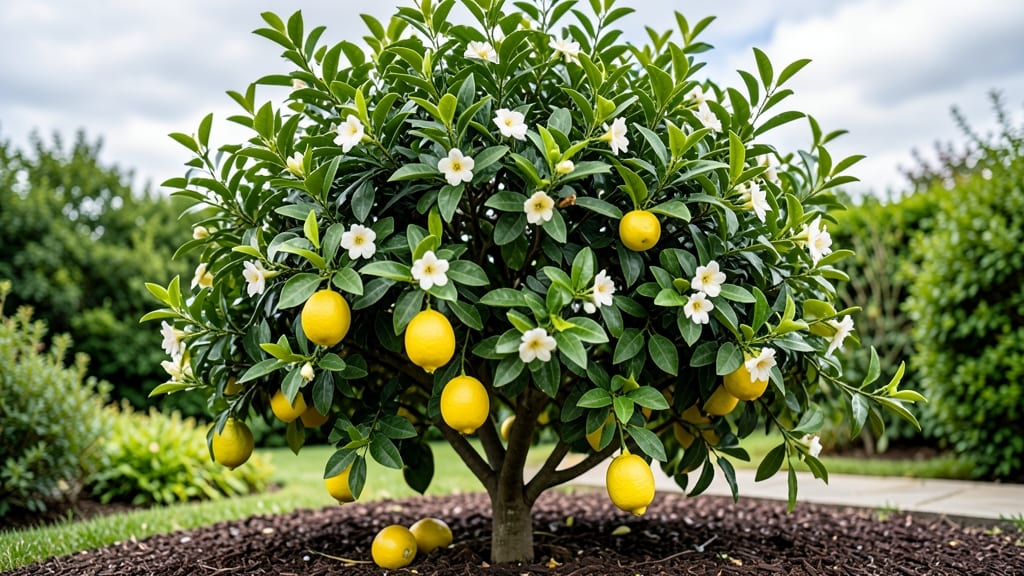
Growing a Meyer lemon tree in zones 8 through 11 is totally doable—even in cooler climates where frost lingers.
If you’ve ever dreamed of plucking your own 🍋 Meyer lemons but live in a chilly zone, you’re not out of luck. This citrus powerhouse thrives in USDA zones 8–11, with a few smart tricks to protect it from winter’s bite.
Whether you’re in the Pacific Northwest or the Deep South, container growing or in-ground planting can work—if you know the right moves.
The key? Understanding how microclimates (like coastal areas) can push your tree’s limits, plus frost protection strategies that keep it fruiting year-round. From mulching to moving pots indoors, I’ll walk you through the game-changer tactics that turn a zone 8 winter into another growing season.
Ready to grow your own sweet lemons? I’ll break down the exact zones where this tree shines, the cold-hardy varieties that perform best, and how to keep your tree happy—even when the thermometer drops.
Understanding Meyer lemon tree growing zones 8-11
If you’re dreaming of homegrown Meyer lemons but live in USDA zones 8-11, you’re in the perfect range for this cold-tolerant citrus! Unlike traditional lemons, Meyer varieties handle cooler temperatures better, making them ideal for Pacific Northwest gardens or Southern coastal areas.
However, zone 8 gardeners need extra care during winter months to protect their trees from frost damage.
The key to success lies in understanding your specific microclimate. Coastal regions in zone 8 often experience milder winters due to ocean breezes, while inland areas face harsher freezing temperatures.
Even within the same zone, your tree’s location—whether near a heat-retaining wall or in a frost pocket—can make all the difference in its survival and fruit production.
Here’s how Meyer lemon trees perform across zones 8-11, including their temperature tolerances and regional adaptations:
In zone 8, Meyer lemon trees can survive brief dips to 20°F (-6°C), but prolonged exposure below 25°F (-4°C) will damage leaves and fruit. The trick is to create a protective microclimate around your tree.
For example, planting near a south-facing wall or using black plastic mulch can raise soil temperatures by 5-10°F, giving your tree a better chance of survival.
For gardeners in zones 9-11, life gets easier! These areas offer year-round growing conditions, and Meyer lemons will produce fruit continuously if given proper care. However, even in warmer zones, winter pruning is essential to remove dead or damaged branches and encourage new growth in spring.
Always use sterilized pruning shears to prevent disease spread.
One common misconception is that container-grown Meyer lemons can’t handle cooler zones. Actually, potted trees are easier to protect during cold snaps! Simply move them to a garage or sunroom before temperatures drop below 35°F (2°C).
Just ensure the container has drainage holes and use a well-draining potting mix to prevent root rot during winter.
If you’re in a coastal microclimate, like Southern California or the Pacific Northwest, you might push your Meyer lemon’s limits even further. Ocean breezes can moderate temperatures, allowing zone 8 gardeners to leave their trees outdoors with only light frost cloth protection.
Monitor local weather forecasts and adjust your strategy based on 10-day temperature trends rather than average zone data.
For all zones, spring planting after the last frost date is ideal. In zone 8, aim for mid-April or later, while zones 9-11 can plant year-round. Amend your soil with compost and citrus-specific fertilizer to ensure your tree gets the nutrients it needs to thrive.
Remember, Meyer lemons are heavy feeders, so don’t skimp on fertilization during the growing season.
With the right zone-specific care, your Meyer lemon tree can reward you with sweet, juicy fruit year after year—even in cooler climates. Start by assessing your microclimate, then implement the frost protection strategies that work best for your location. Soon, you’ll be harvesting lemons straight from your backyard! 🍋
Top 3 cold-hardy Meyer lemon tree varieties for zones 8-11
When selecting a Meyer lemon tree for cooler climates, your choice of variety can make the difference between a thriving citrus tree and a frost-damaged disappointment. Not all Meyer lemons are created equal—some are bred for cold tolerance, while others prioritize dwarf size or disease resistance.
Let’s explore the top three varieties that excel in USDA zones 8-11, including their unique advantages and care requirements.
First, consider the Improved Meyer Lemon, a hybrid bred specifically for cold-hardiness. Unlike traditional Meyer lemons, this variety can withstand brief dips to 20°F (-6°C) with proper protection, making it ideal for zone 8 gardeners.
Its semi-dwarf stature (8-10 ft) also saves space while producing sweeter, more abundant fruit than its ancestors.
| Variety | Cold Tolerance | Mature Height | Best For | Propagation Method |
|---|---|---|---|---|
| Improved Meyer Lemon | 20°F (-6°C) | 8-10 ft | Zone 8-9, large yards | Grafted |
| Ponderosa Lemon | 25°F (-4°C) | 12-15 ft | Zone 9-11, containers | Seed or graft |
| Dwarf Meyer Lemon | 28°F (-2°C) | 6-8 ft | Zone 9-11, patios | Grafted |
Next, the Ponderosa Lemon stands out for its exceptional cold tolerance (25°F/-4°C) and massive, sweet lemons—often weighing over a pound each! This variety thrives in zones 9-11 and is perfect for container growing, thanks to its manageable root system.
However, it requires grafting or seed propagation from a cold-hardy parent for best results.
For smaller spaces, the Dwarf Meyer Lemon is a game-changer. Growing just 6-8 ft tall, it’s ideal for patios, balconies, or even large pots. While its cold tolerance tops out at 28°F (-2°C), it’s the best choice for zone 9-11 gardeners who want low-maintenance fruit production.
Always opt for grafted dwarf varieties to ensure stability and disease resistance.
When propagating Meyer lemons, grafting is the gold standard for cold-hardy trees. Grafted varieties inherit the rootstock’s resilience, often allowing them to survive 5-10°F colder than seed-grown trees. If starting from seed, choose seeds from a cold-tolerant parent and harden off seedlings gradually to 40°F (4°C) before transplanting outdoors.
To maximize cold tolerance, pair your chosen variety with proper winter care. Mulch heavily around the base, use frost cloth for zone 8 trees, and move potted varieties to a garage or sunroom before temperatures drop below 32°F (0°C).
With the right variety and care, you’ll enjoy homegrown Meyer lemons year after year—no matter your zone!