
Pruning
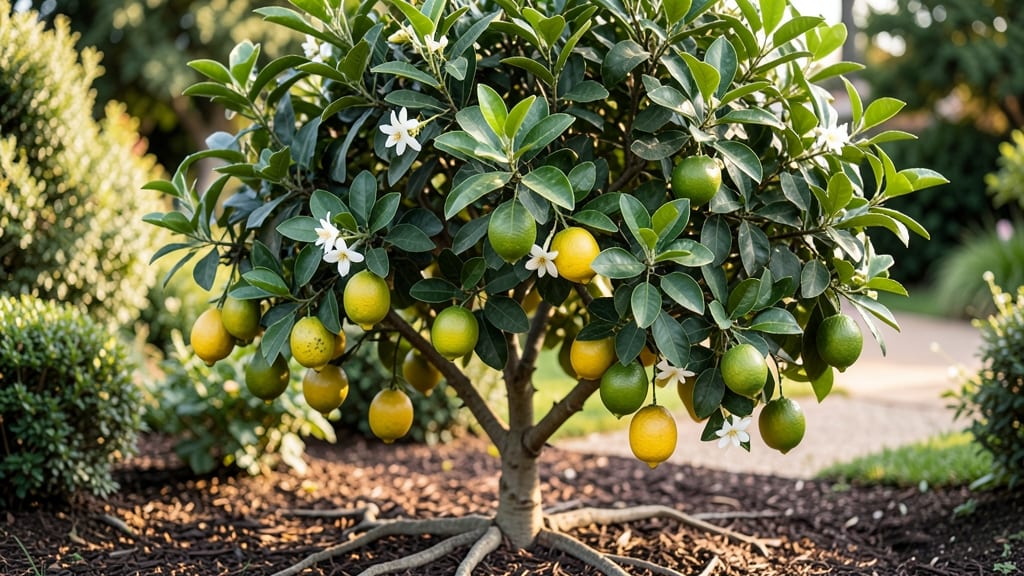
A Meyer lemon tree’s temperature tolerance is all about finding that sweet spot between 60°F and 80°F—too cold or too hot, and you risk losing your citrus treasure.
If you love Meyer lemon trees but live in a chilly climate, you’re not out of luck—these citrus beauties can survive colder temperatures with the right care. But how cold is too cold? And what tricks keep them thriving year-round?
Most Meyer lemons thrive in USDA Zones 9–11, where frost is rare, but with smart strategies like container growing or winter protection, you can push their limits. I’ve grown mine in Zone 8 for years, and here’s what I’ve learned to keep them alive through winter.
Below, I’ll break down the exact temperature thresholds, signs of heat or cold stress, and five proven survival tricks to protect your 🍋 tree—no matter where you live.
Meyer lemon tree cold hardiness Zones: what’s the lowest temperature they can handle?
Meyer lemon trees (Citrus × meyeri) are prized for their sweet, juicy fruit, but their cold tolerance often surprises gardeners. While they thrive in USDA Zones 9–11, they can survive brief dips into Zone 8 with proper care.
The key lies in understanding their temperature thresholds—typically between 20°F and 30°F (-6°C to -1°C)—and how your local microclimate affects their resilience.
Unlike their regular lemon tree cousins, Meyer lemons are hybrids with improved cold hardiness, but they still struggle below 20°F (-6°C). In containers, they’re even more vulnerable to cold snaps because pots lose heat faster.
Meanwhile, permanently planted trees in well-draining soil can handle slightly lower temps if protected. Let’s break down the specifics so you can grow Meyer lemons successfully, even in cooler climates.
🌱 Cold tolerance varies by tree age, size, and growing method. A young tree in a pot may die at 25°F (-4°C), while a mature, in-ground tree might survive 20°F (-6°C) with insulation. The difference? Root insulation and air circulation make all the difference.
📊 Check your local microclimate for accuracy—urban areas can be 5–10°F warmer than rural zones due to heat islands. Use the USDA Plant Hardiness Zone Map as a starting point, but adjust for your yard’s specific conditions. For example, a south-facing wall might add 2–3°F of warmth, while a low-lying area can trap cold air, dropping temps by 5°F or more.
Here’s how Meyer lemon trees perform across USDA Zones 8–11, including their temperature limits and frost risks:
In Zone 8, Meyer lemons are only viable in containers that can be moved indoors during winter. A 25°F (-4°C) dip is the absolute limit—any colder, and the tree’s leaves and branches will suffer frost damage.
For Zones 9–10, in-ground planting is ideal, but mulching and frost cloth are essential for protection during unexpected cold snaps.
If you’re in Zone 7 or colder, growing Meyer lemons outdoors year-round isn’t recommended. However, you can still enjoy them by overwintering the tree indoors in a bright, cool spot (like a garage or sunroom) and moving it back outside in spring after the last frost.
This method works well for dwarf varieties, which are easier to handle.
💡 Pro Tip: Even in Zones 9–11, young trees are more sensitive to cold. Shield them with burlap wraps or frost blankets during the first few winters to encourage stronger growth. Mature trees develop thicker bark over time, improving their cold resistance.
For container growers, choose pots with insulated sleeves or wrap them in bubble wrap to retain heat. Avoid placing containers in low spots where cold air pools—elevate them on pot feet or cinder blocks instead.
In Zones 8–9, this can make the difference between a frozen tree and a thriving one.
Always monitor your local weather forecasts and act fast if a hard freeze is predicted. A space heater near the tree (safely placed!) or a row cover can add critical warmth during 20–25
How to protect Meyer lemon trees from cold weather: 5 proven survival tricks
Cold snaps can devastate Meyer lemon trees, but with the right strategies, you can keep your citrus thriving even in chilly climates. The key is understanding their temperature tolerance limits—typically 28–32°F (-2 to 0°C)—and acting before frost hits.
Whether you're a backyard gardener or an urban container grower, these tricks will help your tree survive winter and bounce back stronger in spring.
Meyer lemons are more cold-hardy than traditional lemons, but they still need protection below 30°F (-1°C). The good news? Even in USDA Zones 6–8, you can extend their lifespan with simple, effective methods.
Let’s dive into the top 5 survival tricks that work for both in-ground and container-grown trees, including budget-friendly DIY solutions for small spaces.
🌱 Meyer Lemon Tree Temp Tolerance
- 🌡️ 28–32°F (-2 to 0°C) – Survival limit for mature trees with protection.
- 30°F (-1°C) – Critical threshold; below this, damage occurs without protection.
- 40°F (4°C) – Slow growth begins; ideal for indoor overwintering.
- 50°F (10°C) – Optimal active growth resumes in spring.
- Containers freeze faster than in-ground trees; use insulated pots or move indoors.
First, mulching is your first line of defense. Apply a 4–6 inch layer of organic mulch (straw, wood chips, or pine needles) around the base of your tree in late fall. This insulates the roots and regulates soil temperature, preventing frost heave—when freezing and thawing cycles damage roots.
For container trees, wrap the pot in bubble wrap or a frost blanket and bury it halfway in straw or leaves to mimic ground insulation.
Next, consider row covers or frost blankets for an extra layer of protection. These lightweight fabrics trap heat and can raise temperatures by 5–10°F. Secure the cover with stakes and clips, leaving room for airflow to prevent moisture buildup.
If you’re dealing with a hard freeze (below 28°F), combine row covers with a small heat source, like a 25-watt Christmas light bulb placed near the tree’s canopy. This creates a microclimate and can make all the difference in survival.
For urban gardeners with limited space, indoor overwintering is a game-changer. Move your container-grown Meyer lemon tree to a sunny, cool indoor spot (like a garage or basement) when nighttime temperatures drop below 40°F (4°C).
Place it near a south-facing window or under grow lights for 12–14 hours of light daily. Reduce watering to once every 2–3 weeks and avoid fertilizing until spring. This method keeps your tree alive and ready to rebound when warmer weather returns.
Don’t forget pruning as part of your winter prep. In late fall, trim any weak or damaged branches to improve airflow and reduce stress. Avoid heavy pruning, as this can expose the tree to more cold damage.
Instead, focus on shaping the canopy to create a more compact, insulated form. If your tree is in a container, prune back overly long roots to encourage new growth in spring.
Finally, monitor your tree closely during winter. Watch for signs of cold stress, like wilting leaves, brown spots, or bark splitting. If you spot these issues, act fast: move the tree to shelter, increase humidity with a pebble tray, and avoid watering until new growth appears.
With these 5 survival tricks, your Meyer lemon tree can thrive year-round—even in colder climates!