
Pruning
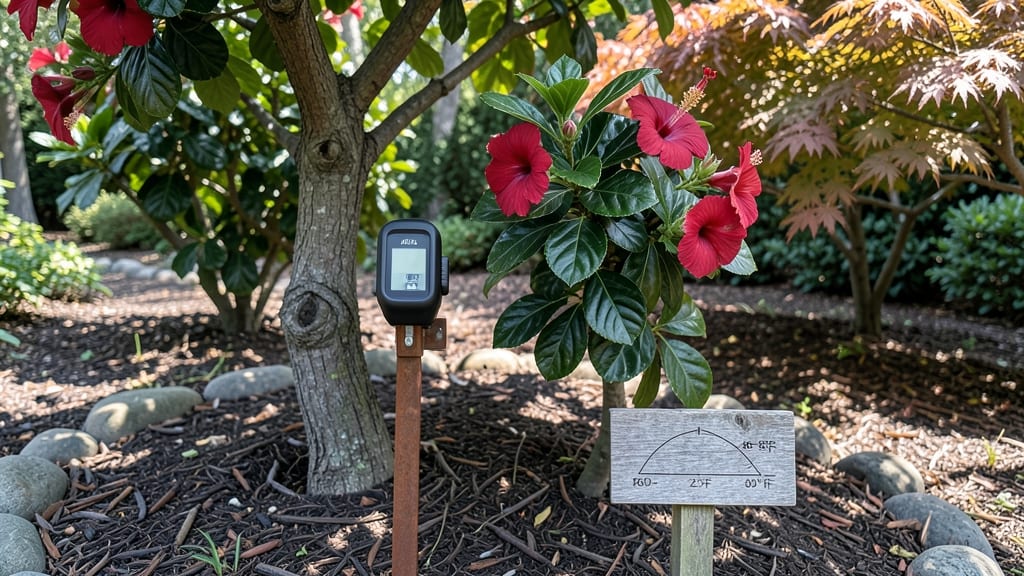
The hibiscus tree’s temperature tolerance depends on the variety, with some thriving in cool climates while others wilt at the first frost.
If you love hibiscus trees but live in a cooler climate, you’re not out of luck—some varieties handle cold snaps better than you’d expect.
Whether you’re in Zone 9b or further north, knowing which types to choose (and how to protect them) can mean the difference between a year-round showstopper and a sad, shriveled plant by winter.
Tropical hibiscus, like the classic Hibiscus rosa-sinensis, can’t handle freezing temps, but hardy varieties like Hibiscus moscheutos (swamp hibiscus) and Hibiscus syriacus (rose of Sharon) shrug off 20°F dips.
Even in milder zones, a late frost can still damage tender leaves, so mulching and strategic pruning are your best friends.
In this guide, I’ll break down which hibiscus types survive cold snaps, how to spot heat or frost stress, and the simple tricks to keep your 🌺 blooming—no matter where you live.
Cold-hardy hibiscus tree varieties and their temperature limits
Not all hibiscus trees are created equal when it comes to cold tolerance. While tropical hibiscus varieties like Hibiscus rosa-sinensis struggle below 40°F (4°C), some hardy species can survive 15°F (-9°C) or lower with proper care. The key difference lies in their USDA hardiness zones and natural adaptations.
If you're gardening in Zones 5-8, you can still grow hibiscus by choosing the right varieties. Hardy hibiscus (Hibiscus syriacus) and rose of Sharon (Hibiscus moscheutos) are top performers in cooler climates. These varieties have woody stems that protect their vascular system during freeze events.
For gardeners in Zones 9-10, tropical hibiscus can thrive year-round, but even these benefit from understanding their temperature thresholds. A sudden drop below 32°F (0°C) can cause leaf damage, while prolonged exposure to 50°F (10°C) may stunt growth.
🌺 Cold-Hardy Hibiscus Varieties Comparison
| Variety | USDA Zones | Cold Tolerance | Bloom Season | Height |
|---|---|---|---|---|
| Hibiscus syriacus (Rose of Sharon) | 5-9 | 15°F (-9°C) | Summer to Fall | 6-12 ft |
| Hibiscus moscheutos (Swamp Hibiscus) | 4-9 | -20°F (-29°C) | Mid to Late Summer | 5-10 ft |
| Hibiscus coccineus (Scarlet Hibiscus) | 5-9 | 20°F (-7°C) | Summer | 4-6 ft |
| Hibiscus rosa-sinensis (Tropical Hibiscus) | 10-12 | 32°F (0°C) | Year-round (frost-free) | 6-15 ft |
| Hibiscus syriacus 'Annabel' (Dwarf Rose of Sharon) | 5-9 | 15°F (-9°C) | Summer to Fall | 3-5 ft |
💡 Note: Hardy hibiscus varieties can survive colder temperatures but may still need winter protection in Zones 5-6.
When selecting a hibiscus for cooler climates, prioritize Hibiscus syriacus and Hibiscus moscheutos for their exceptional cold resistance. These varieties not only survive freezing temperatures but also produce stunning blooms that last from summer to fall. Their deep root systems help them withstand temperature fluctuations better than tropical counterparts.
The Scarlet Hibiscus (Hibiscus coccineus) is another excellent choice for Zones 5-9, offering vibrant red flowers and a more compact growth habit. Unlike tropical hibiscus, these hardy types can regenerate from their roots even after severe cold damage, making them low-maintenance options for northern gardens.
For gardeners in Zones 9-10, tropical hibiscus can be grown outdoors year-round, but they require seasonal adjustments. In areas where temperatures dip below 50°F (10°C) at night, consider moving potted tropical hibiscus to a sheltered location or wrapping them in burlap to prevent shock.
Understanding your local microclimate is crucial. Even within the same USDA zone, factors like wind exposure, soil type, and proximity to water can affect a hibiscus tree's ability to tolerate cold.
For example, a hibiscus planted near a large body of water may experience milder winters due to the heat-retaining properties of water.
If you're pushing the limits in Zone 5 or colder, consider growing hibiscus in containers and overwintering them indoors. This method gives you the flexibility to move plants to a garage or basement during freezing temperatures, then return them to the garden when temperatures rise above 50°F (10°C).
Always monitor your hibiscus trees during temperature transitions, especially in spring and fall. Sudden temperature swings can cause bud drop or leaf scorch, even in hardy varieties. Mulching with 3-4 inches of organic matter can help regulate soil temperatures and protect roots from extreme cold.
With the right variety and care, you can enjoy hibiscus blooms even in cooler climates. Whether you choose Hibiscus syriacus for its cold hardiness or Hibiscus moscheutos for its dramatic flowers, these varieties prove that hibiscus trees aren't just for tropical gardens. 🌿
How to protect hibiscus trees from frost and freezing temperatures
Even though hibiscus trees are tropical beauties, they can survive freezing temperatures with the right care. The key is understanding your hibiscus tree temperature tolerance and preparing before the first frost hits.
Hardy varieties like Hibiscus moscheutos can handle 20°F (-6°C), while tropical types need indoor overwintering in colder zones.
Your hibiscus’s survival depends on three factors: mulching, wrapping, and pruning before winter. Let’s break down the step-by-step process to keep your hibiscus thriving through cold snaps, even in USDA Zone 7 or colder.
Step-by-Step Winter Protection for Hibiscus Trees
-
Step 1: Mulch the Base
Apply 4-6 inches of mulch around the tree’s base using straw or wood chips to insulate roots. This prevents soil temperature fluctuations and protects against 20°F (-6°C) drops. -
Step 2: Wrap the Trunk
Use burlap or frost cloth to wrap the trunk, securing it tightly. This shields the cambium layer from cracking in freezing temperatures (below 32°F (0°C)). -
Step 3: Prune Damaged Branches
After the first frost, trim blackened or brittle branches with clean, sharp shears. This removes frost-damaged tissue and encourages spring regrowth. -
Step 4: Move Potted Hibiscus Indoors
If your hibiscus is in a pot, bring it inside near a south-facing window before temperatures drop below 40°F (4°C). Ensure it gets 6+ hours of sunlight daily. -
Step 5: Cover with Frost Blankets
Drape a frost blanket over the entire plant during hard freezes (below 28°F (-2°C)). Secure the edges with rocks or stakes to prevent wind damage. -
Step 6: Reduce Watering
Water sparingly in winter (every 2-3 weeks) to avoid root rot from soggy soil. Overwatering in cold temps stresses the plant.
For tropical hibiscus varieties like Hibiscus rosa-sinensis, indoor overwintering is essential. Place the pot in a bright, cool room (50-60°F or 10-15°C) and reduce watering to once a month. Resume normal care in spring when nighttime temps stay above 50°F (10°C).
Monitor your hibiscus for early signs of frost damage, like brown leaf edges or wilting. If you catch it early, prune affected areas and protect the plant immediately. With these steps, even Zone 6 gardeners can enjoy hibiscus blooms year after year.
Pro tip: Group hibiscus trees with other cold-tolerant plants, like oleanders or bougainvillea, to create a microclimate that retains heat. This natural insulation can add 5-10°F (3-5°C) of protection during light freezes.