
Trees
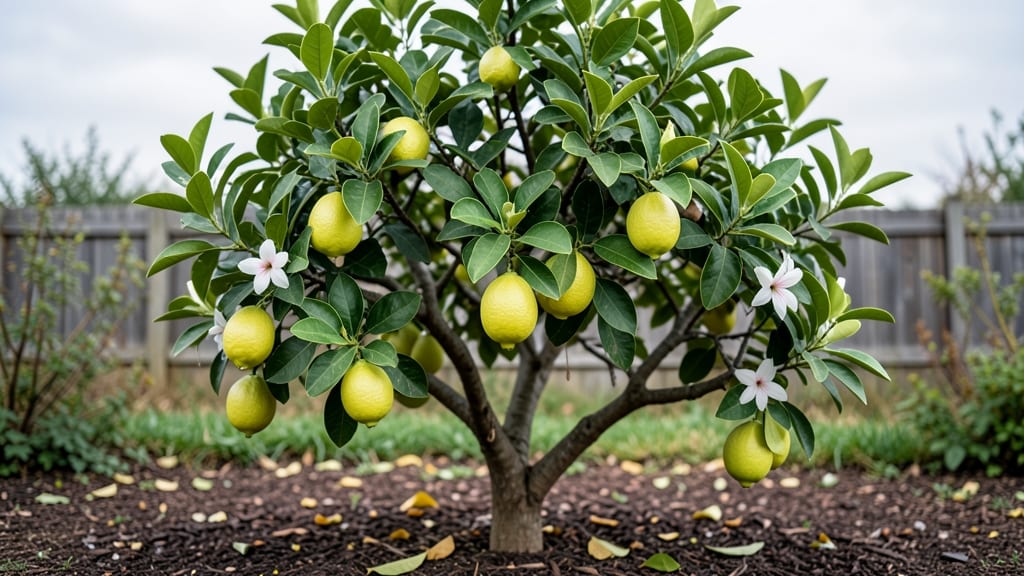
Your Meyer lemon tree dropping leaves isn’t a death sentence—it’s a wake-up call to fix what’s stressing it. 🌿 I’ve nursed back three lemons from this exact problem, and the key is acting fast before the tree gets overwhelmed.
The good news? Most cases turn around in 3 weeks with the right adjustments.
Overwatering or underwatering tops the list, but pests like spider mites, root rot, or even sudden temperature swings can trigger the same panic. My first clue? Yellowing leaves paired with dry soil—turns out, I’d been watering on a schedule instead of checking moisture.
Citrus hate soggy roots but also can’t handle drought, so balance is everything.
Here’s the game-changer: trim the damaged leaves, adjust your watering routine, and give it a nutrient boost with citrus-specific fertilizer. Within 2-3 weeks, you’ll see fresh green growth pushing through, and those fragrant blossoms will return—promise. The secret is consistency, not desperation.
If the problem persists after two weeks or you spot weird spots/crusty bits, it might be time to call an arborist. But in most cases, this is a fixable hiccup—not a life sentence. Let’s get that canopy back to its lush, lemon-scented glory.
Root Causes Behind Leaf Loss
If your Meyer lemon tree is shedding leaves faster than a cat in a wind tunnel, don’t panic—yet. Understanding the why behind the drop is the first step to revival. Below, we break down the most common culprits, backed by science, so you can diagnose and act fast. 🌱🔍
Meyer lemon trees thrive in well-draining soil, and when roots sit in soggy conditions, they suffocate. Overwatering triggers root rot (Phytophthora spp.), cutting off nutrient and water flow to the canopy. Signs include:
- Yellowing leaves that eventually turn brown and crispy.
- Mushy, black roots when inspected (if you’re brave enough to dig).
- Leaves dropping even when the soil feels damp.
Why it happens: Lemon trees are drought-tolerant natives of Mediterranean climates. Their roots need oxygen—not a swamp. When soil stays waterlogged for >48 hours, anaerobic bacteria feast on roots, releasing toxins that force the tree to shed leaves to conserve energy.
Actionable fix:
- Test drainage: Fill a hole near the tree with water. If it drains in <2 hours, you’re good. If not, amend soil with perlite or coarse sand (20-30% mix).
- Adjust watering: Wait until the top 2–3 inches of soil are dry before watering deeply (not lightly!).
- Raise the tree: If in a pot, ensure it has drainage holes and elevate it on bricks or a saucer.
Meyer lemons are tender to cold (below 25°F/-4°C) and heat-stressed above 90°F (32°C) for prolonged periods. Sudden temperature swings—like a chilly night after a hot day—disrupt photosynthesis and trigger leaf abscission (the plant’s way of shedding damaged foliage).
- Cold damage: Brown, curled leaves with blackened edges (common in winter or frost-prone areas).
- Heat stress: Wilting, yellowing leaves with scorched tips, often on the south/southwest side of the tree.
Why it happens: Cold snaps cause ice crystal formation in cells, rupturing membranes. Heat stress, meanwhile, denatures enzymes needed for chlorophyll production, turning leaves into energy-draining liabilities. The tree drops them to prioritize new growth.
Actionable fix:
- Cold protection: Move potted trees indoors (or to a garage) when temps drop below 40°F (4°C). Use frost cloth for outdoor trees.
- Heat relief: Provide afternoon shade (50% shade cloth) during summer. Mulch the root zone with straw or wood chips to keep soil cooler.
- Avoid windburn: Use a windbreak (like a fence or burlap) if your tree is exposed to dry, cold winds.
Meyer lemon trees have delicate root systems that take 4–6 weeks to recover after repotting or moving. When roots are damaged during transplantation, the tree can’t absorb enough water or nutrients, causing leaves to yellow and drop—often within 1–2 weeks of the move.
Why it happens: Roots produce hormones (like auxins) that regulate leaf retention. When roots are pruned or disturbed, hormone production plummets, signaling the tree to shed leaves to reduce water loss while it focuses on regrowing roots.
Actionable fix:
- Minimize root trauma: If repotting, prune only 10–15% of roots and use a pot only 1–2 inches larger in diameter.
- Water deeply after transplanting to reduce shock, but don’t overwater (see Section 1).
- Use root stimulator: Dip roots in a mycorrhizal fungus solution (like MycoApply) before replanting to speed recovery.
Hidden invaders like scale insects, spider mites, or fungal pathogens (e.g., citrus greening) sap your tree’s vitality, leading to premature leaf drop. Pests extract sap, while diseases clog vascular tissue, starving leaves of nutrients.
| Pest/Disease | Signs | Why It Triggers Leaf Drop |
|---|---|---|
| Scale Insects | Sticky residue ("honeydew"), black sooty mold, curled yellow leaves. | Scale pierces stems, disrupting water transport and spreading fungal infections via honeydew. |
| Spider Mites | Fine webbing, bronzed/yellow stippling on leaves. | Mites chew leaf cells, reducing photosynthesis by up to 50%, forcing the tree to drop damaged leaves. |
| Citrus Greening (HLB) | Asymmetric yellowing, small, bitter fruit, dieback. | A bacterial infection (Liberibacter) blocks nutrients in the phloem, starving leaves. |
Actionable fix:
- Isolate infected trees to prevent spread.
- Blast pests with a horticultural oil spray (like Neem Oil) or soapy water (1 tsp mild soap per quart of water).
- Prune and destroy heavily infested branches.
- For HLB: Consult a local agricultural extension office—there’s no cure, but copper-based bactericides may slow progression.
Meyer lemons are heavy feeders, and deficiencies—especially in nitrogen, magnesium, or zinc—cause leaf drop. Over-fertilizing (too much salt) can also burn roots, mimicking drought stress.
| Nutrient | Deficiency Signs | Impact on Leaves |
|---|---|---|
| Nitrogen (N) | Pale yellow leaves (starting with oldest). | Reduces chlorophyll
Quick Fixes for Meyer Lemon TreeReviving your Meyer lemon tree’s lush foliage starts with pinpointing the stressor and taking targeted action. Below, we’ve mapped out practical, step-by-step solutions for the most common causes of leaf drop—plus prevention tips to keep your tree thriving long-term. Let’s get those branches back to their vibrant best! --- Signs: Yellowing leaves, soggy soil, or roots exposed above the surface. Fix: 🔥 Step 1: Pause Watering Immediately Stop adding water until the top 2–3 inches of soil feel dry (use your finger to test). Overwatering suffocates roots and invites fungal diseases. 🍳 Step 2: Improve Soil Drainage - For pots: Repot into a container with drainage holes (terracotta or fabric pots work best). - For in-ground trees: Amend the soil with perlite, sand, or compost to loosen compacted earth. A 50/50 mix of native soil and organic matter helps. - Pro tip: 💡 Elevate pots on saucers or feet to prevent water pooling. 👨🍳 Step 3: Check Root Health Gently loosen the top 6 inches of soil and inspect for: - Mushy, black roots → Fungal rot (trim affected roots with sterilized scissors). - Healthy roots → White or tan with slight texture (no smell). 🥘 Step 4: Adjust Watering Routine - Potted trees: Water deeply 1–2 times per week (let soil dry between sessions). - In-ground trees: Water at the base only, avoiding wetting foliage. Aim for 1–1.5 inches per week (adjust for rain). - Winter tip: 🌡️ Reduce watering by 50%—Meyer lemons enter dormancy and need less moisture. Prevent Relapse: ✅ Use a moisture meter to track soil dampness. ✅ Never let trees sit in saucers of standing water. --- Signs: Crispy, curled edges; leaves turning brown and dropping suddenly. Fix: 🔥 Step 1: Provide Afternoon Shade Meyer lemons thrive in morning sun + afternoon shade (especially in hot climates). Use: - A lightweight shade cloth (30–50% coverage) for potted trees. - A lattice or sheer curtain for in-ground trees near windows. 🍳 Step 2: Mulch Like a Pro Spread 2–3 inches of organic mulch (straw, wood chips, or pine bark) around the base (keep it 6 inches away from the trunk). Mulch: - Retains moisture. - Regulates soil temperature. - Prevents root exposure. 👨🍳 Step 3: Hydrate Strategically - Morning watering is key—it gives roots time to absorb moisture before the heat peaks. - Mist leaves lightly in extreme heat (but avoid soggy soil). 🥘 Step 4: Gradual Sun Acclimation If your tree was recently moved outdoors: - Start with 2–3 hours of morning sun/day, increasing by 1 hour every 3–4 days. Prevent Relapse: ✅ Monitor humidity levels (aim for 40–60%). Use a humidifier near potted trees in dry climates. ✅ Avoid fertilizing during heatwaves—it stresses the tree further. --- Signs: Dark, mushy spots on leaves; sudden defoliation after frost. Fix: 🔥 Step 1: Shelter from Drafts - Potted trees: Move indoors near a south-facing window or into a garage (keep temps above 45°F/7°C). - In-ground trees: Wrap the trunk in burlap and install a windbreak (e.g., a temporary fence or snow fence). 🍳 Step 2: Protect with Insulation - For pots: Bury the container halfway in the ground or wrap it in bubble wrap. - For trunks: Apply a tree wrap or mulch heavily (up to 6 inches deep) to insulate roots. 👨🍳 Step 3: Revive with Warmth - Prune damaged leaves (sterilize shears with rubbing alcohol). - Resume normal watering once temps rise above 50°F/10°C—cold-stressed trees need hydration. 🥘 Step 4: Harden Off Before Winter If moving a potted tree outdoors: - Acclimate over 2 weeks, gradually reducing indoor temps by 5°F (3°C) per day. Prevent Relapse: ✅ Choose cold-hardy varieties if you live in Zone 8 or below (e.g., ‘Improved Meyer’). ✅ Avoid fertilizing in fall—it encourages new growth that’s vulnerable to frost. --- Signs: Sticky residue, holes in leaves, black spots, or webbing. Fix: 🔥 Step 1: Identify the Culprit Common offenders: - Aphids/spider mites → Tiny webs or clusters on undersides of leaves. - Scale insects → Brown bumps on stems/leaves. - Fungal leaf spot → Dark spots with yellow halos. 🍳 Step 2: Manual Removal (Best for Mild Infestations) - Pests: Spray leaves with soapy water (1 tsp mild dish soap + 1 quart water). Repeat every 3–4 days for 2 weeks. - Fungus: Prune infected leaves (sterilize tools between cuts) and dispose of them in a sealed bag. 👨🍳 Step 3: Natural Repellents - Neem oil spray: Mix 1 tbsp neem oil + 1 tsp mild soap + 1 quart water. Spray every 7 days for pests. - Beneficial insects: Release ladybugs or lacewings to eat aphids naturally. 🥘 Step 4: Boost Tree Immunity - Fertilize with citrus-specific food (high in nitrogen + micronutrients like zinc). - Water at the base (avoid wetting foliage to prevent fungal spread). Prevent Relapse: 💡 Inspect new plants before bringing them home (quarantine for 2 weeks). ✨ Encourage airflow by pruning dense branches. --- Signs: Yellowing between leaf veins (iron deficiency), stunted growth, or leaf burn. Fix: 🔥 Step 1: Flush the Soil - Potted trees: Water heavily with plain water for 10 minutes to leach excess salts. - In-ground trees: Amend soil with 2 inches of compost and water deeply. 🍳 Step 2: Test Soil pH Meyer lemons prefer slightly acidic soil (pH 6.0–7.0). Use a home test kit and adjust with: - Lime (to raise pH) or sulfur (to lower pH). 👨🍳 Step 3: Feed the Right Way - For deficiency: Use a citrus-specific fertilizer (e.g., 6-6-6 NPK ratio) every 6–8 weeks in growing season. - For over-fertilizing: Switch to half-strength doses and water thoroughly after applying. 🥘 Step 4: Micronutrient Boost - Epsom salt spray (1 tbsp per gallon of water) for magnesium deficiency (yellowing between veins). - Chelated iron for chlorosis (pale leaves). Prevent Relapse: 📊 Follow a feeding schedule—avoid fertilizing in winter or drought. 💪 Use slow-release granules for steady nutrition without spikes. --- Signs: Wilting, slow growth, or leaves turning yellow/brown after repotting. Fix: 🔥 **Step 1: Check Root Frequently asked questions
1
Why does my Meyer lemon tree drop leaves suddenly even when it seems healthy?Sudden leaf drop often signals transplant shock or temperature stress. Meyer lemons hate abrupt changes—like moving from indoors to outdoors without acclimating, or sudden cold snaps below 45°F (7°C). Even healthy trees shed leaves to conserve energy when roots can't keep up with the demand. Check for other signs like curled edges or wilting to narrow down the cause.
2
How often should I water my Meyer lemon tree to prevent leaf loss?Water when the top 2-3 inches of soil are dry—about 1-2 times per week for potted trees, and 1-1.5 inches per week for in-ground trees. The key is consistency: soggy soil causes root rot, while drought triggers wilting. In winter, cut back by 50% since growth slows. Always check moisture with your finger before watering.
3
Can I save my Meyer lemon tree if half the leaves are already gone?Yes! With immediate action, most trees recover in 3-4 weeks. Start by pruning damaged leaves (sterilize shears first), adjusting watering, and checking for pests. If roots are healthy, new growth will sprout from buds along branches. Focus on one stressor at a time—fix drainage issues before fertilizing, for example. The tree prioritizes regrowing leaves once stable.
4
What’s the difference between cold damage and nutrient deficiency in Meyer lemons?Cold damage shows as brown, crispy edges with blackened tips, often on newer leaves. Nutrient deficiencies (like iron or nitrogen) cause yellowing between veins (chlorosis) or pale green leaves starting with older foliage. The key difference: cold damage is sudden and affects the whole leaf, while deficiencies develop gradually and target specific areas.
5
Should I fertilize my Meyer lemon tree if it’s dropping leaves?Only if you’ve ruled out overwatering or pests first! Fertilizing a stressed tree can burn roots and worsen leaf drop. Wait until you see new green growth (signaling recovery), then use a citrus-specific fertilizer (6-6-6 NPK ratio) every 6-8 weeks during growing season. Always water thoroughly after applying to prevent salt buildup. |