
Diseases
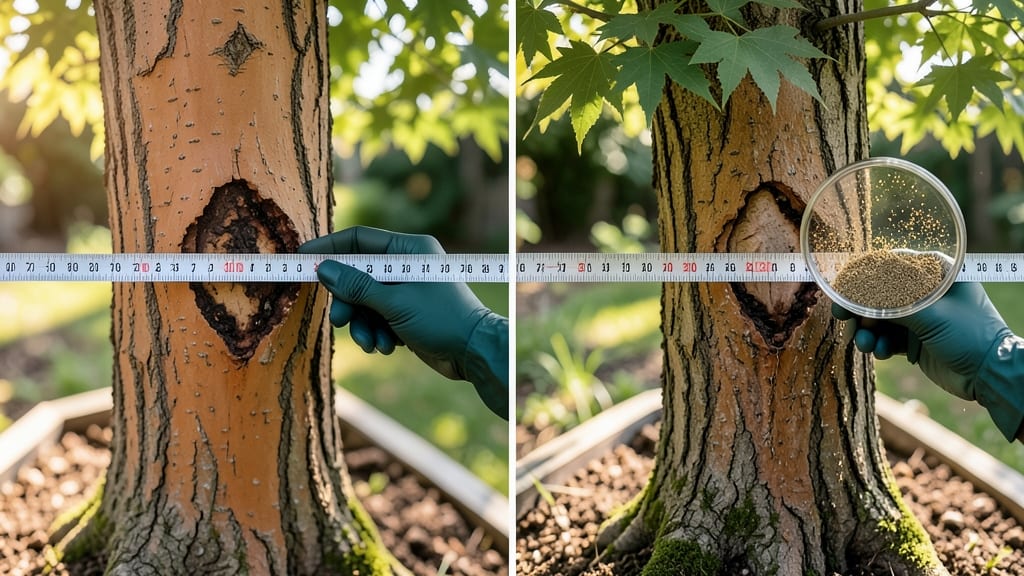
That first crack in your Japanese maple tree bark diseases—complete with pictures of the telltale fungal growth—could signal trouble before you know it.
Before you realize it, those blackened scars can turn the trunk into a patchwork of decay. 🌿 I’ve seen this happen to my own Acer palmatum, and the key to saving it lies in recognizing the early signs: sunken lesions, oozing sap, or that telltale crusty fungal mat.
This guide walks you through what those symptoms really mean and how to stop the spread before it’s too late.
The worst part? Many of these diseases thrive in the same conditions your maple loves—moist, shaded soil with poor air circulation. But here’s the good news: once you know what to look for (and what to avoid), fixing it is simpler than you’d think.
Pruning infected branches early, applying the right fungicide at the right time, and tweaking your tree’s environment can make all the difference. I’ll show you exactly how.
By the end, you’ll spot these issues before they become irreversible—no more guessing whether that dark spot is harmless or a death sentence. Your tree’s bark will stay smooth, the foliage vibrant, and those signature red or green leaves will keep cascading like they’re supposed to.
The secret? Acting fast and knowing what to cut (or keep).
Works for all Japanese maple varieties, from dwarf cultivars to towering specimens. Let’s get your tree back to healthy—before winter makes it worse.
Root Causes Of Bark Problems
Japanese maple trees (Acer palmatum) are stunning, but their delicate bark is vulnerable to diseases that thrive under specific conditions. Understanding why these issues occur is the first step to prevention and treatment.
Below, we break down the key factors—from fungal invasions to environmental stress—that turn healthy bark into a battleground for pathogens.
Fungi are the #1 culprit behind Japanese maple bark diseases, and they don’t just appear—they invite themselves in. Here’s how:
- Moisture Buildup Creates the Perfect Petri Dish Fungi like Cryptostroma corticale (canker disease) and Valsa spp. (Valsa canker) thrive in wet, stagnant conditions.
When bark stays damp for prolonged periods—whether from rain, poor drainage, or overhead watering—spores germinate and penetrate cracks or wounds. Pro tip: 🌡️ Fungal spores need 12+ hours of moisture to activate, so quick-drying bark (via pruning for airflow) is your first defense.
- Weakened Bark Invites Attack Stress from physical damage (e.g., lawnmower hits, frost cracks, or improper pruning) creates entry points.
Fungi exploit these wounds, forming dark, sunken cankers that disrupt sap flow. Actionable fix: Seal minor wounds with pruning paint (only on cuts > ½ inch thick) to block fungal entry.
- Overcrowded Leaves Trap Humidity Dense foliage or nearby structures (like fences) reduce airflow, keeping bark consistently humid. This is a red flag for anthracnose (Gloeosporium spp.), which causes target-like lesions on bark and leaves. Solution: Thin out branches to improve circulation and avoid late-season watering.
Japanese maples are hardy, but extreme conditions compromise their bark’s natural resistance. Here’s how:
- Freeze-Thaw Cycles Split Bark Sudden temperature swings (common in Zone 5–7 winters) cause bark to crack and peel, exposing fresh tissue to pathogens. Example: Botryosphaeria canker exploits these splits, leading to black, oozing lesions. Prevent it: Apply a thin layer of tree wrap in winter (remove by spring to avoid moisture traps).
- Poor Soil Drainage Strangles Roots Waterlogged soil starves roots of oxygen, weakening the tree’s immune response.
Weak roots = less sap flow = bark that’s easier for fungi to colonize. Test your soil: Dig a 12-inch hole—if water pools after 6 hours, amend with sand or compost to improve drainage.
- Sun Scorch Burns Bark Alive While Japanese maples love shade, sudden exposure to harsh sun (e.g., after a nearby tree is removed) causes bark necrosis. Dead tissue becomes a fungal buffet. Fix it: Gradually acclimate trees to sun or install shade cloth during peak afternoon heat.
Insects don’t just damage bark—they carry fungal spores and create wounds that let diseases in. Key offenders:
| Pest | How It Spreads Disease | Signs to Watch For |
|---|---|---|
| Scale Insects | Excrete honeydew, fostering sooty mold (a fungal growth). | Sticky residue on bark, black fungal film. |
| Japanese Beetles | Chew notches in bark, inviting bacterial canker. | Irregular bark holes, sawdust-like frass. |
| Borers (e.g., Saperda spp.) | Tunnel into bark, creating entry points for Ceratocystis wilt. | D-shaped exit holes, oozing sap. |
Pro tip: 🔥 Neem oil (applied in early spring) disrupts pests and deters fungal spores from settling.
Even well-meaning gardening habits can speed up bark decay. Common blunders:
- Over-Fertilizing with Nitrogen Excess nitrogen softens bark, making it prone to splitting. Balance is key: Use a low-nitrogen, high-potassium fertilizer (e.g., 5-10-10 ratio) to strengthen bark resilience.
- Ignoring Pruning Best Practices Topping (cutting back to stubs) or pruning in wet weather creates large wounds that heal poorly. Do this instead: Make cuts at a 45° angle just outside the branch collar, and sterilize tools with 70% isopropyl alcohol to avoid spreading pathogens.
- Planting Too Close to Structures Bark pressed against wooden fences or siding stays damp longer, promoting rot and canker. Rule of thumb: Keep at least 3 feet of clearance for airflow.
Not all Japanese maples face the same risks—microclimates play a role:
- Humid Climates (e.g., Pacific Northwest, Southeast U.S.) Higher fungal pressure: Phytophthora root rot thrives here, causing bark sloughing as roots fail. Solution: Plant on mounds to improve drainage.
- Arid Regions (e.g., Southwest U.S.) Sun scorch + drought stress = brittle bark. Solution: Mulch with wood chips (not rocks) to retain moisture and protect roots.
- Urban Areas with Pollution Acid rain weakens bark’s protective layer, making it susceptible to sooty mold and bacterial leaf scorch. Mitigate it: Apply a lime wash (calcium hydroxide) to bark annually in fall.
Fixing Japanese Maple Bark Issues
Japanese maple trees are stunning additions to any garden, but their bark can fall victim to diseases that threaten their beauty and health. The good news? Most issues are treatable with the right approach.
Below, we’ll break down practical solutions for common bark diseases, organized by cause, so you can restore your tree’s vitality step by step.
Symptoms: Dark, sunken lesions on bark, leaf spots, and defoliation. Cause: Fungal spores thrive in wet, humid conditions.
How to Fix It: 🍳 Prune Infected Branches
- Use sterilized pruners (wipe with rubbing alcohol) to remove severely affected branches, cutting 6 inches below the lesion.
- Dispose of debris in a sealed bag—do not compost it.
👨🍳 Apply Fungicide
- Spray copper fungicide (like Bordeaux mixture) or a systemic fungicide (e.g., propiconazole) every 2–3 weeks during wet seasons.
- For organic options, try neem oil or baking soda spray (1 tbsp baking soda + 1 quart water + a drop of dish soap).
🥘 Improve Airflow
- Thin out dense foliage to reduce humidity around the bark.
- Avoid overhead watering—use drip irrigation instead.
💡 Pro Tip: Apply fungicide before rainy seasons as a preventive measure.
Symptoms: Sunken, oozing cankers with cracked bark, often on younger trees. Cause: Fungal or bacterial infections (e.g., Leucostoma fungi or Pseudomonas bacteria).
How to Fix It: 🔪 Remove Damaged Tissue
- Scrape away all infected bark with a sterilized knife, exposing healthy wood.
- Cut out cankers at least ½ inch beyond visible damage.
✨ Seal the Wound
- Apply pruning paint or tree wound dressing to prevent secondary infections.
- For severe cases, consult an arborist about antibiotic treatments (e.g., streptomycin for bacterial canker).
🌿 Boost Tree Health
- Water deeply but avoid wetting the bark (use soaker hoses).
- Fertilize with balanced, slow-release fertilizer to strengthen defenses.
🎯 Prevention Tip: Inspect trees twice a year (spring and fall) for early signs.
Symptoms: White, powdery coating on bark and leaves, stunted growth. Cause: Erysiphe or Sphaerotheca fungi, encouraged by poor airflow.
How to Fix It: 🧼 Clean the Bark
- Gently scrub affected areas with a soft brush and mild soap solution (1 tsp dish soap + 1 gallon water).
- Rinse thoroughly to avoid chemical burn.
💧 Targeted Fungicide
- Use sulfur-based fungicides or potassium bicarbonate spray (follow label rates).
- Reapply every 7–10 days until symptoms disappear.
🌬️ Enhance Ventilation
- Space trees 3–5 feet apart to improve airflow.
- Avoid mulching too close to the trunk (keep 3–4 inches away).
🔥 Pro Tip: Reflective mulch (like aluminum foil) around the base can deter mildew by increasing sunlight exposure.
Symptoms: Sticky sap (honeydew), black sooty mold, holes in bark, or sawdust-like frass. Cause: Insects like scale, bark beetles, or Japanese beetles weakening the tree.
How to Fix It: 🕷️ Manual Removal
- For scale insects, drench the tree with soapy water (1 tsp horticultural oil + 1 gallon water) and scrub off crawlers with a soft brush.
🐛 Insecticidal Soap or Oil
- Apply neem oil or dormant oil (in late winter/early spring) to smother eggs and larvae.
- For borers, use systemic insecticides (e.g., imidacloprid) deeply injected into the trunk.
🌳 Encourage Natural Predators
- Attract ladybugs and parasitic wasps by planting native flowers nearby.
- Install pheromone traps for beetles during peak season (summer).
💡 Prevention Tip: Mulch with cedar chips—their natural oils repel some bark pests.
No matter the issue, proactive care is key.
Follow these steps to keep your Japanese maple healthy: ✅ Inspect monthly for lesions, discoloration, or pests. ✅ Water at the base (avoid wetting foliage/bark). ✅ Mulch properly (2–3 inches deep, not touching the trunk). ✅ Prune in late winter to remove dead/diseased wood. ✅ Avoid stress—ensure proper sunlight (4–6 hours/day) and well-draining soil.
By addressing issues early and following these targeted solutions, your Japanese maple will bounce back stronger—and stay stunning for years to come! 🌿✨
Frequently asked questions
What are the most common bark diseases affecting Japanese maples?
The three most frequent issues are canker disease (caused by Cryptostroma corticale), Valsa canker (from Valsa fungi), and anthracnose (Gloeosporium). Each creates distinct symptoms: canker shows as sunken, oozing lesions, while anthracnose appears as target-like spots on both bark and leaves.
How can I tell if my Japanese maple's bark damage is from disease or just normal aging?
Normal aging shows as smooth, uniform peeling or slight roughening, while disease causes irregular cracks, oozing sap, or fungal growth. Look for dark, sunken areas or white powdery patches—these are red flags. Healthy bark should never have sticky residue or sudden color changes.
Can I save a Japanese maple with severe bark cankers?
Yes, but act fast! Remove all infected branches (cutting 6 inches below visible damage), sterilize tools, and apply copper fungicide. For advanced cases, consult an arborist about wound dressing or antibiotic treatments for bacterial cankers. Early intervention gives your tree the best chance.
Why does my Japanese maple develop bark issues more in wet climates?
Fungal spores thrive in 12+ hours of moisture, which is common in humid areas. Poor airflow from dense foliage or nearby structures traps dampness against the bark, creating the perfect environment for canker and mildew. Thin out branches and use drip irrigation instead of overhead watering.
Is pruning paint really necessary after removing infected bark?
Only for cuts larger than ½ inch thick. Pruning paint creates a protective seal that reduces the risk of secondary infections. For smaller wounds, let the tree's natural healing response take over—just keep the area dry. Always sterilize tools before and after pruning to prevent spreading pathogens.