
How To
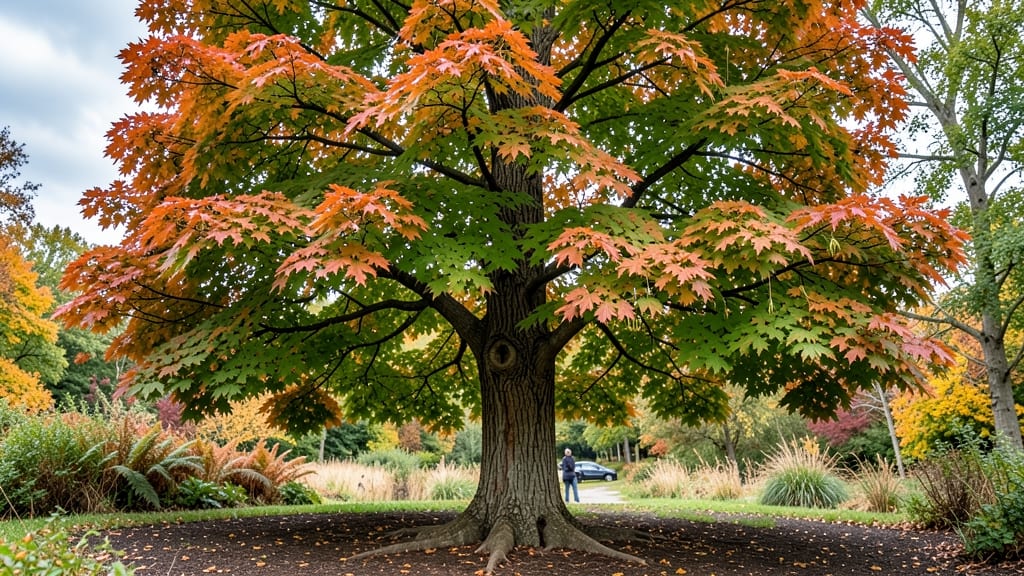
A maple tree’s mature height can grow how tall does a maple tree grow anywhere from 15 feet to towering 120 feet, depending on the species and growing conditions.
If you're dreaming of a towering shade provider or a stunning landscape centerpiece, understanding how tall maple trees grow is your first step—because some varieties reach skyscraper heights while others stay perfectly manageable.
Whether you’re planning a small backyard or a sprawling estate, knowing the height range of maple trees helps you choose the right variety for your space. Fast-growing types like the silver maple can shoot up 3-5 feet per year, while dwarf varieties stay compact.
Below, I’ll break down the height ranges by species, share tips for controlling growth, and help you decide if a maple tree is the right fit for your landscape.


Mature height ranges of maple trees by species: from dwarf to towering giants
Choosing the right maple tree for your landscape starts with understanding their mature height ranges. Some varieties grow like skyscrapers, while others stay compact enough for small yards.
The sugar maple, for example, typically reaches 40-70 feet, making it a classic shade provider, while dwarf varieties like 'Autumn Fantasy' max out at just 10-20 feet. These differences aren't just about aesthetics—they directly impact spacing, pruning needs, and even property line considerations.
Maple trees are divided into three main height categories: dwarf (10-20 ft), standard (40-120 ft), and everything in between. The silver maple often tops out around 50-80 feet, while the red maple usually stays between 40-60 feet.
Even within species, growth rates vary based on climate, soil quality, and sunlight exposure. For instance, a Norway maple might grow 3-5 feet per year in ideal conditions, while a Japanese maple grows more slowly at 1-2 feet annually.
Here’s a quick reference for the most popular maple species and their mature heights:
| Species | Mature Height (ft) | Growth Rate (ft/year) | Best For |
|---|---|---|---|
| Sugar Maple | 40-70 | 1-2 | Large landscapes, shade |
| Silver Maple | 50-80 | 2-4 | Fast shade, wet soils |
| Red Maple | 40-60 | 1.5-3 | Urban areas, wildlife |
| Norway Maple | 40-60 | 3-5 | Dense shade, parks |
| Japanese Maple | 15-25 | 0.5-1.5 | Ornamental, small yards |
| Dwarf Maple (e.g., 'Autumn Fantasy') | 10-20 | 0.5-1 | Containers, patios |
| Freeman Maple | 30-50 | 2-3 | Medium yards, wildlife |
| Boxelder Maple | 40-70 | 2-4 | Fast-growing shade |
When planning your landscape, consider how a maple tree’s mature height will interact with your property. A 70-foot sugar maple needs at least 40 feet of clearance from structures, power lines, and sidewalks.
In contrast, a 15-foot Japanese maple can thrive in a small courtyard or near a deck. Always check local ordinances—some areas restrict tree heights near roads or buildings to prevent future issues.
Growth rates also play a critical role. Fast-growing varieties like the Norway maple or Autumn Blaze can add 3-5 feet per year, while slower growers like the Japanese maple take decades to reach maturity.
If you’re impatient for shade, opt for faster varieties, but be prepared for more aggressive pruning to manage their size. Soil moisture and sunlight further influence growth—silver maples thrive in wet soils and grow faster, while red maples prefer well-drained areas and grow more steadily.
For small gardens, dwarf maples are game-changers. Varieties like 'Autumn Fantasy' or 'Dragon's Blood' stay under 20 feet but deliver stunning fall colors and compact canopies. These are perfect for container gardening
Fastest-growing maple varieties for quick shade: height growth rates compared
If you're craving instant shade or a dramatic landscape statement, some maple varieties deliver unmatched speed—growing 3-5 feet annually in ideal conditions. These powerhouses transform bare yards into lush canopies faster than slower-growing species, making them perfect for quick privacy screens or statement focal points.
But not all fast growers reach the same height, so let’s break down the top 8 speedsters and their 10-year projections.
For example, the 'Autumn Blaze' maple shoots up 3-5 feet per year and hits 40-50 feet in a decade, while the 'October Glory' grows 2-4 feet annually but still clocks in at 35-45 feet by year 10.
These rates depend on soil quality, water access, and sun exposure, but the numbers below assume optimal conditions in USDA zones 5-8.
The 'Autumn Blaze' leads the pack with 3-5 feet per year, making it ideal for large properties where you want shade fast. Plant it 30-40 feet from structures to avoid root conflicts and ensure its spreading canopy doesn’t encroach on sidewalks.
Pair it with mulch and deep watering to maximize its growth spurt.
For smaller spaces, the 'October Glory' offers a balanced approach with 2-4 feet annually and a 35-foot projection at 10 years. Its vibrant fall colors add seasonal interest without overwhelming tight yards. Space it 25-30 feet from buildings and prune lower branches annually to maintain an open crown.
If you’re after fast shade with compact roots, the 'Armstrong' maple grows 2-3 feet per year but stays under 30 feet at maturity. Perfect for urban gardens, it tolerates soil compaction and pollution, making it a resilient choice for city landscapes.
Plant it 20 feet from structures and avoid heavy pruning to preserve its natural shape.
For bold red foliage and rapid growth, the 'Red Sunset' maple delivers 2-3 feet annually with a 30-35 foot projection at 10 years. Its disease resistance and adaptability to various soils make it a low-maintenance powerhouse.
Space it 30 feet from other trees to prevent root competition and ensure optimal growth.
To harness these growth rates, prioritize well-draining soil, full sun exposure, and consistent moisture during the first 3 years. Avoid planting near overhead power lines—even fast growers can outpace expectations!
With the right variety and care, you’ll enjoy shade in a decade instead of waiting for decades.