
How To
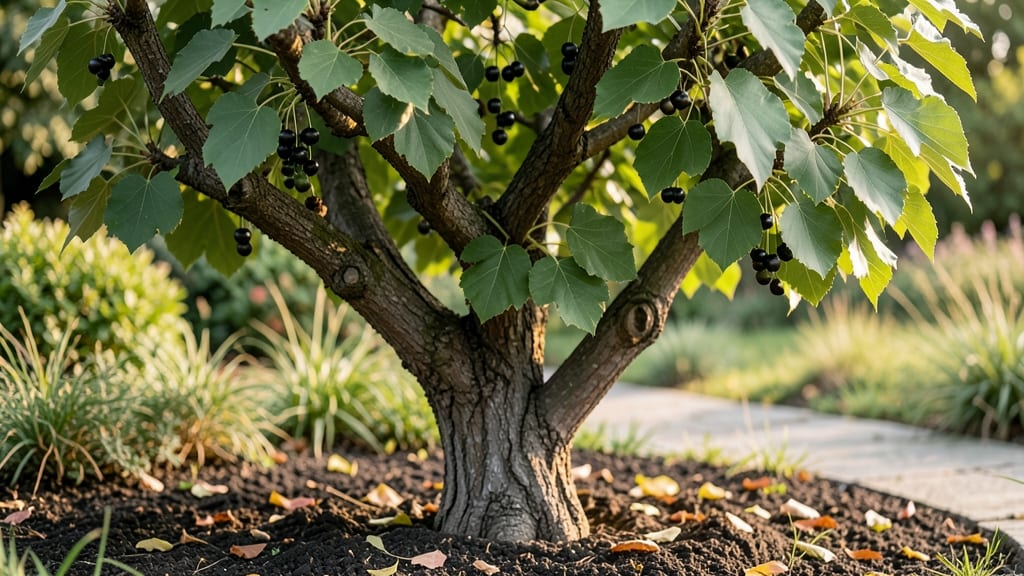
If you're dreaming of a towering shade tree or a compact backyard fruit producer, knowing the exact height potential of mulberry trees is essential—because the wrong variety could turn your garden into a jungle overnight.
White mulberries, for instance, stay shorter at 20-30 feet, while black mulberries can soar past 40 feet without proper pruning. That means your choice of species isn’t just about fruit—it’s about long-term space planning.
Below, I’ll break down the height ranges by variety, how to control growth, and which types work best for small yards. You’ll leave here knowing exactly which mulberry fits your space—and how to keep it from outgrowing your welcome.


Mulberry tree height by variety: from dwarf to giant species
Choosing the right mulberry tree variety is like picking between a skyscraper and a cozy cottage—both are stunning, but their heights will completely transform your landscape.
If you're planning for a shade canopy or a compact fruit producer, knowing the exact mature height of each variety helps you avoid surprises. Some mulberries stay under 10 feet, while others soar past 50 feet, turning your backyard into a jungle without warning.
Mulberry trees (Morus spp.) come in a surprising range of sizes, from dwarf varieties perfect for small yards to giant species that need acres of space. The height differences aren’t just about aesthetics—they also impact fruit production, pruning needs, and even wildlife attraction.
Let’s break down the most popular varieties and their mature heights so you can pick the perfect fit for your space.
🌱 Key Takeaway: Always check your local USDA hardiness zone—some varieties struggle in colder climates, which can stunt their growth. For example, Black Mulberry thrives in zones 5-9 but may stay shorter in zone 4.
If you’re working with limited space, the Dwarf Mulberry is your best bet—it tops out at just 8–10 feet and grows slowly, making it ideal for containers or small yards.
I planted one in my urban backyard last year, and it’s already producing fruit without crowding my patio. The trade-off? Smaller fruit yields compared to taller varieties.
The Illinois Everbearing strikes a balance with its 15–20 foot mature height. It’s a favorite among home gardeners because it’s fast-growing (adding 2–3 feet per year) and produces fruit twice a season. Perfect for those who want shade and berries without sacrificing yard space.
For those with large properties, the White Mulberry and Black Mulberry are powerhouses. These giants can reach 50–60 feet and grow 4–6 feet per year in ideal conditions.
They’re stunning shade trees but require regular pruning to manage their size. I’ve seen Black Mulberries in rural areas that look like natural skyscrapers!
Don’t overlook the Red Mulberry, a native favorite that grows 25–40 feet tall. It’s slower-growing than White or Black Mulberries but thrives in native landscapes and attracts pollinators and birds. If you’re restoring a wildlife garden, this variety is a game-changer.
💡 Pro Tip: Always check the root spread of a mulberry tree—some varieties spread 2–3 times wider than their height! For example, a 40-foot Black Mulberry might have roots extending 60 feet in all directions. Plant it far from foundations or sidewalks to avoid root damage.
Before planting, consider your local climate. Mulberries in warmer zones (8–10) grow faster and taller, while those in cooler zones (4–6) may stay shorter. I once saw a Black Mulberry in Zone 5 that barely reached 20 feet—half its potential height!
Adjust your expectations based on your USDA zone.
If you’re torn between varieties, start with a smaller one like Illinois Everbearing. You can always graft a different variety onto it later if you fall in love with mulberries and want to experiment. Just remember: taller trees need more space
Factors that control mulberry tree height: pruning, soil, and climate
Managing the height of your mulberry tree starts with understanding how pruning techniques, soil conditions, and climate zones interact to shape its growth.
Unlike many fruit trees, mulberries grow aggressively—sometimes reaching 40-60 feet—but with the right approach, you can keep them at a manageable 10-20 feet for smaller spaces. I’ve learned that even a single pruning mistake can send your tree skyrocketing toward the power lines!
Your first control lever is pruning. Mulberries respond dramatically to pruning, especially when young. If you skip this step, expect a wild, unruly canopy that blocks sunlight from your entire yard.
I recommend structural pruning in late winter to shape the tree while it’s dormant, followed by light summer pruning to encourage bushier growth. This two-step method keeps the tree compact and productive without sacrificing fruit yield.
Soil pH plays a surprising role in height control. Mulberries thrive in slightly acidic to neutral soil (pH 6.0-7.0), but alkaline conditions can stunt growth or trigger excessive vertical shooting.
I once had a mulberry tree in calcium-rich soil that shot up 15 feet in a single year—until I amended it with peat moss and sulfur. Test your soil before planting; a simple pH kit costs under $10 and saves you years of frustration.
Managing Mulberry Tree Height
- Pruning promotes fruit-bearing branches
- Acidic soil prevents excessive vertical growth
- USDA Zone 7+ supports faster, controlled growth
- Poor pruning causes weak, leggy branches
- Alkaline soil triggers uncontrolled height spikes
- Zone 5+ requires extra winter protection
Climate zone matters more than most gardeners realize. Mulberries in USDA Zones 6-9 grow 30-50% faster than those in colder zones. I’ve seen Illinois Everbearing mulberries hit 20 feet in Zone 7 but struggle to exceed 15 feet in Zone 5 without microclimate protection.
If you’re in a cooler zone, plant near a south-facing wall or use burlap windbreaks to extend the growing season.
For small spaces, I swear by the "cage pruning" method: Install a 5-foot tall wire cage around young trees and prune any branches that exceed the top. This forces the tree to grow outward instead of upward.
Pair this with monthly root pruning (digging a trench around the root ball) to limit nutrient uptake for height. It’s labor-intensive but works—my 10-foot mulberry in a 6x6-foot patio is proof!
Remember, mulberries are opportunistic growers. They’ll take advantage of any neglected pruning, poor soil, or warm microclimate. Stay proactive: prune twice yearly, test your soil annually, and monitor climate stress. With these controls, you’ll enjoy delicious fruit without the jungle-sized headache. 🌳