
How To
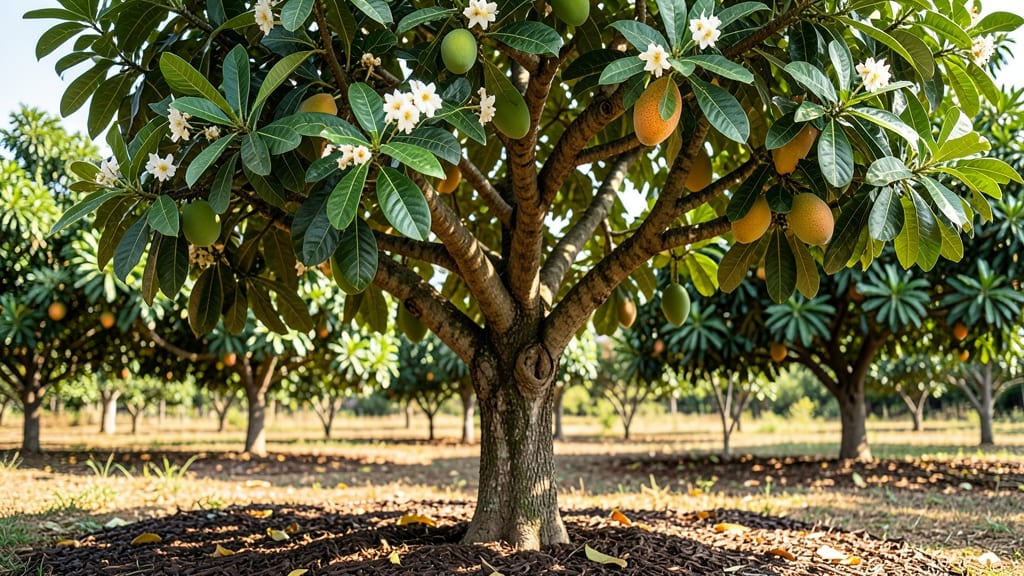
A mango tree can grow how tall can a mango tree grow to towering heights 🥭 — some varieties stretch over 100 feet in ideal tropical conditions, while others stay manageable for home gardens.
If you’ve ever dreamed of harvesting tropical mangoes straight from your backyard, you’re probably wondering: How tall can a mango tree grow? The answer isn’t one-size-fits-all—some varieties stay compact enough for pots, while others tower like jungle giants.
Standard mango trees reach 30 to 60 feet at maturity, making them better suited for commercial orchards than suburban yards. But dwarf varieties—like the popular 'Cogshall' or 'Julie'—top out around 15 to 25 feet, perfect for containers or small spaces.
Below, I’ll break down the height ranges by variety, how to control growth with pruning and grafting, and whether your yard can handle a full-sized tropical giant. Let’s dive in!


Mango tree height by variety: from dwarf to towering giants
Choosing a mango tree for your garden starts with understanding its potential height. Some varieties stay manageable at 10-15 feet, perfect for containers or small yards, while others can reach 60+ feet, dominating landscapes like tropical giants.
The key difference lies in their genetic roots—some are bred for compact growth, while others follow their wild, towering ancestors. Let’s break down the height ranges by variety so you can pick the perfect fit for your space.
Your climate plays a huge role in how tall your mango tree will grow. Tropical varieties like Keitt or Haden thrive in warm, humid zones (USDA Zones 10-11) and can reach their full 50-60 foot potential.
In cooler microclimates, even standard varieties may stay shorter, often 20-30 feet, due to slower growth rates. Always check your local frost dates—mangoes hate cold snaps and will struggle to reach their maximum height if winter temperatures dip below 30°F.
Here’s the game-changer: dwarf varieties. These aren’t just smaller—they’re genetically modified to stay under 15 feet even at maturity. The Cogshall mango, for example, tops out at 12-15 feet and produces fruit in just 3-5 years, making it ideal for urban gardens or patios.
The trade-off? They may produce slightly smaller fruit, but the convenience of harvesting from a ladder (or even ground level) is worth it for many growers.
If you’re eyeing a standard mango tree like Haden or Keitt, prepare for a long-term commitment. These varieties can take 5-7 years to bear fruit and will need 20+ feet of vertical space.
Their rapid growth—sometimes 4-6 feet per year—means you’ll need to plan for pruning early to manage height and shape. Without intervention, these trees can become unruly, with dense canopies blocking sunlight from lower branches.
For those in cooler climates (Zones 8-9), consider semi-dwarf varieties like Osteen or Carrie. These typically reach 25-35 feet and handle slightly cooler temperatures better than tropical giants. They’re a happy medium—tall enough for a statement piece but manageable with regular pruning.
Just be prepared to bring potted trees indoors during winter if temperatures drop below 40°F.
Pruning isn’t just about height control—it’s about fruit production. Mango trees produce fruit on new growth, so aggressive pruning can reduce yields. Aim to remove only 10-20% of the canopy annually, focusing on dead or crossing branches.
The best time to prune is late winter or early spring, just before new growth begins. This ensures your tree maintains its shape while still setting fruit for the season.
Pro tip: If you’re growing mangoes in containers, choose dwarf varieties and use large pots (3+ feet in diameter) to accommodate root growth. Container-grown mangoes will stay shorter, but they’ll also need more frequent watering and fertilization to compensate for limited soil volume.
Move pots to a sheltered spot during winter to protect roots from frost.
Remember, even dwarf mango trees can outgrow their space if neglected. Monitor your tree’s growth annually and adjust pruning or container size as needed. With the right variety and care, you can enjoy homegrown mangoes without sacrificing your yard’s layout—or
How to control mango tree height: pruning, grafting, and container gardening
If your backyard space is limited but you still crave homegrown mangoes, don’t worry—you can absolutely manage a mango tree’s height. The key lies in understanding three proven methods: strategic pruning, smart grafting techniques, and container gardening.
Each approach offers unique benefits depending on your space and goals. For example, dwarf varieties like 'Cogshall' max out at 15–20 feet, while standard types can reach 50+ feet if unchecked.
Before diving into techniques, remember that mango trees grow fastest during spring and summer. This is your best window for pruning or grafting to control height. I’ve found that combining pruning with container limits works best for urban gardeners.
Let’s break down each method step-by-step so you can choose what fits your space and lifestyle.
Step-by-Step Height Control Guide
-
Step 1: Choose Your Method
Pruning: Best for established trees (cut back 25-30% of growth annually). -
Step 2: Prune at the Right Time
Late winter or early spring (before new growth). Use sterilized pruners to avoid disease. -
Step 3: Graft Dwarf Scions
Graft dwarf rootstock onto a standard tree’s trunk to limit height naturally. -
Step 4: Container Gardening
Use large pots (20+ gallons) with drainage holes to stunt root growth. -
Step 5: Monitor and Repeat
Check height monthly and adjust pruning/grafting as needed.
When pruning, always target suckers and water sprouts—these are the fastest-growing branches that can send your tree skyrocketing. I like to make cuts just above a leaf node or outward-facing bud to encourage healthy regrowth.
For grafting, air-layering is my go-to method for dwarf varieties. It’s less invasive than traditional grafting and works well with young trees.
Container gardening is a game-changer for small spaces. A 50-gallon pot can comfortably hold a dwarf mango tree for years, provided you use well-draining soil and fertilize monthly during growing seasons.
Just remember: containers dry out faster, so water deeply every 3–4 days in hot climates. I’ve seen container-grown mangoes thrive in USDA Zone 10 with proper care.
One common mistake I see is pruning too late in the season. If you wait until summer, your tree may bolt new growth that’s vulnerable to pests or frost. Always prune in late winter when the tree is dormant but before buds swell.
For grafting, timing is equally critical—do it in early spring when sap is flowing but before leaves emerge.
Finally, don’t underestimate the power of regular maintenance. Even dwarf varieties need occasional pruning to maintain shape and encourage fruiting. I recommend a light trim every 6 months to keep your mango tree healthy and productive. With these techniques, you can enjoy homegrown mangoes without sacrificing your backyard’s layout!