
Pruning
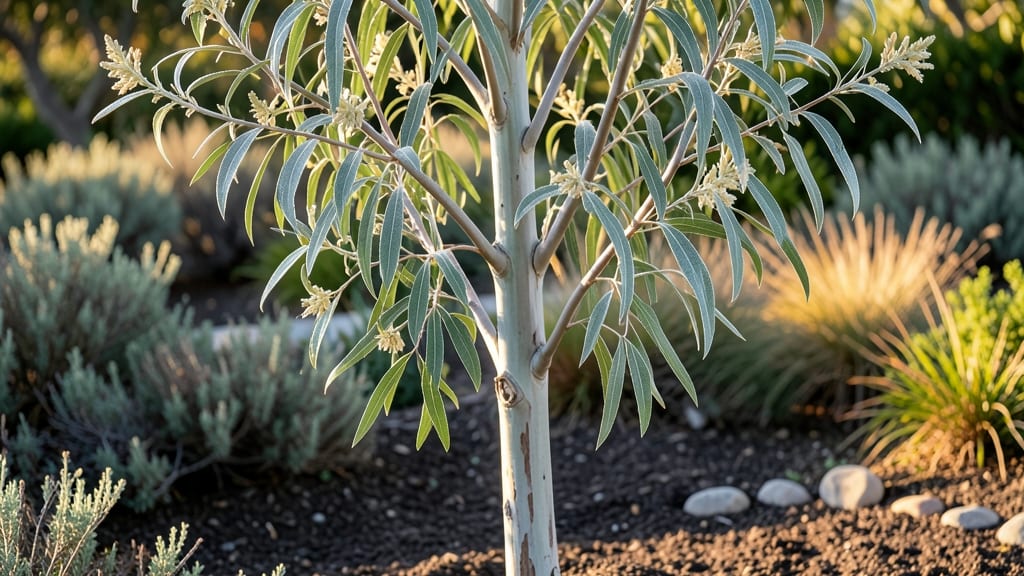
Eucalyptus trees in Zone 7 struggle with winter temperatures below 10–20°F, as most species suffer frost damage that causes leaf browning and stem dieback. Hardy varieties like Eucalyptus pauciflora (Snow Gum) endure down to 5°F, but tropical eucalyptus types require winter protection or container relocation. Proper pruning and mulching in late fall can significantly boost survival odds.
Zone 7's winters present a real challenge for eucalyptus trees, since most varieties originate from warmer climates. 🌬️ The key is selecting cold-tolerant species or creating sheltered growing conditions—like south-facing slopes or windbreaks—to shield roots from freezing.
I've seen dramatic differences in survival rates by using 4–6 inches of straw mulch around the base, which insulates roots better than synthetic materials. For container-grown trees, moving them to unheated garages during hard freezes can save them entirely.
What many gardeners overlook is how frost affects eucalyptus differently based on age. Younger trees often recover better from cold damage than mature ones, which is why I recommend planting them in containers during their first few years in Zone 7.
The trade-off? Containerized trees need more frequent watering and may require larger pots as they grow. Still, the flexibility to move them indoors during extreme cold makes it worth the extra effort.
💡 In This Article
- Cold Hardiness Limits of Eucalyptus Species in Zone 7
- Zone 7 Winter Survival Strategies for Eucalyptus Trees
Cold hardiness limits of eucalyptus species in Zone 7
The cold tolerance of eucalyptus trees varies dramatically between species, with some capable of surviving Zone 7 winters while others require constant protection. Most eucalyptus varieties originate from Australia's temperate to tropical regions, where winter lows rarely drop below 30°F.
This means that when Zone 7 temperatures plunge to 10–20°F—common in winter—many species experience irreversible damage.
The key difference lies in their native climates: alpine species like Eucalyptus pauciflora (Snow Gum) evolved in Australia's high country where temperatures can drop to 5°F, while coastal varieties like Eucalyptus globulus (Blue Gum) struggle below 25°F. 🌡️
Frost damage occurs in two critical phases: first, when water in leaf cells freezes and ruptures their membranes, causing brown, crispy foliage. Second, when roots freeze, which disrupts nutrient and water uptake, leading to long-term decline.
The bark of eucalyptus trees contains oils that normally repel water, but when temperatures fall below 20°F, these oils can actually concentrate and damage the bark's protective layer.
This is why you often see peeling bark on eucalyptus after a hard freeze—it's a sign the tree is struggling to protect itself. In Zone 7, where winter lows can reach 0°F in some areas, even cold-hardy species may need extra protection during prolonged cold snaps.
Microclimates play a huge role in survival, especially in urban areas where concrete and buildings trap heat. A south-facing slope can raise temperatures by 5–10°F compared to a north-facing yard, making all the difference for marginal cold-hardy species.
Rural areas with open fields may experience 10°F colder temperatures than nearby towns due to the urban heat island effect. For example, Eucalyptus vernicosa (Tallowwood) might survive winters in a city like Raleigh, NC, but could fail in the surrounding countryside where nights are colder. 🌿
Here's how different eucalyptus species stack up in Zone 7 conditions:
- Cold-hardy species: Eucalyptus pauciflora (Snow Gum, 5°F), E. urnigera (Tasmanian Blue Gum, 10°F)
- Moderately cold-tolerant: E. dalrympleana (Cider Gum, 15°F), E. viminalis (Manna Gum, 20°F)
- Tropical species (need protection): E. globulus (Blue Gum, 25°F), E. camaldulensis (River Red Gum, 28°F)
What most gardeners don't realize is that even cold-hardy eucalyptus trees can suffer from winter desiccation—a condition where dry winter winds draw moisture from leaves faster than roots can replace it. This often happens in Zone 7 when daytime temperatures rise above 40°F while nights remain freezing.
The result? Leaf edges turn brown and crispy, even on species that should theoretically survive the cold. This is why proper winter watering (keeping soil moist but not soggy) is just as important as temperature protection. 💧