
Propagation
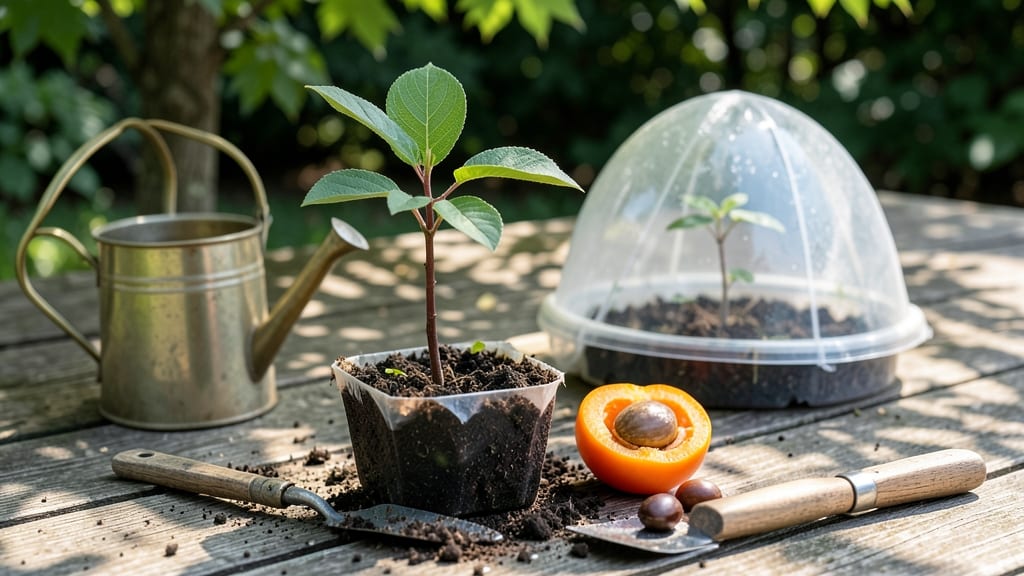
You can grow a persimmon tree from seed, but the process yields inconsistent fruit quality and demands 2-3 years of cold stratification before germination. Success depends on proper soil conditions and patience, though grafted trees consistently produce better results faster.
Starting a persimmon tree from seed is a rewarding challenge, but it's important to understand the trade-offs. 🌱 Unlike grafted trees—which inherit proven fruit traits—seedlings may develop unpredictable flavors, sizes, and even color variations.
The cold stratification process mimics winter dormancy, breaking seed dormancy by exposing them to 32-40°F temperatures for months. I've found that using a mix of sand and peat moss helps maintain proper moisture levels during this critical phase.
While the journey takes time, the satisfaction of nurturing a tree from its earliest stages makes it worthwhile for dedicated gardeners.
For those eager to enjoy persimmons sooner, grafting remains the gold standard. Grafted trees not only mature faster but also guarantee fruit quality matching the parent plant. However, if you're willing to embrace the gamble, seed-grown trees can develop unique characteristics that make them special additions to any orchard.
💡 In This Article
- Persimmon Seed Germination Process Explained
- Grafting vs Seed-Grown Persimmon Trees: Pros and Cons
Persimmon seed germination process explained
The persimmon seed's journey to becoming a tree begins with a critical phase called stratification, which mimics the natural winter dormancy period. Persimmon seeds require 2-3 months of cold treatment between 32-40°F to break their natural dormancy.
This cold exposure triggers internal biochemical changes that prepare the seed for germination. Without this step, seeds may remain dormant for years or never sprout at all. 🌱
To replicate this process at home, place seeds in a damp mix of sand and peat moss (or a commercial seed-starting mix) inside a sealed container. Store it in your refrigerator's crisper drawer, where temperatures stay consistently cool.
The moisture level should remain high but not soggy—think of a wrung-out sponge. After 8-12 weeks, transfer the container to a warm (70-75°F) location with bright, indirect light. Germination typically occurs within 2-4 weeks after this temperature shift.
Soil conditions play a crucial role in seedling survival. Persimmons thrive in well-draining, slightly acidic soil with a pH of 5.5-6.5. A mix of 60% topsoil, 30% compost, and 10% perlite creates an ideal growing medium.
Young seedlings are particularly vulnerable to root rot, so avoid overwatering. Instead, keep the soil consistently moist but never waterlogged—persimmons hate "wet feet."
What most gardeners don't realize is that persimmon seeds contain a chemical called tannin, which acts as a natural preservative and can delay germination. This is why some seeds may take longer to sprout even after proper stratification.
The tannin also contributes to the fruit's astringent taste when unripe—nature's way of protecting the seed until it's fully mature. 🍂
Once sprouted, young persimmon seedlings grow slowly at first, with the first true leaves appearing after 4-6 weeks. At this stage, they're highly sensitive to temperature fluctuations. If nighttime temperatures drop below 50°F, consider using a small greenhouse or row cover to protect tender new growth.
This patience-paying phase can last 6-12 months before the seedling develops its first woody stem.
For best results, plant seedlings outdoors only after they've developed 3-4 sets of true leaves and nighttime temperatures consistently stay above 55°F. This gradual hardening-off period prevents transplant shock.
Remember, each persimmon seed carries unique genetic potential—your seedling might develop into a tree with fruit that's sweeter, larger, or more astringent than its parent, making every step of this process an exciting experiment in nature.