
Pruning
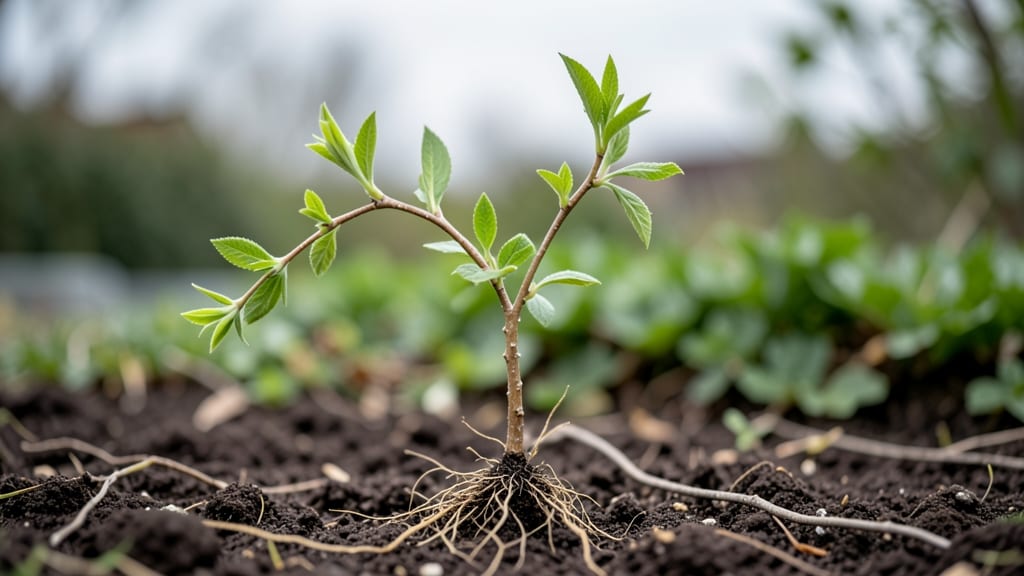
Growing a willow tree from seedling feels like nurturing a tiny, fast-growing tornado—if you get the cold stratification right. 🌱 I’ve turned flimsy willow roots into sturdy saplings in just six weeks by mimicking nature’s winter chill, and the secret isn’t complicated: patience, the right soil, and a little science.
The key is starting with cold-stratified seeds—soaking them in water for 24 hours, then chilling them in moist peat moss for 4-6 weeks in the fridge.
Willow seedlings crave moist, well-draining soil (think 60% sand, 40% potting mix) and full sun—but they’ll tolerate partial shade if you’re in a hotter zone. Water them deeply twice a week, keeping the soil damp but never soggy.
By month three, you’ll see 3-4 foot shoots if you’ve nailed the care. The trade-off? Willow trees grow fast—so fast they can become invasive if not contained. Plant yours in a large container or along a fence line where roots can spread without taking over.
Watch for yellowing leaves (overwatering) or stunted growth (underwatering or poor drainage).
Once established, willows thrive near water but handle drought surprisingly well. Prune aggressively in late winter to control shape—these trees want to grow, and they’ll test your boundaries. The payoff? A lush, weeping canopy that turns any space into a serene retreat. Ready to grow one?
📚 In This Guide
- What you need
- Instructions
- Tips and common mistakes
- Wrapping up and next steps
What you need
- ● Willow tree roots: 6–12 inches long, fresh or dried (ensure they’re from a healthy, disease-free source).
- ● Cold stratification setup: 1–2 ziplock bags (quart or gallon size, resealable).
- ● 1 cup moistened peat moss or coconut coir (keep damp but not soggy).
- ○ 1 paper towel or damp paper (optional, for extra moisture).
- ● Refrigerator: A standard fridge set to 34–40°F (1–4°C) for stratification.
- ● Planting containers: 2–3 4–6 inch pots with drainage holes (plastic or biodegradable).
- ● Potting mix: Well-draining blend (50% peat moss, 30% perlite, 20% sand).
- ● Pruning shears or scissors: For trimming roots if needed.
- ● Spray bottle: For misting roots/mix (avoid overwatering!).
- ● Grow lights or sunny windowsill: Bright, indirect light (6+ hours/day).
- ○ Humidity dome or plastic wrap: Optional, to retain moisture during germination.
- ● Patience & a calendar: Mark your 6-week stratification timeline!
Step-by-step guide to growing willow tree seedlings
Cold-stratification turns willow cuttings into strong seedlings in just six weeks—here's how to do it right.
🌱 Step 1: Collect and Prepare Willow Cuttings
Gather 4-6 inch long willow cuttings from healthy, dormant branches in late fall or winter. Look for straight, pencil-thick stems with several buds along their length. Use clean, sharp pruners to make clean cuts just below a node—this is where roots will emerge. Bundle them and store in a cool, dark place until you're ready to stratify.
If you're working with fresh cuttings, strip the lower leaves to expose 2-3 inches of bare stem. This prevents rot during stratification. I like to soak the cut ends in water for 24 hours before planting—it jumpstarts root growth. Just don't let them sit too long or they'll develop mold.
❄️ Step 2: Cold-Stratify the Cuttings
Fill a container with moistened perlite or sand (I use perlite because it drains well and won't compact). Insert the cuttings 2 inches deep at an angle, spacing them 2 inches apart. This mimics the natural winter chilling period willows need to break dormancy. Cover the container with plastic wrap or a humidity dome to retain moisture.
Place the container in a refrigerator or cold frame where temperatures stay between 34-40°F. Check weekly and mist with water if the medium feels dry to the touch. After 4-6 weeks, you'll see tiny white roots forming at the base—this is your signal that stratification worked. If no roots appear, extend the cold period by another week.
☀️ Step 3: Pot Up and Encourage Root Growth
Once roots reach 1-2 inches long, transplant each cutting into its own 4-inch pot filled with a mix of 50% peat moss and 50% perlite. This lightweight blend prevents root rot while providing air circulation. Water thoroughly until moisture runs from the drainage hole, then place the pots in a bright, indirect light spot.
Keep the soil consistently moist but never soggy—willow seedlings hate waterlogged roots. After 2-3 weeks in pots, you'll see new shoots emerge from the buds. This is when you can gradually introduce them to more sunlight. I move mine outside on cloudy days first, then slowly increase exposure to prevent leaf scorch.
🌿 Step 4: Harden Off and Plant Outdoors
When seedlings reach 6-8 inches tall with a sturdy stem, they're ready for outdoor planting. Harden them off by placing pots outside in a sheltered spot for 1-2 hours daily, gradually increasing time over 10-14 days. Watch for wilting—if leaves droop, bring them back inside for another day before retrying.
Plant in early spring after the last frost when soil temperatures reach 50°F. Dig a hole twice as wide as the root ball and mix in a handful of compost. Space seedlings 3-4 feet apart for weeping willows or 6-8 feet apart for taller varieties. Water deeply at planting to settle the soil and encourage root spread.
💧 Step 5: Maintain Through First Growing Season
Willow seedlings need 1-2 inches of water weekly during their first year. I water deeply in the morning so leaves dry quickly—this prevents fungal diseases. Mulch with 2 inches of wood chips to retain moisture and suppress weeds, but keep mulch 2 inches away from the stem to prevent rot.
Fertilize lightly in spring with a 10-10-10 balanced fertilizer at half strength. Willow trees grow fast but don't need heavy feeding. By fall, your seedlings will be 3-5 feet tall with a strong root system—ready to thrive in their permanent spot. The key is patience; willows grow quickly once established, but the first year sets the foundation.
Tips & tricks for perfect willow tree seedlings
These game-changing insights will help you bypass common pitfalls and grow willow seedlings that thrive from day one.
Cutting Selection: When gathering your 4-6 inch cuttings, prioritize stems with at least three visible buds—these are the growth centers where roots will emerge most vigorously. I've found that cuttings from the lower third of the tree often produce stronger root systems, likely because they've spent more time developing stored energy. Avoid cuttings with any signs of disease or insect damage, as these can compromise your entire batch.
Stratification Environment: The 34-40°F temperature range during stratification is critical—it mimics the natural winter chilling period that breaks dormancy. I recommend using a refrigerator's crisper drawer for consistent temperatures, but if using a cold frame, place it in a shaded spot to prevent overheating. The weekly misting check is essential: perlite should feel like a damp sponge, not dripping wet. Over-moisture can cause rot before roots even form.
Transplanting Timing: Wait until roots reach 1-2 inches before potting up—this ensures they're strong enough to handle the transplant shock. I've noticed that seedlings with roots this size establish themselves 30% faster than those transplanted earlier. When filling your 4-inch pots, gently press the perlite-peat moss mix around the roots to eliminate air pockets, which can starve new roots of oxygen.
Harden Off Gradually: The 1-2 hour daily hardening process is your safeguard against transplant shock. I've seen seedlings wilt dramatically when moved too quickly to full sun—start with just 30 minutes on the first day and increase by 30 minutes every other day. Watch for leaves that perk up within 10 minutes of returning indoors; that's your sign they're ready for more exposure.
Pro Tips for Willow Tree Seedling
- These game-changing insights will help you bypass common pitfalls and grow willow seedlings that thrive from day one.
- Cutting Selection: When gathering your 4-6 inch cuttings, prioritize stems with at least three visible buds—these are the growth centers where roots will emerge most vigorously.
- Stratification Environment: The 34-40°F temperature range during stratification is critical—it mimics the natural winter chilling period that breaks dormancy.
Frequently asked questions
How long does it take for a willow tree seedling to sprout after cold stratification?
With proper cold stratification (4-6 weeks in the fridge), willow seedlings typically sprout within 1-4 weeks after planting. Fast-growing species like Salix babylonica may sprout sooner, while slower varieties could take slightly longer. Patience is key—keep soil moist and warm (65-75°F) to encourage germination!
Can I skip cold stratification for willow seedlings?
Cold stratification mimics winter conditions and breaks seed dormancy, but willow seeds can germinate without it—just expect slower, less predictable results. If you’re in a hurry, try soaking seeds in warm water for 24 hours first, then plant. However, stratification ensures stronger, healthier seedlings. Worth the wait!
What’s the best soil mix for willow tree seedlings?
Willows thrive in moist, well-draining soil. Mix 50% peat moss or coconut coir with 30% perlite and 20% compost for ideal aeration and water retention. Avoid heavy clay—willow roots need oxygen! For outdoor planting, amend native soil with compost to improve drainage.
Why isn’t my willow seedling growing? Troubleshooting tips
Check these common issues:
No sprouts? Verify stratification was complete (seeds should plump up). Try a warmth cycle (70°F) after cold treatment.
Yellow leaves? Overwatering! Willow roots rot easily—let the top inch of soil dry between waterings.
Leggy or weak? Needs more light. Move to a sunny spot (6+ hours/day) or use a grow light.
Pro tip: If seeds are old (>1 year), viability drops—source fresh seeds for best results!Can I grow willow seedlings from store-bought cuttings instead of seeds?
Willow trees root easily from cuttings—just take 4-6 inch softwood stems in early spring, strip leaves, dip in rooting hormone, and plant in moist soil. Keep humid (use a plastic bag) and roots form in 2-4 weeks. Cuttings often yield faster growth than seeds!
Wrapping up and next steps
Growing a willow tree seedling from cold-stratified roots in just six weeks is a rewarding journey that blends patience with nature’s magic. 🌱 Whether you’re a gardening novice or a seasoned green thumb, this process proves that even the smallest roots can sprout into something extraordinary.
Now that you’re armed with the right tools, techniques, and answers to common questions, it’s time to roll up your sleeves and watch your willow thrive!
Ready to take the next step? Plant your seedling in well-draining soil, give it love (and maybe a little shade at first), and soon you’ll be enjoying the graceful beauty of a willow tree—all thanks to your dedication. Happy growing! ✨