
How To
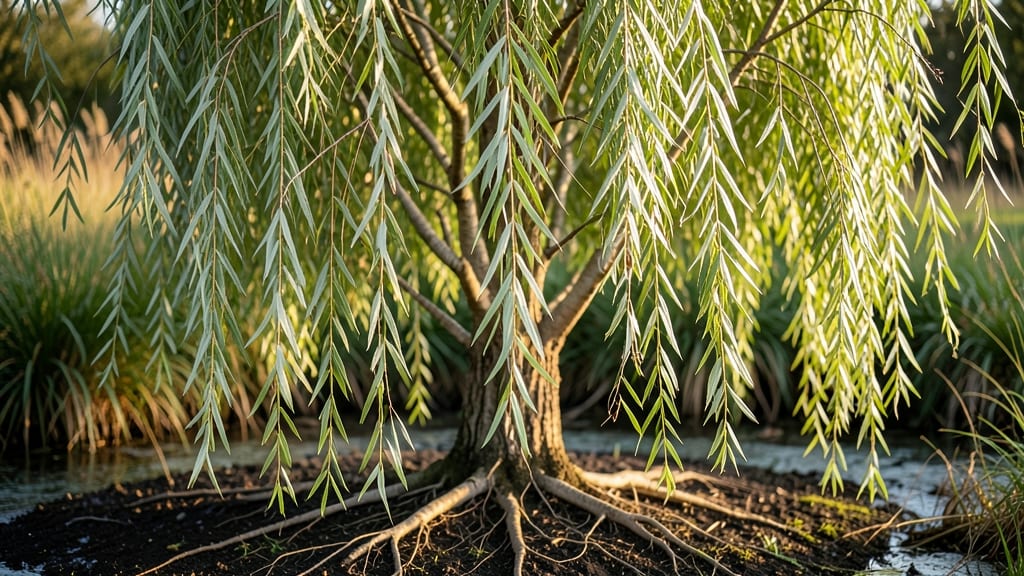
A willow tree can grow 30 to 50 feet tall—some varieties even 10 feet in a single season—but their rapid growth means careful planning is key before you plant one.
Willow trees are nature’s fast-growing giants—some varieties can shoot up over 10 feet in a single season, but their towering height comes with trade-offs for your yard. Before planting, knowing exactly how tall your willow tree will grow—and how quickly—could save you from costly pruning battles or neighborly disputes.
Not all willows are created equal: a weeping willow 🌳 might reach 40 feet with its graceful, drooping branches, while a pussy willow stays shorter at 15 to 20 feet. Soil quality, climate, and water availability can push heights even higher—or stunt them if conditions aren’t right.
In this guide, you’ll learn which varieties fit your space, how to control their growth, and the 3 most critical care steps to keep them from becoming an unruly giant in your landscape.


Willow tree height by variety: fastest-growing types and their ultimate heights
Willow trees are among the fastest-growing trees in the world, with some varieties gaining 10 feet or more in a single growing season. But not all willows reach the same towering heights—some stay compact while others become towering giants.
Understanding these differences helps you choose the perfect variety for your space, whether you want a privacy screen, a landscape focal point, or a water feature accent.
Before planting, consider that willow trees often outgrow their welcome. Their aggressive root systems can damage foundations, clog drains, and even invade neighboring properties. The key is selecting a variety that matches your yard's size and your long-term vision for the landscape.
Below is a detailed comparison of the most popular willow varieties, their mature heights, and annual growth rates. I’ve also included comparisons to common trees (like oaks and maples) to help you visualize their eventual size.
For example, a Weeping Willow can dwarf a 20-foot maple tree in just a few years, while a Dwarf Pussy Willow stays small enough for urban gardens. Let’s dive into the specifics so you can make an informed choice.
| Variety | Mature Height | Annual Growth Rate | Growth Comparison | Best For |
|---|---|---|---|---|
| Weeping Willow (Salix babylonica) | 30–50 ft | 1–3 ft/year | Taller than a 3-story building | Ponds, large yards, privacy screens |
| White Willow (Salix alba) | 40–60 ft | 2–4 ft/year | Taller than a red oak | Rural properties, windbreaks |
| Crack Willow (Salix fragilis) | 40–65 ft | 3–5 ft/year | Taller than a maple | Large estates, riverbanks |
| Pussy Willow (Salix discolor) | 10–20 ft | 1–2 ft/year | Taller than a shrub rose | Small yards, containers |
| Dwarf Pussy Willow (Salix caprea 'Pendula') | 8–12 ft | 6–12 inches/year | Slightly taller than a bush | Urban gardens, patios |
| Golden Willow (Salix alba 'Vitellina') | 30–50 ft | 2–3 ft/year | Taller than a cherry tree | Landscaping accents, parks |
| Purple Osier (Salix purpurea) | 12–20 ft | 1–2 ft/year | Taller than a hydrangea bush | Borders, wildlife gardens |
| Coastal Plain Willow (Salix caroliniana) | 15–25 ft | 1–2 ft/year | <