
How To
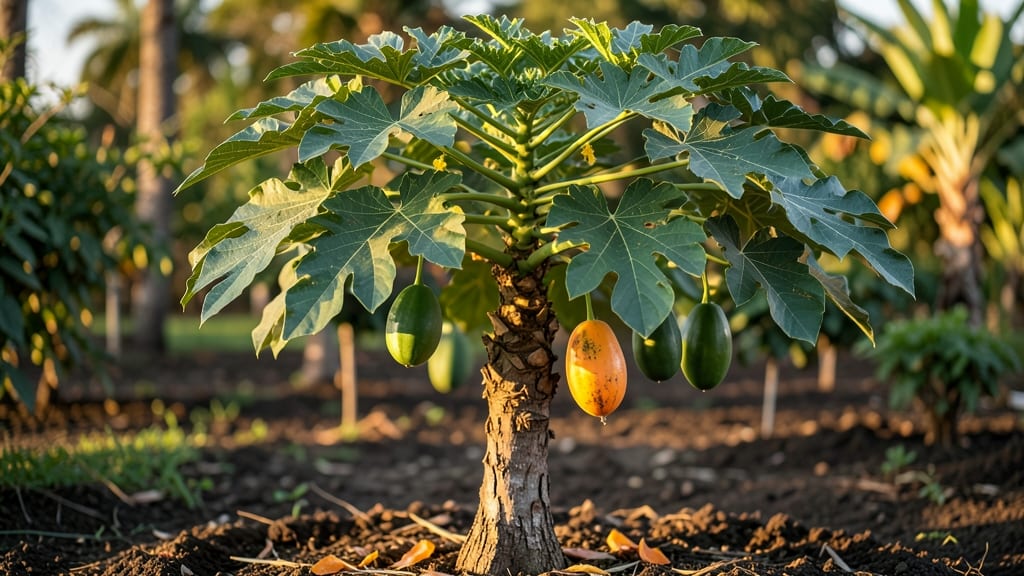
A papaya tree can grow 10 to 30 feet tall—fast, striking, and perfect for tropical gardens—but that height means planning ahead for space and support.
Imagine a 3-story tree 🍈 in your backyard, producing fruit in as little as six months. That’s the reality for many papaya varieties, but not all grow that tall.
Some stay compact, while others shoot up quickly if left unchecked. The key is choosing the right variety for your space and knowing how to manage its growth.
If you’re dreaming of backyard papayas, you’ll need to decide between dwarf-like varieties (though true dwarf types don’t exist) and standard trees that thrive with proper pruning. Without control, these trees can sprawl aggressively, making them a fast-growing challenge for small yards or containers.
In this guide, I’ll break down the height ranges of popular varieties, how to space them for optimal growth, and pruning tips to keep them manageable—so you can enjoy tropical fruit without sacrificing your garden layout.


Papaya tree height by variety: fastest-growing types and their maximum heights
If you're considering adding a papaya tree to your garden, understanding their growth potential is essential. These tropical beauties can grow 10 to 30 feet tall, depending on the variety and growing conditions.
Some varieties even reach maturity in as little as 6 months, making them one of the fastest-growing fruit trees. Let's explore the most popular types and their impressive heights.
Papaya trees thrive in USDA Zones 10-12 but can be grown in cooler zones with proper care. The growth rate and maximum height vary significantly between varieties, so choosing the right one for your space is crucial.
Whether you have a large backyard or a small patio, there's likely a papaya variety that fits your needs.
| Variety | Mature Height (ft) | Growth Rate | Climate Needs | Fruit Color |
|---|---|---|---|---|
| Solo | 15-25 ft | Very Fast (6-12 months to fruit) | Tropical/Subtropical (Zones 10-12) | Orange-Red |
| SunUp | 10-15 ft | Fast (8-12 months to fruit) | Tropical/Subtropical (Zones 10-12) | Orange |
| Kapoho | 20-30 ft | Fast (9-12 months to fruit) | Tropical/Subtropical (Zones 10-12) | Yellow-Orange |
| Honey Dew | 12-20 ft | Moderate (10-14 months to fruit) | Tropical/Subtropical (Zones 10-12) | Green-Yellow |
The Solo variety is one of the fastest-growing papaya types, reaching 15-25 feet tall and producing fruit in as little as 6 months. It's an excellent choice if you want quick results and a vibrant orange-red fruit.
This variety thrives in full sun and well-draining soil, making it ideal for tropical and subtropical climates.
For those with slightly cooler climates, the SunUp variety is a great option. It typically grows 10-15 feet tall and matures faster than many other varieties, producing fruit in 8-12 months.
Its orange fruit is sweet and perfect for fresh eating or smoothies. This variety is also more tolerant of partial shade, making it versatile for different garden settings.
If you have space for a larger tree, the Kapoho variety can reach an impressive 20-30 feet tall. Known for its yellow-orange fruit, this variety is one of the tallest papaya trees and grows quickly, producing fruit in 9-12 months.
It's perfect for those who want a dramatic tropical centerpiece in their garden.
For a slightly smaller option, the Honey Dew variety grows 12-20 feet tall and produces a unique green-yellow fruit with a sweet, honey-like flavor. This variety takes a bit longer to mature, usually 10-14 months, but it's well worth the wait for its delicious fruit.
It's also more adaptable to cooler temperatures than other varieties.
While there are no true dwarf papaya varieties, some gardeners use container gardening to control the height of their papaya trees. By pruning regularly and providing adequate nutrients, you can encourage bushier growth and manage the tree's size more effectively.
This approach is ideal for those with limited space but still want to enjoy fresh papayas.
When choosing a papaya variety, consider your garden space, climate, and growth goals. Whether you opt for the towering Kapoho or the more manageable SunUp, each variety offers unique benefits and delicious fruit.
With the right care, you can enjoy a thriving papaya tree in your garden in no time!
Remember, papaya trees love full sun and well-draining soil. Planting in a location with at least 6 hours of direct sunlight daily will help your tree reach its full potential height and produce an abundant harvest. Happy gardening!
How much space do papaya trees need? Container vs. ground planting guidelines
Papaya trees (Carica papaya) grow surprisingly fast—some varieties can reach 10-30 feet tall within just 2 years! But their space needs go beyond height. These trees develop extensive root systems (up to 6 feet wide) and sprawling canopies, making proper spacing critical for healthy growth.
Without enough room, you’ll see stunted fruit production and weak branches.
For ground planting, give each tree at least 10 feet in diameter (30 sq ft). This accounts for both the tree’s height and its aggressive root spread.
In tropical climates like USDA Zones 10-12, where papayas thrive, spacing them 15 feet apart in rows ensures airflow and reduces disease risk. I’ve seen gardeners cram them too close, only to watch their trees struggle with powdery mildew or poor fruit set.
Here’s how to plan your spacing based on your garden setup:
| Planting Method | Minimum Space Needed | Root Spread | Best For |
|---|---|---|---|
| Ground Planting | 10–15 ft diameter | 6 ft wide | Backyard gardens, large plots |
| Container Growing | 5-gallon pot (minimum) | Root-bound in 2–3 years | Patios, balconies, small spaces |
| Urban Gardening | 10 ft x 10 ft grid | Pruned roots | Small yards, community gardens |
If you’re growing papayas in containers, size matters even more. A 5-gallon pot is the absolute minimum, but I recommend 15-gallon containers for mature trees to prevent root circling. Use fast-draining mix with perlite or coconut coir—papayas hate soggy roots.
In my patio experiments, trees in 5-gallon pots grew 30% slower and produced fewer fruits compared to those in 15-gallon containers.
For small-space gardening, consider pruning to control height. Remove suckers at the base to encourage a single trunk and limit lateral spread. I’ve trained papayas to stay under 8 feet tall by pruning aggressive branches in early spring.
Just avoid heavy pruning after flowering—this can reduce fruit set. Always sterilize your pruners with rubbing alcohol to prevent bacterial infections.
Common spacing mistakes include planting too close to fences or other structures, which restricts root growth. I once saw a papaya tree’s roots lift a concrete patio edge because it was planted only 3 feet from the slab.
Always account for root spread when planning your layout. In tropical climates, papayas grow so aggressively that even 10 feet of clearance might not be enough if you’re growing multiple trees.
Pro tip: If you’re in a cooler zone (Zone 9b), papayas grow slower but still need ample space. Use black plastic mulch to warm the soil and extend the growing season.
And remember—papayas are self-pollinating, so spacing doesn’t affect fruit production like it does with cross-pollinated plants. Focus on giving them room to thrive, not just to produce!