
Plants
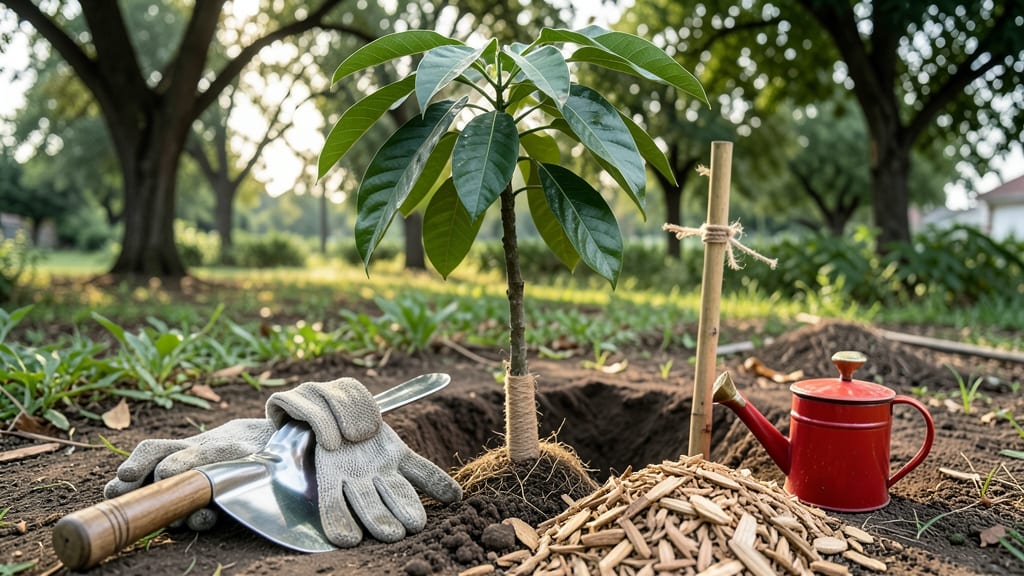
Planting a mango tree 🥭 in the ground at the right time sets the stage for a fruit-bearing giant—or a sad, stunted failure.
You’ve picked the perfect variety, prepped the soil, and even dreamed of that first ripe harvest. But if you plant too early in cooler zones, frost will turn your sapling into a popsicle. Too late, and the roots won’t establish before summer’s brutal heat arrives.
Here’s the secret: timing isn’t just about months—it’s about soil temperature, climate zone, and even microclimates. In USDA zones 10–11, you can plant year-round, but in transitional zones like Florida’s panhandle or coastal California, the window narrows to just a few weeks.
Below, I break down the exact planting schedule by region, how to test soil readiness, and the 3 biggest mistakes that kill mango trees before they even take root. Let’s get your tree off to the strongest start possible.
Best planting months by USDA climate zones for mango trees
Mango trees (Mangifera indica) are tropical divas that demand the perfect planting window to thrive. In USDA zones 9–11, where frost is rare, you can plant year-round—but timing still matters for root establishment and fruit production.
For zones 8 and below, microclimates and soil warmth become critical to avoid frost damage. The golden rule? Wait until soil temperatures stay above 70°F (21°C) for at least 6 weeks straight.
In Florida, Hawaii, and Southern California, mango trees can be planted any month, but late spring (April–June) gives roots time to settle before summer rains. Meanwhile, gardeners in zone 8 (like coastal Georgia or South Texas) should aim for May–July to dodge late frosts.
Container-grown trees offer flexibility, letting you move them to frost-free spots when needed.
Here’s the breakdown you need to plant your mango tree at the optimal time for your zone, including soil prep tips and frost-free period calculations:
For zones 9–11, I recommend planting in late spring to align with natural rainfall patterns. In Florida’s humid climate, June plantings benefit from the summer monsoon, while Southern California’s dry summers favor May to avoid drought stress.
Always test soil temperature with a soil thermometer—roots won’t establish below 70°F.
In zone 8, where frosts linger into April, delay planting until after Memorial Day. Check your local NOAA frost-free date—planting too early risks stunted growth or death.
For example, Savannah, GA (zone 8a), has a last frost around March 15, but mangoes need 60+ days frost-free to root properly. Aim for June 1 or later.
Container growing extends your options in cooler zones. A 15-gallon pot lets you move your mango tree indoors when temperatures drop below 50°F (10°C). Place it near a south-facing window or under grow lights during winter.
Dwarf varieties like 'Julie' or 'Cogshall' are ideal for containers, reaching only 10–15 feet tall at maturity.
Pro tip: Amend your planting hole with compost and perlite to improve drainage—a mango tree’s worst enemy is waterlogged roots. In heavy clay soils (common in Texas or Louisiana), mix in sand or coconut coir to prevent root rot.
Mulch with wood chips to retain moisture and regulate soil temperature.
Remember, patience is key. Mango trees planted in optimal conditions may take 3–5 years to bear fruit, but proper timing now ensures a lifespan of 50+ years and bountiful harvests.
If you’re in a transitional zone, start with a potted tree to test your microclimate before committing to in-ground planting.
Signs your soil and climate are ready for mango tree planting
Before you dig that hole for your mango tree sapling, your soil temperature and local climate need to pass a few critical tests. Mangoes are tropical divas—they demand warm soil (at least 70°F) and consistent humidity to thrive.
If you plant too early in cooler zones, your tree’s roots will struggle to establish, leaving it vulnerable to disease or even death.
I’ve learned the hard way that checking NOAA frost forecasts and local rainfall patterns isn’t just smart—it’s essential.
For example, in Florida’s panhandle, the ideal window might be mid-March to early April, while coastal California gardeners should wait until late April or May when nighttime temps stay above 55°F. These differences matter more than you’d think!
✅ Your Soil & Climate Are Ready When...
- 🌡️ Soil temp: Consistently 70°F+ at 6-inch depth (use a soil thermometer)
- ☀️ Sunlight: 6+ hours of direct sun daily (no shade competition)
- 🌧️ Rainfall: No heavy rains forecasted for 1–2 weeks post-planting
- 📅 Frost risk: 0% chance of frost in USDA Zones 9–11 (check NOAA)
- 🌬️ Humidity: 40%+ (mangoes hate dry air—use mulch if needed)
💡 Pro Tip: Plant on a cloudy day to reduce transplant shock from direct sun.
Start by testing your soil temperature with a simple soil thermometer—this is your #1 indicator. If the ground feels cool to the touch, wait. Mango roots need warmth to activate, and cold soil can stunt growth for weeks or months.
Pair this with a humidity check: Mangoes thrive in 40–80% humidity. If your area is bone-dry (like desert climates), plan to water deeply and mulch heavily.
Don’t overlook rainfall patterns either. Heavy rains after planting can drown roots or wash away soil nutrients. I once planted a mango in Hawaii during a monsoon forecast, and the poor sapling nearly suffocated. Always check the 7-day forecast—aim for a dry-ish week post-planting.
Use the NOAA Climate Data tool to track historical rainfall for your area; it’s a game-changer for transitional zones like South Texas or Southern Arizona.
For container gardeners or those in Zone 8 or colder, your best bet is to plant in large pots and move them indoors during winter. But even then, your soil mix must stay warm—consider a heating mat for containers in spring/fall.
And if you’re in a microclimate (like a sunny urban courtyard), temps can be 10°F warmer than official forecasts. Use a weather station to monitor your exact conditions.
Finally, trust your gut (and your mango’s instincts). If the new leaves on your sapling look yellow or wilted after planting, it’s a sign the climate isn’t quite right.
Give it a week of extra shade and water, but if problems persist, it’s time to replant later. Patience here saves you years of frustration.