
Pruning
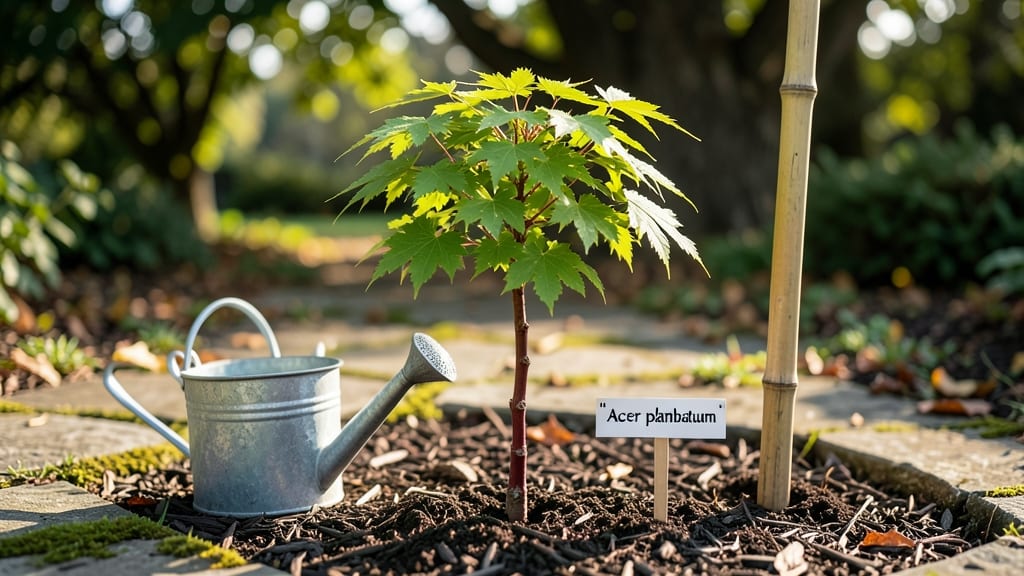
Caring for a maple tree sapling means setting it up for a lifetime of vibrant foliage and sturdy branches. 🌳 The first year is critical—get the soil, water, and sunlight right, and you'll watch it grow from a fragile seedling into a strong young tree.
I've learned that most people overwater or prune too early, both of which stunt growth. The secret is patience combined with the right techniques.
Start with well-draining soil mixed with compost to give your sapling a nutrient-rich foundation. Water deeply once a week unless it rains, keeping the soil moist but never soggy. Young maples need full sun—at least six hours daily—but they'll appreciate afternoon shade in hot climates.
Pruning should wait until late winter when the tree is dormant; just remove any dead or crossing branches with clean cuts.
You'll see new leaves unfurl in spring, and by summer, your sapling will be tall enough to cast its own shade. The roots will spread wider than the canopy, so avoid disturbing the soil around it.
Mulch lightly to retain moisture and protect against weeds, but keep it a few inches away from the trunk to prevent rot.
Common threats like deer, rabbits, or fungal diseases can appear, but early action keeps them at bay. Wrap the trunk with tree guard if pests are a problem, and avoid overhead watering to prevent mildew.
With consistent care, your maple will grow into a majestic tree that outlives generations—starting with strong roots and healthy branches.
📚 In This Guide
- What you need
- Instructions
- Tips and common mistakes
- Wrapping up and next steps
What you need
- ● Sapling: A healthy 1-3 year-old maple sapling (Red, Sugar, or Silver Maple varieties work well). Choose one with a sturdy trunk (at least ½-inch in diameter) and no visible damage.
- ● Shovel: A spade or digging shovel (18–24 inches wide) for planting.
- ● Garden Gloves: Heavy-duty, waterproof gloves to protect your hands.
- ● Pruning Shears: Bypass pruners (sharp, 6–8 inch blades) for trimming.
- ● Mulch: 2–4 inches of organic mulch (shredded bark, wood chips, or straw) to retain moisture and suppress weeds.
- ● Watering Can or Hose: A soaker hose or 5-gallon watering can with a long spout for deep watering.
- ○ Tree Stake (Optional): A 5–6 foot wooden or metal stake (if your sapling needs temporary support in windy areas).
- ○ Tree Tie (Optional): Soft fabric or rubber ties (3–4 inches wide) to secure the sapling to the stake without damaging the trunk.
- ● Well-Draining Soil: A mix of topsoil, compost, and sand (60:30:10 ratio) for optimal root growth.
- ○ Slow-Release Fertilizer (Optional): A balanced 10-10-10 or 20-20-20 formula (apply sparingly in early spring).
- ○ pH Test Kit (Optional): To check soil acidity (maples prefer slightly acidic to neutral, pH 6.0–7.5).
- ● Winter Protection (Cold Climates): Burlap wrap or tree guard to shield the trunk from frost and rodents.
- ● Pest Control (As Needed): Neem oil spray or insecticidal soap for aphids or borers.
Step-by-step instructions for maple tree sapling growth
Here’s how I’ve nurtured healthy maple saplings for years—simple, science-backed steps to build strong roots and sturdy growth.
🌱 Step 1: Plant in the Right Spot at the Perfect Time
Maple saplings thrive in full sun to partial shade (at least 6 hours of sunlight daily). I dig a hole twice as wide as the root ball but only as deep—planting too deep suffocates roots. Loosen the sides of the hole so roots can spread naturally.
Spring or early fall are ideal. Avoid summer heat or winter frost—both stress young roots. Mix the excavated soil with compost (if available) to improve drainage. Water the hole thoroughly before placing the sapling so roots slide into moist soil easily.
💧 Step 2: Water Deeply and Consistently
New saplings need 1-2 gallons of water weekly, more in hot/dry spells. Water deeply (until soil is moist 12 inches down) rather than surface sprinkling. I use a soaker hose to avoid disturbing the soil—maples hate root exposure.
Check moisture by sticking your finger 2 inches into soil. If dry, water again. Yellowing leaves? You’re either overwatering (roots suffocating) or underwatering (stress). Mulch with 2-3 inches of organic mulch (like wood chips) to retain moisture and protect roots from temperature swings.
☀️ Step 3: Protect from Wind and Pests
Young maples are top-heavy and prone to snapping in wind. I stake saplings only if needed—use two stakes on opposite sides, tied loosely with soft fabric (never wire). Prune any broken branches immediately with sterilized pruners, cutting just above a leaf node.
Watch for aphids or spider mites (common on new growth). Spray with neem oil if you spot sticky residue on leaves. Avoid chemical sprays—they harm beneficial insects and soil microbes maples rely on.
✂️ Step 4: Prune for Structure and Health
Prune in late winter or early spring before new growth starts. Remove dead, crossing, or weak branches first—cut at the branch collar (the swollen area where the branch meets the trunk). Never leave stubs; they invite disease.
Thin out crowded branches to improve airflow. Aim for an open, vase-like shape—this prevents heavy canopies that snap under snow or wind. For saplings under 5 feet tall, limit pruning to no more than 25% of the foliage to avoid stress.
⏰ Step 5: Winterize for Long-Term Strength
In fall, reduce watering as temperatures drop—overwatering in cold soil drowns roots. Wrap the trunk with tree guard (not plastic wrap) to protect from rodents and frost cracks. I also add 4-6 inches of mulch around the base to insulate roots.
Young maples handle cold well, but avoid planting near sidewalks or driveways—roots will heave pavement in freeze-thaw cycles. If your area gets below 0°F, consider a light burlap wrap for extra protection during extreme cold snaps.
Tips & tricks for perfect maple tree sapling care
Here's what nobody tells you about growing maple saplings that'll make all the difference in the long run.
Soil Preparation Secret: Before planting, I always mix the excavated soil with compost—even if it's just a handful—to improve drainage and provide early nutrients. The key is to loosen the sides of the hole thoroughly so roots can spread naturally without resistance. I've seen saplings planted in compacted soil struggle for years, while those in loosened soil grow twice as fast.
Watering Wisdom: Those 1-2 gallons weekly can feel like guesswork, so I check soil moisture by sticking my finger 2 inches deep. If it's dry, water deeply until moisture reaches 12 inches down. Overwatering is just as harmful as underwatering—look for yellowing leaves as a warning sign. And never use a regular hose; a soaker hose keeps the soil undisturbed, which maples absolutely love.
Pruning Precision: When pruning saplings under 5 feet tall, I never cut more than 25% of the foliage—this prevents stress. Always cut at the branch collar, not leaving stubs, and aim for an open, vase-like shape. I've learned the hard way that heavy canopies snap under snow or wind, so I focus on airflow and structure from day one.
Winter Protection: For areas below 0°F, I double up on protection: tree guard to block rodents and a light burlap wrap for extreme cold snaps. The extra insulation makes all the difference when temperatures plummet. Avoid planting near sidewalks or driveways—roots will heave pavement during freeze-thaw cycles, and that's a headache you don't want to deal with later.
Pro Tips for Maple Tree Sapling Care
- Here's what nobody tells you about growing maple saplings that'll make all the difference in the long run.
- Soil Preparation Secret: Before planting, I always mix the excavated soil with compost—even if it's just a handful—to improve drainage and provide early nutrients.
- Watering Wisdom: Those 1-2 gallons weekly can feel like guesswork, so I check soil moisture by sticking my finger 2 inches deep.
Frequently asked questions
Got questions about nurturing your maple tree sapling? You’re not alone—growing these delicate young trees takes patience and know-how! Below, we’ve answered the most common queries to help you avoid pitfalls and keep your sapling thriving.
How often should I water my maple tree sapling?
Water your sapling deeply but infrequently—about once a week (or more in extreme heat) during the first year. Overwatering can suffocate roots, while underwatering stresses young trees. Aim for 1–2 inches of water per week, and always check soil moisture before watering. Mulch helps retain moisture!
When is the best time to plant a maple sapling?
The ideal window is early spring or fall, when temperatures are mild and rain is plentiful. Avoid planting in summer heat or winter frost, as extreme temps can shock the roots. If you must plant in summer, do it early and provide extra shade/water.
Why are my maple sapling’s leaves turning yellow?
Yellow leaves usually signal overwatering, nutrient deficiency, or root stress. Check the soil—it should be moist but not soggy. If the ground feels waterlogged, reduce watering and improve drainage. For nutrient issues, use a balanced fertilizer (like 10-10-10) in early spring.
Can I prune my maple sapling in its first year?
Yes, but minimally! Only remove dead, diseased, or crossing branches to encourage airflow. Avoid heavy pruning—it stresses young trees. Use sterilized pruners and prune just above a bud or branch collar. Wait until late winter/early spring for best results.
What’s the best mulch for a young maple tree?
Use 2–4 inches of organic mulch (like wood chips or shredded bark) to retain moisture and regulate soil temp. Keep mulch 3–4 inches away from the trunk to prevent rot. Avoid fresh sawdust or grass clippings, as they can compact or deplete nitrogen.
Wrapping up and next steps
Caring for your maple tree sapling is a rewarding journey that sets the foundation for a thriving, majestic tree! 🌳 With the right mix of watering, soil prep, pruning, and seasonal attention, you’ll nurture a resilient sapling that grows strong for decades.
Remember, consistency is key—whether you’re protecting it from pests or adjusting care as it matures.
Ready to watch your little tree flourish? Start by marking your calendar for next year’s pruning season and celebrate each milestone—like those first vibrant leaves or deeper roots! 🌱 Your patience today will reward you with a stunning maple tree tomorrow.