
Plants
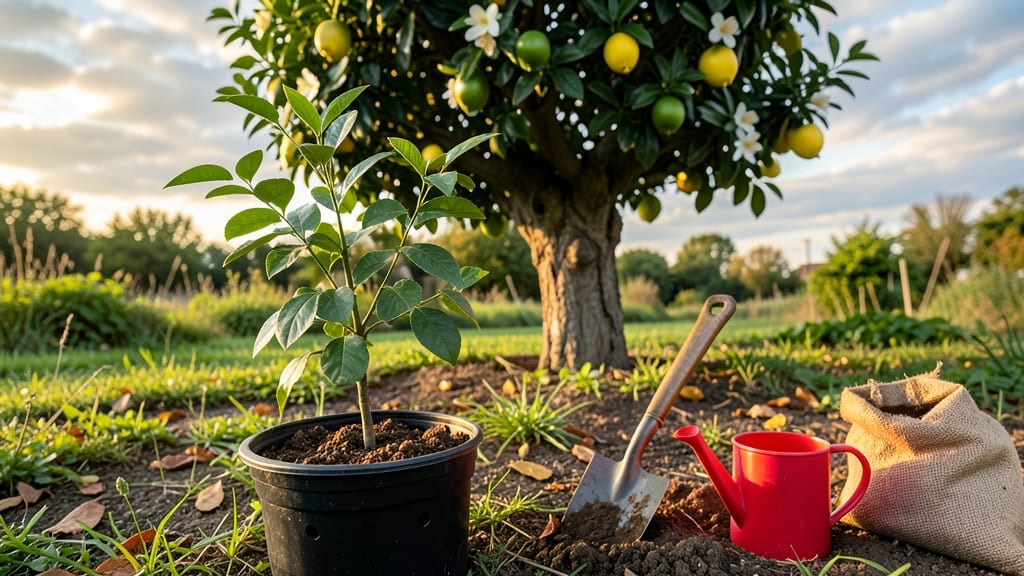
Planting a lemon tree in Louisiana at the right time is the key to avoiding stunted growth or frost damage — aim for February-March after the last frost or September-October for fall planting.
Louisiana’s humid climate is perfect for growing 🍋 trees, but timing matters. Plant too early, and a late frost could wipe out your young tree. Too late, and summer heat stresses the roots before they establish.
I’ve seen both mistakes firsthand, and the difference in survival rates is night and day.
Most gardeners in USDA Zones 8a-9b swear by spring planting, but fall can work too if you protect the tree from winter chill. The trick is choosing the right variety—dwarf types like ‘Meyer’ handle Louisiana’s heat better than standard lemons—and giving it well-draining soil to prevent root rot.
In this guide, I’ll walk you through the exact heat-zone planting schedule, soil prep tips, and how to care for your tree through Louisiana’s long, hot summers. Whether you’re planting in-ground or a container, these steps will set your lemon tree up for years of fruit.
Louisiana’s best planting months for lemon trees by heat Zone
Louisiana’s USDA Zones 8a-10 create perfect conditions for growing lemon trees, but the timing of planting makes all the difference. With humid subtropical weather and varying frost risks, knowing your heat zone helps you avoid stunted growth or even tree death.
Whether you’re planting in-ground or in containers, these optimal windows align with Louisiana’s temperature thresholds and seasonal patterns.
In Zone 8a (north Louisiana), where last frost dates average February 15, early spring and fall are your best bets. Zone 9a-10 (southern Louisiana) enjoys longer growing seasons, but extreme summer heat and humidity still demand strategic planting.
Container growing offers flexibility, but in-ground planting requires extra care to handle heavy rainfall and soil drainage challenges.
For Zone 8a gardeners, planting in late February to early March ensures your lemon tree establishes roots before summer heat arrives.
The ideal soil temperature should be at least 60°F—use a soil thermometer to confirm. Fall planting (September to early October) gives roots time to settle before winter chill, though northern Louisiana may experience light frosts.
In Zones 9a-10, where frost is rare, you have more flexibility. December to January planting works well, as cooler temperatures reduce transplant shock. However, avoid summer planting—90°F+ soil temps can burn young roots.
If you must plant in summer, use shade cloth for the first 4-6 weeks to protect the root ball.
Container planting is highly recommended in humid Louisiana because it gives you control over drainage and soil quality. Use a well-draining potting mix with perlite or sand to prevent root rot.
For in-ground planting, amend clay-heavy soil with compost and sand to improve water drainage. Always plant in a slightly raised mound to prevent water pooling.
After planting, mulch heavily (3-4 inches) with pine straw or wood chips to retain moisture and regulate soil temperature. In Zone 8a, add a frost cloth or burlap wrap around the trunk during winter months
How to choose between spring vs. fall planting in Louisiana
Deciding between spring and fall planting for your lemon tree in Louisiana depends on your region’s microclimate. New Orleans’ coastal warmth favors fall planting, while Shreveport’s cooler winters lean toward spring. Both seasons offer unique advantages—let’s break down the trade-offs to help you choose.
In spring, you’ll avoid winter chill, but young trees face summer heat stress if planted too late. Fall planting gives roots time to establish before winter, but early frost risks can damage tender new growth.
Louisiana’s USDA Zones 8a-9b mean your decision hinges on soil warmth and rainfall patterns.
Spring Planting (Feb-Mar)
Pros
- ✅ Longer growing season for root establishment
- ✅ Warmer soil promotes faster germination
- ✅ Less frost risk after mid-February
Cons
- ❌ Summer heat stress if planted late
- ❌ Higher water needs during peak humidity
- ❌ Pest pressure increases in spring
Fall Planting (Sep-Oct)
Pros
- ✅ Cooler temps reduce transplant shock
- ✅ Established roots before winter dormancy
- ✅ Lower pest activity in late fall
Cons
- ❌ Early frost risk in North Louisiana
- ❌ Slower growth in cooler months
- ❌ Limited time for root establishment
For New Orleans, fall planting (late September) is ideal—cooler temps and well-draining soil prevent root rot. In Shreveport, spring planting (mid-March) avoids winter chill and gives trees time to harden off before summer. Always amend soil with compost and mulch heavily to retain moisture.
Protect young trees from summer heat with shade cloth or drip irrigation. In winter, wrap the trunk with burlap to prevent cold damage. Container planting offers flexibility—move pots indoors during freeze warnings or to sunny patios for consistent light.
Regardless of season, test soil pH (ideal: 6.0-7.0) and avoid waterlogged areas. Louisiana’s humidity demands well-draining soil—mix in sand or perlite if your native soil is clay-heavy. With the right timing and care, your lemon tree will thrive year-round.