
Container Gardens
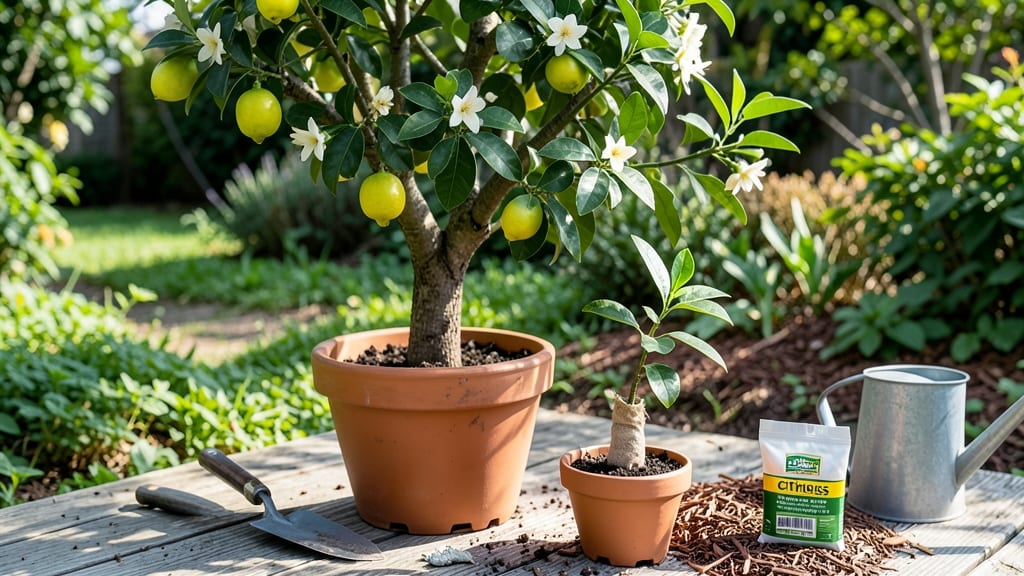
Planting a Meyer lemon tree in a pot turns your patio into a sun-drenched citrus grove. 🌿 The secret isn’t just the right container—it’s matching soil, drainage, and light to what these trees crave.
I’ve grown mine for three years now, and the key was starting with a 15-gallon pot (or larger) to prevent root-bound stress.
Most beginners overlook drainage—your tree’s roots will rot if water pools at the bottom. Use a pot with holes, add a layer of gravel, and mix well-draining citrus soil with perlite.
Place it where it gets 6+ hours of sunlight daily, and you’ll see new leaves forming within 8-12 weeks.
Watering is where people trip up: keep the soil consistently moist but never soggy. In summer, I water every 2-3 days; in winter, once a week.
A humidifier nearby helps, too—Meyer lemons hate dry air. By spring, you’ll spot those first tiny blossoms, and the scent alone makes it worth it.
This method works for balconies, kitchens, or sunrooms—just adjust pot size as the tree grows. The first year is about roots; the second brings fruit. Patience pays off with bright, fragrant lemons you can pick year-round.
📚 In This Guide
- What you need
- Instructions
- Tips and common mistakes
- Wrapping up and next steps
What you need
- ● Meyer lemon tree: A healthy 1–3 gallon potted sapling (bare-root or nursery-grown) with no signs of disease.
- ● Container: A durable, unglazed pot (15–25 gallons) with drainage holes. Terracotta or fabric grow bags are ideal.
- ● Potting mix: A well-draining citrus blend (50% cactus/succulent mix + 50% perlite/pumice). Avoid garden soil—it’s too dense!
- ● Drainage layer: 3–5 inches of gravel, pebbles, or broken pottery at the pot’s base.
- ● Slow-release fertilizer: A citrus-specific granular fertilizer (e.g., 6-6-6 NPK ratio) or organic options like fish emulsion.
- ● Watering can or hose: With a gentle spray nozzle to avoid disturbing roots.
- ○ Pruning shears: Sharp, sterilized shears for trimming (optional but helpful for shaping).
- ● Mulch: Pine bark or straw (1–2 inches) to retain moisture and regulate temperature.
- ● Epsom salt: A spoonful every 2 months for magnesium boosts (great for yellowing leaves!).
- ● Citrus food: Liquid fertilizer (e.g., Miracle-Gro Citrus Food) for extra nutrients.
- ● Support stake: If your tree grows tall, a bamboo stake or trellis keeps it steady.
- ● Humidity tray: A pebble tray with water to combat dry air (especially in winter).
Step-by-step instructions for planting a Meyer lemon tree in a pot
Here’s how to grow a thriving Meyer lemon tree in containers—perfect for patios or sunny windowsills.
🪴 Step 1: Select the Right Pot and Drainage
Start with a 12-15 inch diameter pot—at least 18 inches deep—to accommodate the tree’s root system. Meyer lemons need room to grow, and shallow pots restrict roots, stunting fruit production. Choose a container with multiple drainage holes (or drill extra if needed) to prevent soggy soil, which causes root rot.
I like terra cotta because it breathes, but plastic works too if you monitor moisture closely. Place a 2-inch layer of gravel or broken pottery at the bottom before adding soil—this ensures excess water drains away from roots while keeping the tree stable. Skip this step, and your lemon tree will sit in a swampy mess.
🌱 Step 2: Use Well-Draining Soil and Fertilizer
Fill the pot with a mix of equal parts potting soil, perlite, and coarse sand—this lightweight blend prevents compaction and mimics the Mediterranean climate Meyer lemons love. Avoid garden soil; it’s too dense and retains too much moisture. Add a slow-release citrus fertilizer (like 10-10-10) mixed into the bottom 2 inches of soil to give roots a nutrient boost right away.
Tap the pot gently to settle the soil, then water until moisture runs freely from the drainage holes. You’ll know it’s right when the top ½ inch feels damp but not wet. Overwatering now will suffocate roots before they even establish.
☀️ Step 3: Plant the Tree at the Correct Depth
Remove the lemon tree from its nursery pot and loosen the roots if they’re circling. Plant it so the root flare (where roots meet the trunk) sits just above the soil line—burying it too deep suffocates the tree, while planting too high stresses the roots. Fill around the base with soil, pressing lightly to remove air pockets.
After planting, water deeply to help soil settle. Place the pot in a spot with 6-8 hours of direct sunlight daily—south-facing windows or balconies work best. If indoors, supplement with a grow light to prevent leggy growth. You’ll see new leaves within 2-3 weeks if conditions are right.
💧 Step 4: Water and Feed for Optimal Growth
Water when the top 1-2 inches of soil feel dry—usually 2-3 times per week in summer, less in winter. Stick your finger in the soil; if it’s damp below ½ inch, wait a day. Overwatering is the #1 killer of potted citrus, so err on the dry side. Use room-temperature water to avoid shocking roots.
Feed every 4-6 weeks with a citrus-specific fertilizer (high in nitrogen early, then balanced as the tree matures). I switch to a low-nitrogen, high-potassium blend in fall to encourage flowering. Watch for yellow leaves—they’re a sign of either overwatering or nutrient deficiency.
✂️ Step 5: Prune and Support for Fruit Production
Prune in late winter to shape the tree and remove dead or crossing branches. Cut just above a leaf node at a 45-degree angle to encourage new growth. Avoid heavy pruning—Meyer lemons fruit on new wood, so aggressive cuts reduce harvests. Thin out crowded branches to improve airflow, which prevents fungal diseases.
If your tree grows tall, stake it with 3-4 bamboo stakes tied loosely to the trunk with soft twine. This prevents toppling in windy conditions. You’ll see flowers in 1-2 years (sometimes sooner!), and with patience, you’ll have sweet, fragrant lemons by year three.
Tips & tricks for perfect Meyer lemon tree planting
Here's what I learned after nurturing my own Meyer lemon tree to fruiting success—these tricks will help you avoid the pitfalls I faced.
Pot Size and Material: While the instructions specify a 12-15 inch pot, I recommend going slightly larger (16-18 inches) if possible. Meyer lemons have surprisingly aggressive root systems, and giving them extra room now prevents transplant shock later. Terra cotta pots help regulate moisture better than plastic, but if you choose plastic, add an extra drainage hole or two—they're notorious for trapping excess water. I've seen trees drown in perfectly adequate pots because of this oversight.
Soil Mix Secrets: The equal parts potting soil, perlite, and coarse sand ratio is perfect, but here's my upgrade: add 10% worm castings to the mix for extra microbial activity. This improves nutrient uptake and helps prevent the soil from compacting over time. I also like to add a handful of crushed eggshells for calcium—Meyer lemons are prone to deficiency symptoms if the soil lacks this mineral. These additions won't change the basic recipe but make a noticeable difference in tree health.
Lighting Strategy: For the crucial 6-8 hours of sunlight, position your tree where it gets morning sun and afternoon shade if you're in a hot climate. Direct afternoon sun can scorch leaves, especially in summer. If you're using grow lights indoors, opt for full-spectrum LED bulbs and place them 12-18 inches above the tree. I've found that supplementing with 14 hours of light total (including natural sunlight) in winter helps maintain growth momentum during shorter days.
Watering Wisdom: The finger test in Step 4 is crucial, but here's a pro move: use a moisture meter for the first few months to train your hand. Different soil mixes hold moisture differently, and a meter gives you an objective baseline. Also, always water in the morning—this gives excess moisture time to evaporate before nightfall, reducing fungal risks. I've noticed my tree develops fewer leaf spots when I follow this routine consistently.
Pro Tips for Plant A Meyer Lemon Tree In A Pot
- Here's what I learned after nurturing my own Meyer lemon tree to fruiting success—these tricks will help you avoid the pitfalls I faced.
- Pot Size and Material: While the instructions specify a 12-15 inch pot, I recommend going slightly larger (16-18 inches) if possible.
- Soil Mix Secrets: The equal parts potting soil, perlite, and coarse sand ratio is perfect, but here's my upgrade: add 10% worm castings to the mix for extra microbial activity.
Frequently asked questions
Got questions? You’re not alone—growing a Meyer lemon tree in a pot is rewarding, but it comes with a few quirks! Here are answers to the most common queries to keep your citrus thriving.
When is the best time to plant a Meyer lemon tree in a pot?
Plant your tree in early spring (after the last frost) or late summer/early fall. This gives roots time to establish before extreme temperatures. Avoid winter planting—cold stress can stunt growth. If you’re starting from seed, it can take 3–5 years to bear fruit, so patience is key!
How big should the pot be for a Meyer lemon tree?
Aim for at least 15–20 gallons (18–24 inches in diameter) for mature trees. Smaller pots (5–10 gallons) work for young trees, but they’ll need frequent repotting (every 1–2 years). Use pots with drainage holes to prevent root rot—no soggy feet allowed!
Can I grow a Meyer lemon tree indoors, or does it need outdoor sunlight?
Meyer lemons crave sunlight—place them in a south- or west-facing window for 6–8 hours of light daily. If indoors, supplement with a grow light (12–14 hours/day). Outdoors? A bright, sheltered spot (like a patio or balcony) is ideal. No direct winter sun—it can scorch leaves!
Why aren’t my Meyer lemon tree leaves turning yellow?
Yellow leaves often signal overwatering or nutrient deficiencies. Check the soil—it should be slightly moist but not soggy. Feed with a citrus-specific fertilizer (high in nitrogen, potassium, and micronutrients) every 2–3 months. Yellowing edges? Could be underwatering or fluoride buildup from tap water—try filtered or rainwater.
Do Meyer lemon trees need pruning, and how do I do it?
Yes! Prune in late winter or early spring to shape the tree and encourage airflow. Use sterilized shears to trim:
- Dead/diseased branches (cut to the base).
- Overcrowded growth (remove 1/3 of the oldest branches).
- Suckers (shoots at the base)—remove them to focus energy on fruit.
What’s the secret to getting my Meyer lemon tree to bear fruit?
Patience and consistent care! Ensure your tree gets:
- Full sun (6+ hours daily).
- Well-draining soil (mix potting soil with perlite/sand).
- Regular feeding (citrus fertilizer in spring/summer).
- Proper watering (deep water when the top 1–2 inches of soil dry out).
Wrapping up and next steps
Growing a Meyer lemon tree in a pot is a rewarding journey that brings a taste of sunshine to even the smallest spaces! With the right container, soil, and care, you’ll soon enjoy fragrant blooms and sweet, juicy lemons—right from your balcony or patio. 🌱✨
Now that you’re ready to plant, take the next step: monitor your tree’s progress and adjust care as it grows. Watch for new leaves, buds, and—with patience—your first lemons! Happy gardening! 🍋💚