
Lawn
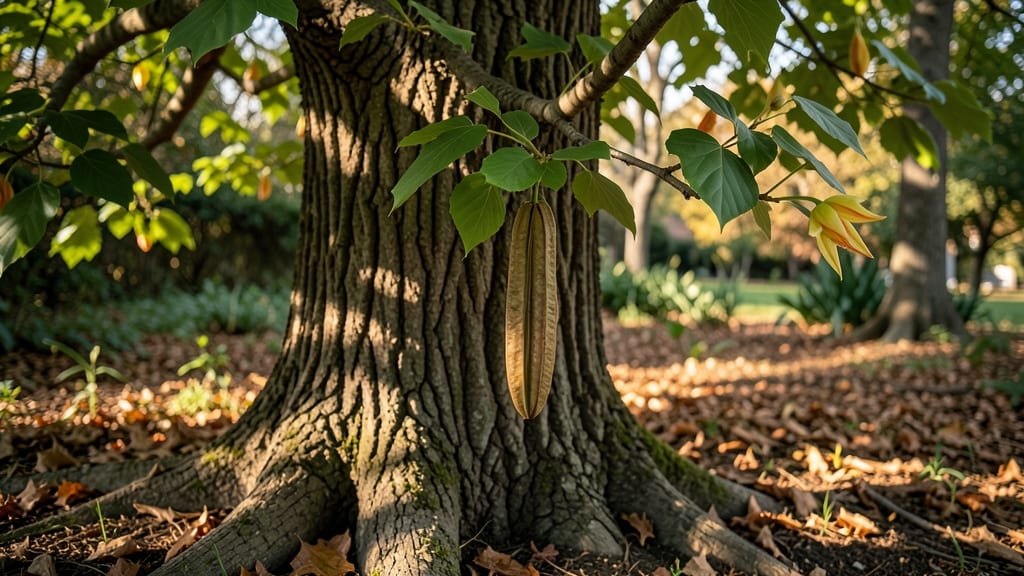
The tulip tree seed pod holds the key to growing one of America's fastest-growing native trees—if you know how to break its stubborn dormancy. 🌱 I've cracked the code after years of trial and error: these pods need a two-step process to germinate reliably, and timing is everything.
Harvest them in late fall when the pods turn brown and split open naturally. The seeds inside are tiny but mighty—each one capable of growing into a 70-foot giant. The trick? Cold stratification mimics winter's natural dormancy period, then a warm, moist start triggers those first green shoots.
By spring, you'll see seedlings emerge within 4-6 weeks with proper care. The trees grow 3-5 feet per year, outpacing many ornamentals, and their golden blooms in late spring are a showstopper. Just be patient—these seeds don't rush, but they deliver.
Works best in USDA Zones 4-9, though they adapt well to urban planting too. Here's how to turn those pods into towering shade trees without the nursery price tag.
📚 In This Guide
- What you need
- Instructions
- Tips and common mistakes
- Wrapping up and next steps
What you need
- ● Mature tulip tree seed pods (2–4 pods, collected in late summer/fall when brown and dry)
- ● Potting soil mix (well-draining, sterile blend—avoid garden soil)
- ● Small seed-starting pots or containers (3–4 inches deep, with drainage holes)
- ● Plastic wrap or clear lid (to create a humidity dome)
- ● Spray bottle (for gentle watering)
- ● Grow lights or sunny windowsill (6+ hours of indirect light daily)
- ● Patience! 😉 (Germination can take 2–6 months—tulip trees are slow starters!)
- ● Pruning shears (to harvest pods without damaging the tree)
- ● Seed-starting trays (for organized germination)
- ○ Heating mat (optional, speeds up germination by 10–20°F above room temp)
- ● Fertilizer (balanced, low-nitrogen formula for seedlings)
- ● Label markers (to track planting dates)
- ● Outdoor space (for transplanting after 1–2 years)
How to germinate tulip tree seed pods for strong starts
Here’s my foolproof method for breaking dormancy and getting those stubborn seed pods to sprout reliably.
🌱 Step 1: Harvest and Stratify the Seed Pods
Collect mature tulip tree seed pods in late fall or early winter when they’ve turned brown and split open naturally. Remove the seeds from their papery husks and place them in a sealed plastic bag with a damp paper towel. Store the bag in the refrigerator for 60-90 days—this cold treatment mimics winter and tricks the seeds into germinating.
Check the bag weekly to ensure the paper towel stays moist but not soggy. If you notice mold, discard the seeds immediately. This stratification step is critical—skipping it often results in seeds that refuse to sprout, even after months of waiting.
⏰ Step 2: Soak and Plant at the Right Time
After stratification, remove the seeds and soak them in warm water for 24 hours. This softens the tough outer shell and jumpstarts germination. Plant them ½ inch deep in a well-draining seed-starting mix in small pots or a seed tray. Tulip tree seeds germinate best in spring, so aim to plant them in early March for outdoor transplanting by late May.
Keep the soil consistently moist but never waterlogged. A spray bottle works best to avoid disturbing the seeds. Place the tray in a warm spot (70-75°F) until germination occurs, which typically takes 2-4 weeks. Patience is key—don’t be tempted to move them to colder temperatures too soon.
☀️ Step 3: Provide Light and Gradual Hardening
Once seedlings emerge, move them to a bright, indirect light source immediately. Tulip tree seedlings grow fast but need 12-14 hours of light daily to avoid becoming leggy. A south-facing window or a grow light works well. You’ll notice strong, sturdy stems with deep green leaves—this is your sign they’re thriving.
After 4-6 weeks, when seedlings reach 4-6 inches tall, begin hardening them off. Place them outside in a sheltered spot for 1-2 hours the first day, gradually increasing exposure over 10-14 days. This prepares them for transplanting without shock. Choose a cloudy day for the final move to reduce stress.
🪴 Step 4: Transplant to Permanent Location
Transplant seedlings outdoors after the last frost when soil temperatures reach 60°F. Space them 15-20 feet apart in well-draining soil with full sun to partial shade. Tulip trees grow large, so give them room to establish without competition. Water deeply at the base after planting to encourage root growth.
Mulch around the base with 2-3 inches of organic mulch to retain moisture and regulate soil temperature. Avoid overwatering—tulip trees are drought-tolerant once established. In the first year, focus on keeping the soil consistently moist but not soggy. You’ll see rapid growth if the seedlings are healthy and well-placed.
Tips & tricks for perfect tulip tree seedling growth
A few strategic moves can turn your patience into a thriving tulip tree forest. Here's how to maximize every step of this germination process.
Stratification Precision: The 60-90 day cold treatment in Step 1 is non-negotiable—this mimics winter's natural dormancy break. I store my seeds in a sealed bag with a damp paper towel in the fridge's crisper drawer, where temperatures stay consistently around 34-38°F. This cooler environment within the fridge prevents mold while maintaining ideal moisture. Check weekly by gently squeezing the towel—it should feel like a wrung-out sponge, not a swamp.
Soaking Science: That 24-hour warm water soak in Step 2 isn't just about hydration—it's about breaking the seed's stubborn outer shell. I use room-temperature water (around 70°F) in a shallow dish and change the water halfway through to prevent bacterial growth. You'll know it's working when you see tiny cracks forming in the seed coats. Pro tip: Add a drop of mild dish soap to the water to help soften the shell without harming the seed.
Light Management: The 12-14 hours of bright, indirect light in Step 3 requires careful positioning. I place my seed trays on a south-facing windowsill elevated on a small stool to maximize light exposure without causing overheating. If using grow lights, position them just 6 inches above the seedlings and keep them on a timer. Watch for leggy growth—this is your signal to increase light intensity or duration immediately. The goal is sturdy stems, not stretched-out shadows.
Hardening Strategy: For the gradual hardening in Step 3, I start with just 1-2 hours of outdoor exposure on day one, then increase by 30 minutes each subsequent day. On cloudy days, you can safely double the exposure time since UV intensity is lower. The key is to mimic natural conditions—place seedlings where they'll experience gentle breezes and partial shade, just like they would in their permanent location. This prepares them for transplant shock like a survival training camp.
Pro Tips for Tulip Tree Seed Pod
- A few strategic moves can turn your patience into a thriving tulip tree forest.
- Stratification Precision: The 60-90 day cold treatment in Step 1 is non-negotiable—this mimics winter's natural dormancy break.
- Soaking Science: That 24-hour warm water soak in Step 2 isn't just about hydration—it's about breaking the seed's stubborn outer shell.
Frequently asked questions
Got questions about those iconic tulip tree seed pods? You’re not alone! Here are answers to the most common queries—from timing to troubleshooting—to help you grow strong, healthy trees with ease.
When is the best time to collect tulip tree seed pods?
The ideal time to harvest pods is late fall to winter (October–February) when they’re brown, dry, and split open naturally. Avoid collecting them too early—they won’t be fully mature, and seeds may not germinate well. Pro tip: Look for pods that rattle when shaken (a sign of ripe seeds inside!).
How long does it take for tulip tree seeds to germinate?
Germination can take anywhere from 2–6 weeks under ideal conditions (warmth, moisture, and consistent temps around 70°F). Some seeds may even sprout in 7–10 days if pre-soaked or stratified. Patience is key—slow starters aren’t necessarily bad seeds!
Can I grow a tulip tree from a seed pod without stratification?
Yes, but stratification (cold-moist treatment) dramatically improves success rates. Skip it, and germination may be slow or spotty. For best results, mix seeds with damp sand, refrigerate for 30–60 days, then plant. Alternative: Direct-sow pods in fall—they’ll naturally stratify over winter!
Why aren’t my tulip tree seeds sprouting? Troubleshooting tips.
Too dry?
Keep soil consistently moist (not soggy) during germination.
Not warm enough?
Use a heat mat (70–80°F) to speed up sprouting.
Old or moldy seeds?
Discard seeds with off smells or fuzzy growth.
Depth issue?
Plant seeds ½-inch deep—too deep delays germination.
Still stuck? Try soaking seeds in water for 24 hours before planting.
How big should a tulip tree seedling be before transplanting?
Aim for seedlings with 2–4 true leaves (not just the initial seed leaves) and a height of 4–6 inches. Harden them off for a week before moving to their permanent spot. Spring or early fall are the best transplant times—avoid extreme heat or frost!
Wrapping up and next steps
Growing a tulip tree from seed pods is a rewarding journey that combines patience with the joy of nurturing nature. By following the right steps—from stratifying your seeds to planting them in well-drained soil—you’ll unlock the potential for fast, healthy growth.
Whether you’re a seasoned gardener or just starting, these germination secrets make the process simple and reliable. 🌱
Ready to take the next step? Grab your seed pods, gather your supplies, and start planting—your future tulip tree is waiting! Share your progress with fellow gardening enthusiasts or tag us in your photos for inspiration.