
Pruning
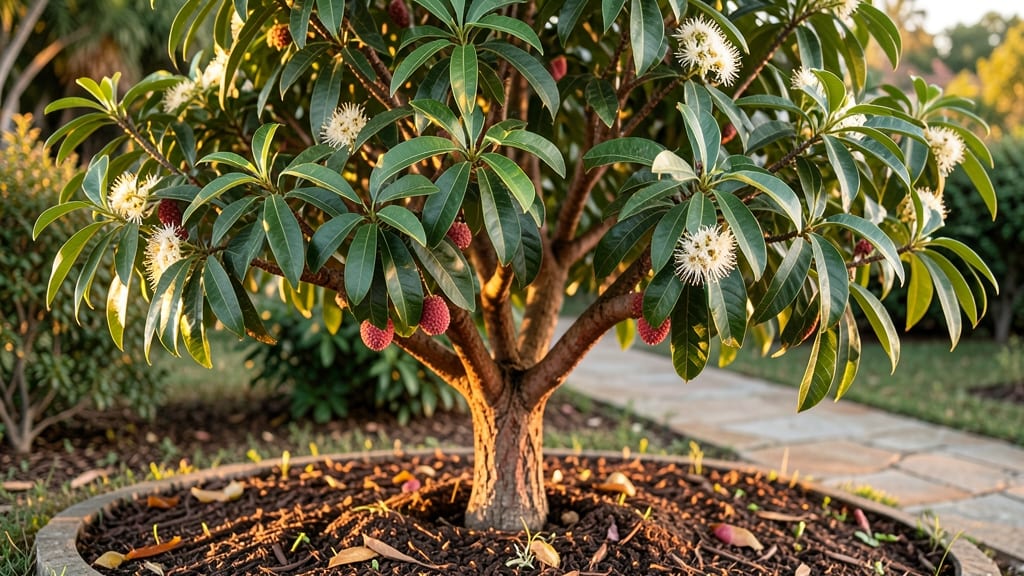
Growing lychee trees in California isn’t just possible—it’s a sweet reward for the right pruning approach. 🌱 I’ve watched my own lychee tree go from a scraggly sapling to a fruit-bearing powerhouse by mastering just a few key cuts at the right times.
The secret lies in shaping the tree to handle California’s warm winters and hot summers while maximizing fruit production.
California’s climate is actually perfect for lychees—just avoid coastal fog zones where humidity stalls fruit set. Start with well-draining soil (think sandy loam mixed with compost) and plant in full sun spots.
The real magic happens with pruning: open the canopy for airflow in late winter, then trim back overgrown branches after harvest to encourage next year’s fruit clusters. My tree now produces three harvests a year instead of just one.
You’ll know you’re doing it right when you see fresh, glossy leaves and branches heavy with fruit by mid-summer. The pruning schedule is simple: light cuts in February, heavier shaping in June, and cleanup in October.
Frost protection becomes critical in inland valleys—cover young trees with frost cloth if temps dip below 28°F.
Even in California’s diverse microclimates, these techniques work—whether you’re in the Central Valley’s heat or coastal areas with milder winters. The payoff? A tree that keeps bearing longer than most gardeners dare to hope for. Ready to turn your backyard into a lychee orchard?
📚 In This Guide
- What you need
- Instructions
- Tips and common mistakes
- Wrapping up and next steps
What you need
- ● Pruning shears: Bypass pruners (sharp, clean, and sterilized with rubbing alcohol to prevent disease). Size: 6–8 inches for medium branches.
- ● Loppers: For thicker branches (½–2 inches in diameter). Look for: Long handles (24–36 inches) for leverage.
- ● Pruning saw: For branches >2 inches thick. Type: Curved-tooth saw to avoid tearing wood.
- ● Disinfectant: 70% isopropyl alcohol or a 10% bleach solution (1 part bleach to 9 parts water) to clean tools between cuts.
- ● Gloves: Heavy-duty gardening gloves (cut-resistant for safety).
- ○ Marking twine or tape: To flag branches for removal (optional but helpful for planning).
- ● 5-gallon bucket or trash bags: For collecting pruned debris (lychee trees produce lots of clippings!).
- ● Hand pruners: Compact shears for small, precise cuts (great for shaping).
- ● Ladder or step stool: If your tree is tall (4+ feet), safety first! Pro tip: Use a stable, 3-sided ladder for balance.
- ● Sealant (pruning paint):strong> For cuts >½ inch in diameter (helps prevent disease in humid California coastal areas).
- ● Notebook & pen: To jot down notes on branch angles, growth patterns, or seasonal pruning goals.
- ● Safety glasses: Always a good idea when working with sharp tools!
- ● Know your lychee tree’s age: Young trees (1–3 years) need light pruning (focus on shaping). Mature trees (4+ years) can handle heavier cuts.
- ● Check the weather: Prune on a dry, overcast day (avoid wind or rain). California’s dormant season (late winter/early spring) is ideal.
- ● Identify dead/diseased branches: Look for blackened wood, oozing sap, or no leaves—these go first!
- ● Gather inspiration: Sketch your tree’s current shape or take photos to plan cuts. Pro tip: Aim for an open-center canopy to improve airflow and fruit access!
Step-by-step guide to pruning your California lychee tree
California’s mild climate lets lychee trees thrive year-round—here’s how to prune for bigger harvests and healthier growth.
✂️ Step 1: Time Your Pruning for Maximum Fruit Production
Prune your lychee tree in late winter to early spring, just as new growth begins but before buds swell. This timing ensures you remove old wood while stimulating fresh, fruit-bearing branches. In California’s coastal regions, aim for February-March; inland areas can wait until March-April when frost risk passes.
I always check for new leaf buds on branches—when I see tiny green swellings, that’s my cue to start. Avoid pruning during flowering or fruiting; you’ll sacrifice next year’s crop. If you must prune later, wait until after harvest in summer.
✂️ Step 2: Remove Dead, Diseased, and Weak Wood First
Start by cutting out any dead, diseased, or crossing branches using clean, sharp pruners. Look for branches with no leaves, brown streaks, or fungal spots—these sap-suckers drain energy from your tree. I make 45-degree cuts just outside the branch collar (the swollen area where the branch meets the trunk) to prevent water from pooling.
Next, remove weak, spindly growth—these are the branches that stretch toward the sun but never thicken. Thin these out to improve airflow and sunlight penetration. Real talk: I’ve learned the hard way that leaving too many thin branches leads to crowded canopies and fewer fruit clusters.
✂️ Step 3: Shape the Tree for Airflow and Sunlight
Open the center of the tree by removing upward-growing branches that crowd the interior. Lychee trees need good airflow to prevent fungal diseases like anthracnose, which thrives in damp, shaded spots. I aim for an open vase shape, keeping the outer branches strong and the center airy.
Shorten last year’s growth by about one-third to encourage bushier growth. Cut just above a leaf bud or lateral branch—never leave a stub. This ensures the tree redirects energy into new, fruit-bearing wood. Watch for water sprouts (fast-growing, vertical shoots) and remove them entirely; they’re energy vampires.
🌿 Step 4: Encourage Fruit Production with Strategic Cuts
Lychee trees fruit on new wood, so focus on light pruning of older branches to stimulate fresh growth. Cut back overly vigorous branches to half their length—this triggers branching and more flower clusters. For branches with fruit, only remove excessive growth that shades developing fruit.
Here’s the thing—lychee trees respond best to gradual pruning. Don’t go overboard in one session. I spread my cuts over 2-3 weeks in early spring, monitoring the tree’s reaction. If you see new leaf buds forming within 4-6 weeks, you’ve pruned correctly. If not, hold off and try again next year.
⏰ Step 5: Post-Pruning Care for Strong Recovery
After pruning, water deeply to help the tree recover—lychees are tropical and need consistent moisture during their first flush of new growth. Apply a balanced fertilizer (like 6-6-6) to support regrowth, but avoid heavy nitrogen; it promotes leafy growth at the expense of fruit.
Keep an eye out for pests like lychee borers or aphids, which love fresh cuts. Spray with neem oil if you spot any early signs. In California’s dry summers, mulch around the base to retain moisture and regulate soil temperature. Your tree will thank you with bigger, sweeter fruit next season.
Tips & tricks for perfect lychee tree pruning in California
These practical insights will help you maximize your lychee harvest while keeping your tree healthy year-round.
Timing is Everything: The February-March window for coastal California is non-negotiable for fruit production. I've seen trees pruned too early (January) struggle to recover before flowering, and those pruned too late (April) miss the optimal growth window. Check for those tiny green leaf buds—when you see them swelling, that's your exact cue to start. In inland areas, wait until after the last frost date to avoid stressing the tree.
Cutting Technique Matters: That 45-degree angle on your cuts isn't just for looks—it prevents water from pooling at the wound site, which can lead to rot. I use clean, sharp pruners to make clean cuts just outside the branch collar. For larger branches, I make two cuts: first undercutting, then topping off. This prevents tearing and gives you better control. Remember, never leave stubs—those are entry points for pests and diseases.
Gradual Pruning Pays Off: Spreading your cuts over 2-3 weeks might seem tedious, but it's what triggers that flush of new growth. I monitor my tree's reaction daily—if I see new leaf buds forming within 4-6 weeks, I know I'm on the right track. The key is balance: remove enough to open the canopy but not so much that you shock the tree. Think of it like a haircut—you want to shape without stripping away too much at once.
Post-Pruning Recovery is Critical: After all that cutting, your tree needs proper care to bounce back. That deep watering isn't just about hydration—it helps the tree flush out any stress hormones. I've seen trees that didn't get proper post-pruning care struggle with poor fruit set the following year. And that balanced 6-6-6 fertilizer? It's the perfect ratio to support both regrowth and fruit production without favoring leaves over fruit.
Pro Tips for Lychee Tree California
- These practical insights will help you maximize your lychee harvest while keeping your tree healthy year-round.
- Timing is Everything: The February-March window for coastal California is non-negotiable for fruit production. I've s...
- Cutting Technique Matters: That 45-degree angle on your cuts isn't just for looks—it prevents water from pooling at t...
Frequently asked questions
Got questions about growing lychee trees in California?
Here are some of the most common ones—plus practical answers to help you keep your tree thriving and fruiting year-round!
Can lychee trees survive California’s winters?
Lychee trees (Litchi chinensis) are tropical/subtropical and struggle with frost below 28°F (-2°C). In most of California, they thrive in USDA Zones 9b-11—like coastal areas (San Diego, Santa Barbara) or microclimates (e.g., sheltered valleys in SoCal). For colder regions, grow them in containers and move them indoors or to a greenhouse during winter. Pro tip: Plant near heat-retaining walls or use frost cloth for added protection!
When is the best time to prune a lychee tree in California?
Prune your lychee tree late winter to early spring (February–March) before new growth starts—this encourages robust flowering and fruiting. Avoid heavy pruning in summer, as it can stress the tree. Focus on removing dead/diseased wood and thinning out crowded branches to improve airflow. Light pruning after harvest (late summer) helps redirect energy for next year’s fruit. Bonus: Prune on a dry, overcast day to minimize stress!
How do I encourage more fruit on my lychee tree?
Lychee trees need balanced care to fruit well:
- Sunlight: Full sun (6+ hours/day) is a must—California’s coastal areas are ideal!
- Watering: Keep soil consistently moist (but not soggy) during flowering/fruiting (spring–summer). Drought stress = fewer fruits.
- Fertilizer: Use a balanced citrus/lychee fertilizer (high in potassium and magnesium) in early spring and after harvest.
- Pollination: Lychees are self-pollinating, but bees help! Plant near other fruit trees to attract pollinators.
What are good alternatives if lychees won’t grow in my area?
If your California location is too cold for lychees, try these similar subtropical fruit trees that tolerate cooler microclimates:
- Longan tree (Dimocarpus longan) – Hardier than lychees, sweet fruit, thrives in Zones 9–11.
- Loquat tree (Eriobotrya japonica) – Cold-hardy to 15°F (-9°C), fruiting in winter.
- Pomelo or citrus hybrids (e.g., Citrus × aurantium) – More frost-tolerant and easier to grow.
- Dwarf lychee varieties (e.g., ‘Brewer’) – Some cold-tolerant cultivars exist; check local nurseries!
Why aren’t my lychee tree’s leaves turning green?
Yellow or pale leaves often signal nutrient deficiencies or pests/diseases. Here’s a quick troubleshooter:
Issue
Likely Cause
Fix
Yellow new leaves
Nitrogen deficiency or overwatering
Apply balanced fertilizer (e.g., 6-6-6) and adjust watering.
Yellow old leaves
Magnesium/iron deficiency (chlorosis)
Use Epsom salt (magnesium sulfate) or iron chelate.
Curled/spotted leaves
Pests (e.g., lychee aphids, mites) or fungal disease
Spray with neem oil or insecticidal soap; improve airflow.
Brown edges
Underwatering or salt buildup
Water deeply and flush soil with rainwater.
Wrapping up and next steps
Growing lychee trees in California is a rewarding journey—especially when you master the art of pruning to unlock year-round fruit abundance! 🌿 By following the right techniques, you’ll ensure healthier growth, better yields, and stunning ornamental value.
Now that you’re equipped with the secrets to prune like a pro, it’s time to roll up your sleeves and give your tree the care it deserves.
Ready to transform your backyard? Start by scheduling your first pruning session this fall and observe how your lychee tree thrives. Happy gardening! 🌱