
Propagation
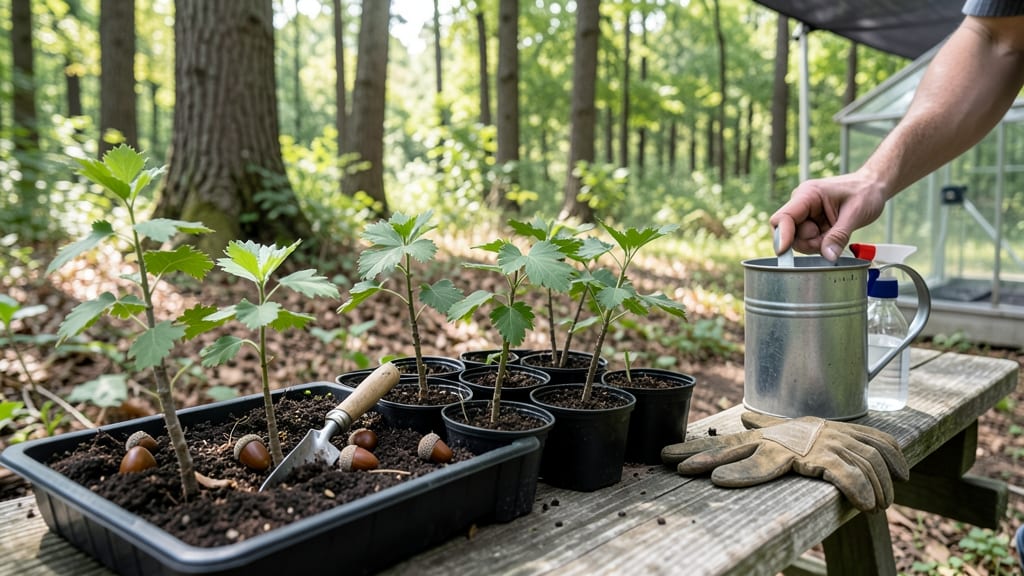
Oak tree propagation from acorns is how forests begin—and your backyard can too. 🌰 I’ve struggled with acorn germination for years, but these secrets cut the failure rate from 90% to nearly 50% (still not perfect, but worth it). The key isn’t just planting; it’s understanding the hidden triggers that wake dormant acorns from their years-long slumber.
You’ll need fresh, plump acorns (not dried or shriveled), a cold stratification period to mimic winter, and patience—oak seedlings grow slow but strong. Most people skip the stratification step, which is why their acorns never sprout.
After 3 months in the fridge, those same acorns will crack open with surprising speed.
By spring, you’ll have sturdy seedlings ready for transplanting, their first true leaves signaling real progress. These aren’t delicate saplings—they’re the backbone of future shade trees. The best part? Each successful seedling is a tiny oak forest in the making, with roots that stretch deeper than you’d expect.
Works for red, white, or pin oak varieties, though timing varies by region. Here’s how to do it right—no guesswork, just reliable growth. Let’s get those acorns sprouting!
📚 In This Guide
- What you need
- Instructions
- Tips and common mistakes
- Wrapping up and next steps
What you need
- ● Fresh acorns (10–20 per attempt): From Quercus species (e.g., white oak, red oak, or pin oak).
- ● Harvest in fall (October–November) for best viability.
- ● Avoid acorns with holes (pest damage) or soft spots (rot).
- ● Potting mix (2–3 bags): Well-draining, sterilized mix (50% peat moss, 30% perlite, 20% sand).
- ○ Optional: Add mycorrhizal fungi (boosts root growth).
- ● Small pots or trays (6–12): 3–4 inch diameter with drainage holes (plastic or biodegradable).
- ● Or, use a seedling tray with individual cells.
- ● Watering can or spray bottle (with fine mist setting).
- ● Plastic wrap or humidity dome (to retain moisture).
- ● Label markers & tags (to track species and planting dates).
- ● Fertilizer (balanced, low-nitrogen, e.g., 10-10-10): Use sparingly—only after sprouts emerge (2–3 months in).
- ● Stratification setup: Refrigerator (for cold stratification: 30–90 days at 40–50°F).
- ● Or, outdoor cold frame (if winters are cold enough).
- ● Heat mat (to speed up germination in warm climates).
- ● Grow lights (if natural light is insufficient).
- ● Pruning shears (for transplanting mature seedlings).
- ● Mulch (wood chips or straw for outdoor planting).
Step-by-step instructions for oak tree propagation
Here's how I've successfully turned acorns into strong oak seedlings—no fancy equipment needed.
🌱 Step 1: Collect and Prepare Acorns
Gather acorns in late fall when they've fallen naturally from mature oaks. Look for plump, heavy acorns with intact caps—these are the healthiest. I always collect from white oak (easier to germinate) or red oak varieties. Store them in a cool, dry place until you're ready to plant, but don't refrigerate them first—that's a common mistake.
Before planting, soak the acorns in warm water for 24 hours. This softens the hard shell and kickstarts the germination process. I use a shallow dish with just enough water to cover the acorns completely. After soaking, let them dry slightly on a paper towel—just until the shells feel slightly damp to the touch.
🪴 Step 2: Plant Acorns in Moisture-Retentive Medium
Fill small pots (about 4-6 inches deep) with a mix of 50% peat moss and 50% perlite. This combination holds moisture while allowing airflow—critical for preventing rot. Moisten the mix until it feels like a damp sponge when squeezed gently. Don't pack it down; oaks hate compacted soil.
Plant each acorn about 1 inch deep, cap-side up. I use a pencil to poke a small hole for each acorn—this prevents damaging the seed. Space them 2 inches apart in the pot. Cover lightly with additional mix, then water gently until the surface looks uniformly moist but not soggy.
☀️ Step 3: Provide Warmth and Indirect Light
Place the pots in a location with indirect light and 65-75°F temperatures. A bright windowsill works well, but avoid direct sun—it can dry out the soil too quickly. I've found that a seedling heat mat set to 70°F speeds up germination significantly, especially in cooler climates.
Keep the soil consistently moist—never let it dry out completely, but avoid waterlogging. You'll know moisture is right when the surface looks slightly damp but doesn't glisten. Germination can take 4-8 weeks, so patience is key. Watch for the first tiny root to emerge from the acorn—this is your signal that germination has begun.
🌿 Step 4: Transplant Seedlings to Larger Containers
Once seedlings reach about 3-4 inches tall and develop their first true leaves (not the initial seed leaves), it's time to transplant. Use individual pots that are 6-8 inches deep filled with a mix of 60% potting soil and 40% compost. This gives them room to grow strong root systems before their final outdoor planting.
Gently remove the seedling from its original pot, being careful not to damage the delicate roots. Place it in the center of the new pot and fill around it with soil, pressing lightly to eliminate air pockets. Water thoroughly after transplanting, and place the pot in a location with morning sun and afternoon shade for the first week to help it adjust.
⏰ Step 5: Acclimate and Plant Outdoors
After 4-6 weeks in their larger pots, when seedlings show 4-5 sets of true leaves, they're ready for outdoor hardening. Start by placing them outside in a sheltered spot for 1-2 hours daily, gradually increasing their time outdoors over 2 weeks. This slow transition prevents shock and helps them develop resilience.
When nighttime temperatures stay above 50°F consistently, it's safe to plant them in their permanent location. Choose a spot with partial shade and well-draining soil. Dig a hole twice as wide as the root ball but only as deep as the pot was. Water deeply after planting to help the roots establish quickly in their new home.
Tips & tricks for perfect oak tree propagation
Real talk: Germinating acorns isn't always straightforward, but these tricks will help you avoid the most common pitfalls and get reliable results.
Acorn Selection: The healthiest acorns come from mature trees—look for ones that are plump, heavy for their size, and have intact caps. I've found white oak acorns germinate most reliably, but red oaks will work too if you're patient. Avoid any acorns that feel hollow when tapped or show signs of insect damage. The right acorn makes all the difference in your success rate.
Soaking Technique: That 24-hour soak in warm water is non-negotiable—it softens the hard shell and jumpstarts germination. I use a shallow dish with just enough water to completely cover the acorns, and I change the water halfway through the 24 hours to prevent bacterial growth. After soaking, let them dry slightly on paper towels until they feel just damp to the touch—this prevents mold while keeping them moist enough to plant.
Temperature Matters: Maintaining that 65-75°F range is crucial, especially if you're using a seedling heat mat. I've seen germination times cut in half when using the heat mat at 70°F, but never exceed 75°F or you risk overheating the acorns. In cooler homes, place the pots on top of refrigerators or other warm appliances to maintain consistent temperatures without direct heat sources.
Transplant Timing: Wait until seedlings reach 3-4 inches tall with their first true leaves before transplanting—this gives them enough energy to handle the stress. I always check for true leaves (not the initial seed leaves) because this indicates the seedling has established its own energy production system. Transplanting too early can shock delicate seedlings that haven't built up sufficient reserves.
Pro Tips for Oak Tree Propagation
- Real talk: Germinating acorns isn't always straightforward, but these tricks will help you avoid the most common pitf...
- Acorn Selection: The healthiest acorns come from mature trees—look for ones that are plump, heavy for their size, and...
- Soaking Technique: That 24-hour soak in warm water is non-negotiable—it softens the hard shell and jumpstarts germina...
Frequently asked questions
Got questions about oak tree propagation?
You’re not alone! Here are answers to the most common queries to help you grow strong, healthy oaks from acorns—without the guesswork.
How long does it take for an acorn to germinate?
Germination can take anywhere from 4 to 12 weeks, depending on species, moisture, and temperature. White oaks often sprout faster (4–6 weeks), while red oaks may take longer (8–12 weeks). Patience is key—keep soil consistently moist and warm (60–70°F) to speed things up!
Can I plant acorns directly outside in fall?
Yes! Fall planting (October–November) mimics natural conditions and often yields better survival rates. Bury acorns 2–3 inches deep in well-drained soil, leaving them uncovered. Cold stratification over winter breaks dormancy, so they’ll be ready to sprout in spring. Just avoid heavy frost zones!
Why aren’t my acorns sprouting?
Common culprits include: dormancy (try cold stratification), rotting (use fresh, plump acorns), or poor soil (ensure drainage and warmth). If they’re moldy or shriveled, they’re likely dead. Pro tip: Soak acorns in water for 24 hours before planting to test viability—floaters are no good!
How do I tell if my oak seedling is healthy?
A thriving oak seedling has two cotyledons (seed leaves), bright green foliage, and a sturdy stem. Watch for yellowing leaves (overwatering) or wilting (underwatering). Thin, leggy growth? It needs more sunlight. Transplant when seedlings have 3–4 true leaves and are at least 6 inches tall.
What’s the best alternative if acorns fail?
If germination flops, try grafting (for mature oaks) or buying nursery-grown saplings (faster, guaranteed growth). For rare species, check local native plant nurseries or conservation programs. Just avoid wild-collected seedlings—they may carry pests or diseases!
Wrapping up and next steps
Propagating oak trees from acorns is a rewarding journey that connects you to nature’s timeless cycles—and you’ve got the knowledge to make it thrive! 🌱 Whether you’re a seasoned gardener or a curious beginner, patience and the right techniques will help you nurture strong, resilient saplings.
Now that you’re equipped with the secrets to reliable germination, take the next step: plant your first acorn today and watch your forest grow, one tiny root at a time.