
Blooming
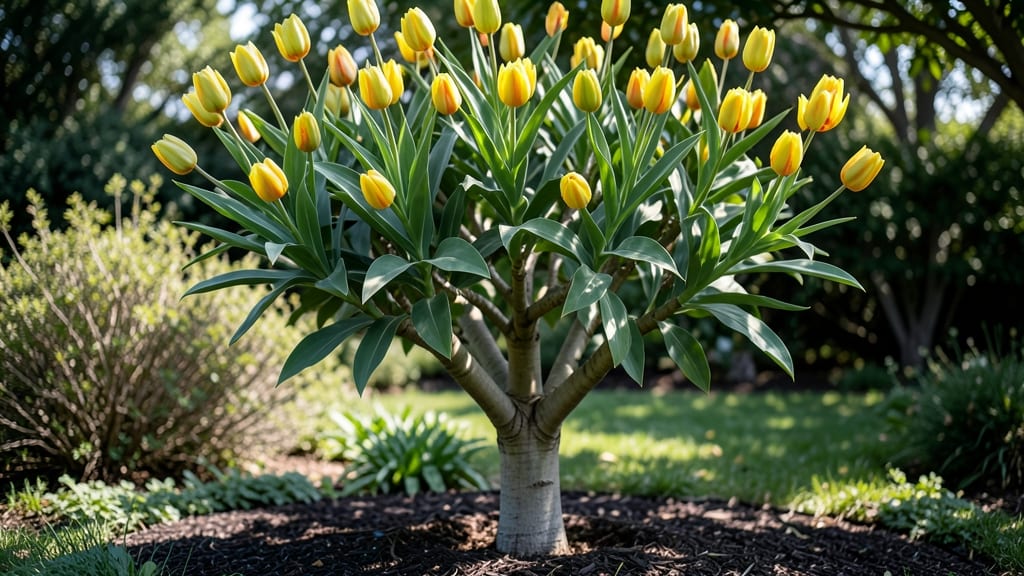
The tulip tree blooms in late spring, offering stunning yellow-green flowers that last just a few weeks—but timing varies wildly by region.
If you’re eagerly waiting for the 🌳 tulip tree’s showstopping blooms, you’ve likely noticed how quickly they can appear (or disappear) depending on where you live. In the South, they might burst open by April, while up north, you could be staring at bare branches until May.
This guide breaks down the exact month-by-month bloom windows across the U.S., plus how sunlight, age, and even last winter’s weather can shift the schedule. You’ll also learn how to coax earlier blooms with simple care tweaks—because missing this fleeting display is no fun.
Whether you’re planning a spring garden or just admiring a neighbor’s tree, you’ll know exactly when to mark your calendar for those iconic tulip-shaped flowers.
Exact tulip tree bloom time by U.s. region (month-by-month guide)
The tulip tree (Liriodendron tulipifera) is one of spring’s most spectacular sights, but its bloom timing shifts dramatically across the U.S. In southern regions, you might spot those iconic yellow-green tulip-shaped flowers as early as February, while northern gardeners may wait until late May.
Understanding your USDA hardiness zone and local frost patterns is key to predicting when your tree will burst into color.
Tulip trees typically need consistent daytime temperatures above 50°F (10°C) to trigger blooming. Early bloomers in Zone 7 and warmer often start in March, while Zone 5 and colder areas may not see flowers until mid-to-late May.
Even within the same zone, microclimates—like urban heat islands or sheltered valleys—can shift bloom times by 2-4 weeks.
Here’s the month-by-month breakdown you need to plan your garden around these stunning spring blooms:
In Zone 8 and warmer, tulip trees often bloom 2-3
How to extend your tulip tree’s bloom season with proper care
Your tulip tree (Liriodendron tulipifera) is a springtime showstopper, but its bloom time can feel disappointingly short. The good news? With the right gardening care, you can coax earlier blooms or stretch that vibrant yellow-green display by weeks.
The secret lies in understanding how light exposure, pruning timing, and soil health interact to trigger those iconic tulip-shaped flowers.
First, recognize that tulip trees are light-sensitive bloomers. They rely on sunlight exposure during winter dormancy to set flower buds. If your tree gets too much shade—especially from competing foliage—it may delay blooming or produce fewer flowers.
Even in full sun, small adjustments can make a big difference in bloom duration.
- Prune in late winter (Feb-March) to remove dead branches and improve airflow—this encourages earlier bud formation.
- Apply a balanced fertilizer (10-10-10) in early spring to boost nutrient uptake for flower production.
- Mulch with organic matter (like compost) to regulate soil temperature and retain moisture.
- Water deeply but infrequently—drought stress can delay blooming, but soggy roots harm roots.
- Thin competing vegetation around the base to ensure unobstructed sunlight reaches the canopy.
Let’s start with pruning, the most critical step for extending bloom time. Unlike many trees, tulip trees bloom on new wood, meaning last year’s growth produces this year’s flowers. Prune in late winter (February or March) to remove dead or crossing branches.
Avoid heavy pruning in summer or fall, as this can stress the tree and reduce next year’s blooms. Focus on opening up the canopy to let sunlight penetrate to the inner branches where buds form.
Next, pay attention to watering techniques. Tulip trees are drought-tolerant once established, but inconsistent moisture—especially during bud formation—can delay blooming. Water deeply once a week (or more in extreme heat) to encourage deep root growth. Morning watering is best to prevent fungal issues.
Overwatering is just as harmful as underwatering, so always check soil moisture 2-3 inches deep before watering.
Your soil conditions play a surprising role in bloom timing. Tulip trees thrive in well-draining, slightly acidic soil (pH 5.0–7.0). If your soil is compacted or alkaline, amend it with compost or peat moss in early spring.
A light feeding of balanced fertilizer (like 10-10-10) in March can give your tree the nutrients it needs to produce more abundant blooms. Avoid high-nitrogen fertilizers, which promote leafy growth at the expense of flowers.
Finally, don’t overlook seasonal maintenance. In fall, remove any fallen leaves or debris around the base to prevent disease. In winter, avoid heavy mulching—stick to a 2-3 inch layer to protect roots without suffocating them.
These small steps ensure your tulip tree stays healthy and ready to burst into bloom year after year.
With these care adjustments, you’ll enjoy your tulip tree’s stunning flowers for weeks longer than average—and maybe even catch those first blooms a little earlier! The key is consistency: prune at the right time, water thoughtfully, and feed strategically to set your tree up for success. 🌸