
Blooming
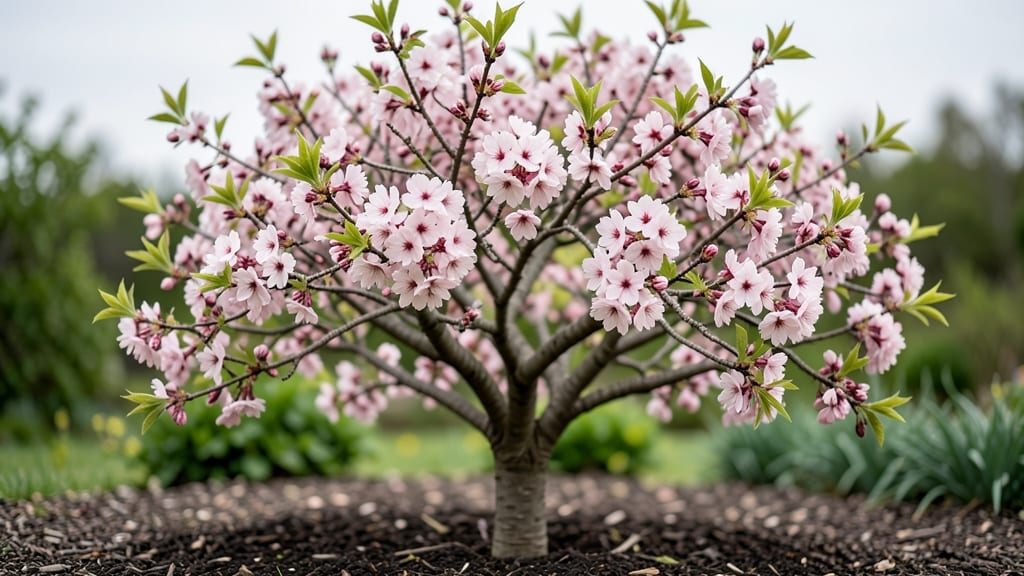
Peach tree bloom time depends on your USDA zone and variety, but most trees burst into blossoms 🍑 between late March and early May.
Picture this: your peach tree stands dormant all winter, then—almost overnight—pink and white flowers cover every branch. Timing is everything, though. A late frost can wipe out those blooms before they set fruit, leaving you with empty branches by summer.
In Zone 6a, where many gardeners live, blooms typically arrive in early April, but warmer zones like 8 or 9 can see flowers as early as February. Understanding your local climate helps you predict when to expect fruit set and plan for a successful harvest.
Below, I’ll break down how to read your tree’s signals, adjust care for optimal blooming, and even manipulate the timeline for bigger yields—no guesswork required.
Peach tree bloom time by USDA climate zones: when to expect flowers
Timing your peach tree's bloom is the first step to a successful harvest. Peach trees require precise temperature cues to flower, and your USDA climate zone determines when those blooms will appear.
In warmer zones (7-9), blooms may start as early as late February, while cooler zones (5-6) often see flowers in April. Understanding these patterns helps you prepare for frost risks and fruit set.
Peach trees need 300-1,000 hours of winter chilling (below 45°F) to break dormancy. If your zone gets less than 300 hours, choose low-chill varieties like 'Redhaven' or 'Elberta'. Without enough chill, blooms may fail entirely. Temperature spikes during bloom can also cause flower drop, reducing your yield.
Here’s how bloom timing varies by zone, including early, mid, and late-season varieties that thrive in each region:
In USDA Zone 5-6, peach trees often bloom in late April or May, aligning with the last frost dates in most northern regions. Early bloomers like 'Redhaven' may appear as soon as mid-April, but late frosts can damage flowers.
Use frost cloths or smoke generators to protect blooms if temperatures dip below 28°F.
Zones 7-8 experience blooms as early as February, with low-chill varieties like 'Babygold 5' thriving in these warmer climates. These zones have minimal frost risk after March, making them ideal for early-season peaches.
However, heat spikes above 90°F during bloom can cause flower drop, so consistent watering is key.
For Zone 9 gardeners, blooms start in January or February, often overlapping with citrus bloom seasons. Varieties like 'Mandarin' require only 100-200 chill hours, making them perfect for coastal or desert climates. Irrigation management is critical here—overwatering can delay blooming, while drought stress reduces fruit set.
After blooms appear, count 60-90 days to estimate harvest time. Weather fluctuations can shift this window—cool springs delay ripening, while hot summers speed it up. Monitor your tree’s fruit development closely, as peaches ripen unevenly on the same branch.
Pro tip: Prune in late winter (before buds swell) to improve airflow and sunlight penetration. This reduces disease risk and ensures even blooming. Avoid heavy pruning after bloom, as it can stress the tree and reduce fruit production.
🌱
How to adjust your peach tree care for optimal bloom timing
Peach trees are finicky about bloom timing—too much heat too soon, and you might lose your flowers before they set fruit. The key to optimal bloom timing lies in three critical adjustments: winter chilling, spring pruning, and frost protection.
Each plays a role in ensuring your tree blooms at the right moment for your climate zone. Let’s break down how to fine-tune your care routine for success.
First, understand that peach trees need 300-1,000 hours of chilling temperatures (below 45°F) during winter to break dormancy. Without enough chill hours, your tree might bloom late—or worse, not at all.
If you’re in a warmer zone (USDA 8-9), consider selecting low-chill varieties like ‘Redhaven’ or ‘Elberta’ to match your climate. For colder zones, focus on pruning and frost protection to safeguard early blooms.
- ✅ Winter Chilling: Ensure 300-1,000 hours below 45°F for dormancy break. Use anti-desiccant sprays in dry winters to retain moisture.
- ✅ Spring Pruning: Prune 2-4 weeks before bloom to remove dead wood and open the canopy for sunlight. Avoid heavy pruning after blooms appear.
- ✅ Frost Protection: Cover blooms with frost cloth if late frosts are forecasted. Use row covers for young trees in high-risk zones.
- ✅ Fertilizing: Apply balanced 10-10-10 fertilizer in early spring (before buds swell) to support bloom development. Avoid high-nitrogen fertilizers in late summer.
- ✅ Watering: Deep-water once a week during dormancy to prevent stress. Increase to 2-3 times per week as buds swell in spring.
Timing your spring pruning is another game-changer. Prune your peach tree 2-4 weeks before bloom time to encourage strong, healthy growth without stressing the tree. Focus on removing dead, diseased, or crossing branches to improve airflow and sunlight penetration.
If you prune too late, you risk delaying bloom time or even removing potential fruit-bearing branches. Use sterilized pruning shears to prevent bacterial infections like leaf spot.
Frost is the silent bloom-killer, and protecting your tree from late frosts is non-negotiable. If your local forecast calls for temperatures below 28°F after blooms appear, act fast. Cover the tree with frost cloth or use row covers to shield flowers from damage.
For young trees, consider installing a drip irrigation system to release water slowly overnight—this creates a microclimate that raises temperatures slightly. Even a 5°F buffer can mean the difference between a failed crop and a bountiful harvest.
Don’t overlook the power of fertilization timing. Apply a balanced 10-10-10 fertilizer in early spring (just as buds begin to swell) to provide the nutrients needed for robust blooms. Avoid heavy fertilization in late summer or fall, as this can stimulate late-season growth that won’t harden off before winter.
Instead, focus on mulching with compost to improve soil health and moisture retention over time. This gradual approach keeps your tree strong without disrupting its natural bloom cycle.
Finally, monitor your tree’s watering needs closely during the bloom period. Peach trees need consistent moisture but hate soggy roots. Water deeply once a week during dormancy, then increase to 2-3 times per week as buds swell.
Use a drip irrigation system to deliver water directly to the roots, reducing evaporation and fungal risks. Avoid overhead watering, which can spread diseases like peach leaf curl.
With the right adjustments, your peach tree will bloom right on schedule—and you’ll be on your way to a sweet, abundant harvest.