
Pests and Diseases
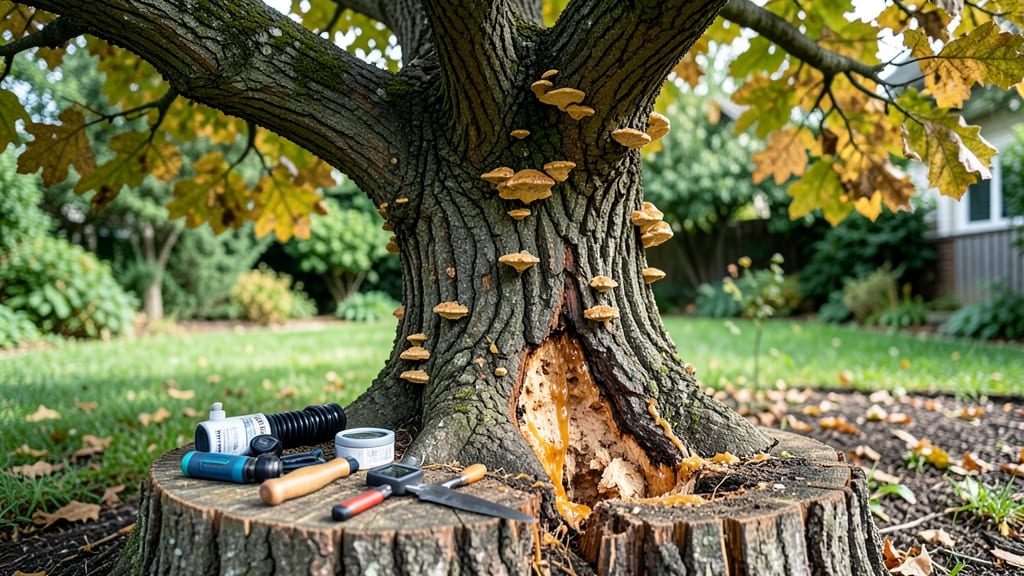
The tree fungus and rot treatment specialists can still save your dying tree—fungus and rot don’t always mean the end. 🌳 I’ve watched trees recover from advanced decay with the right treatment, and the key is acting fast before the damage spreads beyond repair. The moment you spot mushroom clusters at the base or soft, crumbly wood, that’s your signal to intervene before the tree’s structural integrity collapses.
Common culprits like armillaria root rot or heart rot thrive in damp, shaded conditions, but they’re not invincible. Organic options—like copper fungicides or soil solarization—work for early stages, while severe cases may need targeted chemical treatments.
The goal isn’t just to stop the spread but to restore the tree’s ability to heal itself, often with pruning to remove infected areas and improve airflow.
You’ll see the first signs of recovery in 6-12 months: new growth at the tips of branches, firmer bark, and fewer fungal spores. The long-term strategy focuses on prevention—proper drainage, mulching, and avoiding overwatering—to keep your tree strong enough to resist future attacks.
Even if the tree doesn’t fully bounce back, you can extend its life and preserve its beauty.
When in doubt, consult a specialist before the rot reaches the center. Early intervention turns a hopeless-looking tree into a success story—one that might just outlive your grandchildren. Let’s get your tree back on track.
Root Causes Of Tree Decay
When a tree’s health starts to decline, fungus and rot are often the silent culprits behind the damage. Understanding why these issues develop is the first step in preventing—or treating—them effectively. Below, we break down the primary causes of tree decay, from environmental stressors to biological invaders.
Trees thrive in balance, but extreme moisture—whether from flooding, poor drainage, or prolonged rain—creates the perfect breeding ground for fungal spores. Here’s how it happens:
- Excess Moisture:
Waterlogged soil starves tree roots of oxygen, weakening their defenses. Fungi like Armillaria (honey fungus) or Phytophthora thrive in saturated conditions, attacking roots and bark. 💡 Pro Tip: Improve drainage with gravel, French drains, or raised beds to prevent chronic sogginess.
- Drought Stress:
While counterintuitive, severe drought can also invite decay. A stressed tree’s weakened vascular system becomes an easy target for opportunistic fungi, such as Fomes fomentarius (tinder fungus), which colonizes dead or dying wood.
- Wet Wood:
Rain, snow, or irrigation that sits on bark (e.g., from dense foliage or improper pruning) creates a damp environment. Fungi like Ganoderma (reishi mushroom) exploit this moisture to penetrate wounds.
Trees are resilient, but injuries—whether from storms, construction, or improper pruning—create entry points for fungal invaders. The key offenders:
- Poor Pruning Cuts:
When cuts are too deep, jagged, or left with stubs, they fail to seal properly. Fungi like Nectria or Cytospora infect these wounds, leading to cankers (sunken, dead areas) that spread inward.
- Storm or Hail Damage:
Broken branches expose fresh wood to moisture and spores. 💡 Pro Tip: Seal wounds with tree wound paint (pruning sealant) only if the cut is large (>2 inches); small wounds should be left to heal naturally.
- Construction or Machinery:
Root or trunk damage from digging, compacted soil, or vehicle impacts disrupts the tree’s nutrient flow, making it vulnerable to Armillaria or Heterobasidion (annosum root rot).
Not all fungi are harmful, but some are highly specialized at breaking down wood. These pathogens exploit weak trees or direct entry points:
| Fungus Type | Target Area | How It Spreads |
|---|---|---|
| Armillaria mellea (Honey Fungus) | Roots, trunk base | Spores spread via soil contact or infected plant debris. Thrives in compacted or waterlogged soil. |
| Ganoderma spp. (Shelf Fungus) | Trunk, branches (often on oaks, maples) | Invades through wounds; produces conspicuous bracket fungi on bark. |
| Polyporus spp. (Conk Fungi) | Heartwood (internal decay) | Enters via root grafts or large wounds; causes structural weakness. |
| Ophiostoma novo-ulmi (Dutch Elm Disease) | Vascular system (xylem) | Spread by bark beetles; clogs water-conducting tissues, leading to wilting. |
🔥 Key Insight: Some fungi, like Armillaria, release toxins that kill roots before visible symptoms appear. By the time you see mushrooms at the base, the tree may already be beyond saving.
A tree’s natural defenses—like resin production or competitive root systems—can be overwhelmed by:
- Nutrient Deficiencies:
Lack of nitrogen, phosphorus, or micronutrients (e.g., manganese) weakens cell walls, making wood easier for fungi to colonize.
- Pest Infestations:
Bark beetles, borers, or aphids create stress pathways. For example, Ophiostoma (linked to Dutch Elm Disease) hitches rides on bark beetles.
- Competing Vegetation:
Grass, ivy, or invasive roots steal moisture and nutrients, leaving the tree susceptible to Phytophthora or Rosellinia (white root rot).
- Improper Planting:
Planting too deep (girdling roots) or too shallow (surface roots) restricts growth, inviting fungal infections.
🎯 Actionable Fix: Conduct a soil test and amend with compost or mycorrhizal fungi to boost tree vitality. Mulch properly (2–4 inches deep, kept away from the trunk) to regulate moisture and temperature.
By identifying the specific cause of decay in your tree—whether it’s water, wounds, or pathogens—you can target treatments (like fungicides, pruning, or soil aeration) with precision. 💡 Remember: Early intervention is critical; some rots progress faster than others, but all require prompt action to save the tree.
How to Treat Tree Decay
When fungus and rot take hold in your trees, quick action is key to saving them. Below are targeted solutions for the most common causes of tree decay—along with proactive steps to prevent future damage. Think of these as your tree’s emergency first aid kit, paired with long-term care.
Fungi like Armillaria (honey mushroom), Ganoderma (reishi), or Polyporus (shelf fungus) thrive in damp, stressed trees. Here’s how to tackle them: #### 🔥 Remove Infected Wood Immediately - 🪓 Prune out infected branches at least 6–12 inches below visible signs of rot or fungal growth. Use sterilized tools (bleach or rubbing alcohol) to avoid cross-contamination. - 🗑️ Dispose of infected wood in sealed bags—do not compost. Burning is ideal if local regulations allow. #### 💧 Improve Airflow and Drainage - 🌲 Thin the canopy to reduce humidity near the trunk. Aim for 20–30% less foliage to let sunlight and air circulate. - 💦 Fix irrigation issues: Water trees at the base (not overhead) and ensure soil slopes away from the trunk to prevent waterlogging. #### 🛡️ Apply Fungicidal Treatments - 💡 Early-stage fungicides: Copper-based sprays or systemic fungicides (like Propiconazole) can slow spread. Reapply every 2–4 weeks during wet seasons. - 🌿 Organic options: Horticultural vinegar (1–2% acetic acid) or neem oil sprays may help non-severe cases. Test on a small area first. #### 🌱 Prevention Tips - 🌡️ Mulch correctly: Use 2–4 inches of organic mulch (wood chips, bark) but keep it 6 inches away from the trunk to prevent moisture buildup. - 🔍 Inspect regularly: Check for mushrooms at the base or conks (shelf-like growths) on the trunk annually, especially after storms. Root rot (from Phytophthora or Armillaria) or trunk rot weakens a tree’s core. These steps can stabilize—or save—your tree: #### 👨🍳 Soil Aeration and Drainage Fixes - 🔪 Core aeration: Use a soil auger to create 4–6 inch holes around the root zone to improve oxygen flow. Do this in dry weather. - 💦 Install French drains: If water pools near the base, redirect it with a perforated pipe surrounded by gravel, sloping away from the tree. #### 🛠️ Structural Support for Weak Trees - 🪵 Cable or brace unstable trunks: For trees with hollow or split trunks, professional bracing can prevent collapse during storms. - 🌿 Root zone fertilization: Use mycorrhizal fungi (beneficial soil fungi) or slow-release nitrogen to boost root health. Avoid synthetic fertilizers—they can worsen rot. #### 🚫 When to Call a Specialist - If >30% of the trunk is hollow or mushrooms grow year-round, the tree may be beyond saving. A certified arborist can assess if removal is safer than risking a fall. - 💡 Pro tip: Look for Arborist Consultant (MA) or ISA Certified Arborist credentials—they’re trained to handle advanced cases. Insects like bark beetles or termites create entry points for fungi. Seal the wounds and restore tree health: #### 🔪 Clean and Seal Wounds - 🪓 Remove infested bark with a chisel and sterilized tool. Scrape the area clean to expose healthy wood. - 🎨 Apply tree wound sealant: Products like Tanglefoot Tree Wound Pruning Seal can protect fresh cuts from moisture and pests. #### 🐛 Target the Pests First - 💡 For beetles/borers: Use drench treatments with imidacloprid (systemic insecticide) or invite predator beetles (like Coccinellidae) to your yard. - 🐜 For termites: Bait stations or liquid termiticides (like Bifenthrin) can reduce colonies before they spread to the roots. #### 🌿 Boost Tree Immunity - 💪 Deep-watering: Water slowly at the drip line (not the trunk) for 1–2 hours, 2x/week in dry climates. - 🍎 Feed with balanced nutrients: Use a low-phosphorus, high-potassium fertilizer (like 10-10-20) to strengthen cell walls against invaders. Prevention is easier than a cure. Follow this routine to keep your trees healthy: - 📅 Annual inspections: Check for cracks, oozing sap, or unusual leaf drop in spring and fall. - 🌧️ Storm prep: Remove broken branches post-storm to prevent fungal entry. - 🌿 Soil testing: Test pH and nutrient levels every 2–3 years. Aim for pH 6.0–7.0 for most trees. - 🚫 Avoid over-pruning: Never remove >25% of the canopy in one season—it stresses trees and invites decay.Remember: Some trees are already too far gone. If you’re unsure, consult a tree fungus and rot treatment specialist for a professional diagnosis. Early intervention often means the difference between a saved tree and a stump.
Frequently asked questions
How can I tell if my tree has fungus or rot?
Look for mushrooms growing at the base, conk fungi (shelf-like growths) on the trunk, or soft, crumbly wood when tapped. Yellowing leaves, oozing sap, or sudden branch dieback are also red flags. Check for hollow-sounding wood by knocking on the trunk with a tool.
Can I save a tree with advanced rot or fungus?
It depends on the severity. If >30% of the trunk is hollow or mushrooms appear year-round, the tree may be beyond saving. However, for early-stage cases, pruning infected areas, improving drainage, and applying fungicides can stabilize it. Always consult a specialist before deciding to remove.
What’s the best organic treatment for tree fungus?
For mild cases, try copper fungicide sprays or horticultural vinegar (1–2% acetic acid). Neem oil can also help, but avoid overusing it—focus on improving airflow and reducing moisture. Organic options work best for prevention, not advanced decay.
How often should I inspect my trees for fungus?
Check your trees twice a year: once in spring (after storms) and again in fall (before winter). After heavy rains or droughts, do a quick spot-check. Early detection is key—waiting until mushrooms appear often means the tree is already compromised.
Will pruning alone stop tree rot?
No, pruning removes infected wood but won’t stop the spread on its own. Always pair it with fungicide treatments and drainage improvements. Cutting too late in the season (after mid-August) can stress the tree further, making it more vulnerable to reinfection.