
Pruning
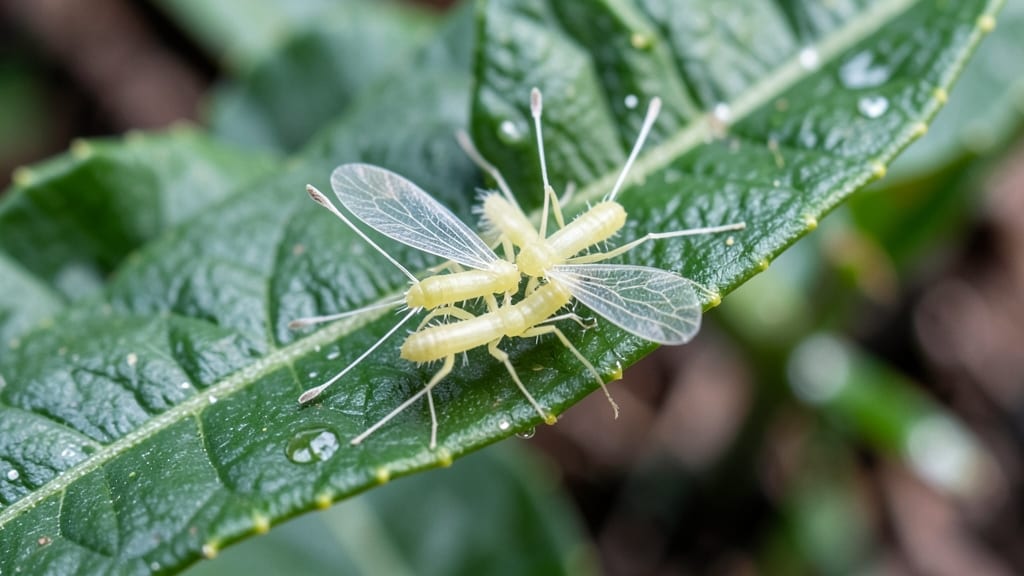
Tiny tree bugs might look harmless, but they can turn your healthy trees into weak, struggling plants overnight. 🌳 I’ve watched aphids drain sap from my apple tree until the leaves curled like old parchment—and that’s when I learned the hard way that these pests don’t wait for permission to multiply.
Most people spot the damage first: sticky residue on leaves (aphid honeydew), tiny white specks on bark (scale insects), or fine webbing between branches (spider mites). These bugs thrive in dry, hot conditions, so early summer is their prime time to strike.
The good news? Catching them early means you can stop them with simple, effective methods—no harsh chemicals required.
You’ll learn to recognize the most common culprits by their size, shape, and the damage they leave behind. A quick spray of neem oil or insecticidal soap can wipe out entire colonies in days, while pruning infested branches removes their hiding spots.
The key is acting fast—before they spread to your entire yard.
Prevention is easier than cleanup: healthy trees resist pests better, and a few preventive sprays in spring can keep bugs from getting a foothold. Whether you’re dealing with a single branch or a full-blown infestation, this guide gives you the tools to protect your trees—naturally and effectively.
Hidden Invaders In Your Yard
Tiny tree bugs—often overlooked until they become a full-blown infestation—don’t just appear out of nowhere. Their presence is usually a response to specific conditions in your trees, soil, or even the surrounding environment.
Understanding these triggers can help you prevent and control them before they cause lasting damage. Here’s why these pests show up in the first place.
Healthy trees are naturally resistant to pests, but when they’re stressed, they become prime targets. Tiny bugs like aphids, scale insects, or spider mites thrive on trees that are:
- Nutrient-deficient: Lack of nitrogen, phosphorus, or potassium weakens a tree’s immune system, making it easier for pests to latch on. Think of it like a human with a vitamin deficiency—vulnerable to infections.
- Water-stressed: Overwatering or drought can disrupt a tree’s ability to fend off invaders. Overwatering creates soggy conditions that attract fungal-loving pests (like bark beetles), while drought stresses trees, making their sap a sweeter, more appealing meal for sap-sucking bugs.
- Physically damaged: Cracks in bark, broken branches, or wounds from pruning create entry points. Example: Bark beetles bore into trees through even the smallest cracks, while aphids cluster on new growth after pruning.
Actionable fix: Conduct a soil test to check nutrient levels and adjust with organic fertilizers. Water deeply but infrequently (1–1.5 inches per week) and prune only during the dormant season to minimize stress.
Trees with dense, tangled foliage or dead branches create the perfect hide-and-seek playground for tiny pests. Here’s how overgrowth contributes:
- Reduced airflow: Humid, stagnant conditions inside thick canopies encourage fungal growth, which attracts pests like borers and mealybugs.
- Sugar-rich honeydew: Aphids and scale insects excrete sticky honeydew, which attracts ants (their protectors) and fosters sooty mold—a black fungal film that smothers leaves.
- Sunlight deprivation: Shady, moisture-rich environments inside crowded canopies are ideal for mite populations, which thrive in cooler, damp conditions.
Actionable fix:
- Thin out branches to improve airflow (remove 20–30% of dense growth).
- Prune dead or diseased branches immediately to eliminate breeding grounds.
- Use a hose spray to wash away honeydew and reduce ant activity.
Tiny tree bugs are highly sensitive to temperature, humidity, and seasonal changes. Their life cycles accelerate or stall based on these factors:
| Pest Type | Triggering Conditions | Peak Activity |
|---|---|---|
| Scale insects | Dry, hot summers + mild winters | Spring (new growth) and fall (egg-laying) |
| Spider mites | Prolonged drought + high temps (above 85°F) | Late summer to early fall |
| Bark beetles | Extended drought stressing trees | Summer (adults emerge to mate) |
| Aphids | Warm, humid springs | Early to mid-spring (explosive reproduction) |
Actionable fix:
- Monitor weather patterns in your region and treat before peak seasons (e.g., apply neem oil in early spring for aphids).
- Install weather stations or use local agricultural alerts for pest outbreaks.
- Mulch trees to regulate soil moisture and reduce temperature fluctuations.
Not all trees are equally appealing to tiny bugs. Some species are naturally more vulnerable due to their sap composition, leaf structure, or growth habits:
- Sap-rich trees: Maple, birch, and willow trees produce sweet sap that attracts aphids, scale, and borers.
- Softwood conifers: Pines, spruces, and firs are magnets for bark beetles and sawfly larvae.
- Fast-growing ornamentals: Trees like boxwood, lilac, and rose are prone to Japanese beetles and spider mites due to tender new growth.
Actionable fix:
- Choose resistant tree varieties for your region (e.g., disease-resistant maples or pest-hardy oaks).
- If you have high-risk trees, apply preventive sprays (like kaolin clay) to deter pests.
- Avoid over-fertilizing nitrogen, which makes sap sweeter and more attractive.
Pro Tip: 💡 Early detection is key! Inspect trees weekly during peak seasons—look for tiny webs, sticky residue, or tiny crawling dots on leaves/stems. Catching bugs early means less damage and fewer chemicals needed.
Quick Fixes for Tree Pests
When tiny tree bugs invade your yard, acting fast is key to preventing damage. Below are practical, step-by-step solutions tailored to common causes—whether it’s aphids, scale insects, spider mites, or bark beetles. Each fix includes prevention tips to keep your trees healthy long-term.
Before treating, confirm the pest type. Check for:
- Sticky residue (aphids, scale) on leaves or bark
- Webbing (spider mites, sawfly larvae)
- Holes or sawdust-like frass (bark beetles, borers)
- Yellowing leaves (sap-sucking pests like mealybugs)
💡 Pro Tip: Use a hand lens (10x magnification) or take close-up photos for accurate ID. Local extension offices often offer free pest diagnostics!
For minor outbreaks (early signs, <10% of leaves/bark affected), try these low-toxicity methods:
👨🍳 Spray Solutions (Best for Sap-Suckers)
- Soap Spray (Homemade)
- Mix 1 tbsp mild liquid soap (like Castile) + 1 quart water in a spray bottle.
- Shake well and apply directly to pests (undersides of leaves, bark crevices).
- Reapply every 5–7 days for 2–3 weeks.
- Why it works: Soap disrupts pests’ protective wax layers.
- Neem Oil (Systemic & Repellent)
- Combine 1 tbsp neem oil + 1 tsp horticultural oil + 1 tsp mild soap + 1 gallon water.
- Spray at dusk (avoids harming bees) and repeat weekly for 4 weeks.
- Bonus: Neem also prevents future infestations by deterring egg-laying.
- Horticultural Oil (For Scale & Mealybugs)
- Use refined oil (like Sunspray Oil) in a 1% concentration (follow label).
- Apply when temps are 50–85°F (oil can burn leaves in extreme heat).
- Best for: Dormant trees (winter/early spring) or active pests on bark.
🌿 Physical Removal (For Heavy Clusters)
- Prune Infested Branches: Cut and dispose of heavily infested limbs (bag and trash them—don’t compost!).
- Blast Off Pests: Use a strong stream of water (hose) to dislodge aphids or spider mites from leaves.
- Hand-Pick Large Larvae: Gloves + tweezers work for tent caterpillars or borer exit holes.
If natural methods fail, selective insecticides can help—but use them strategically:
| Pest Type | Recommended Treatment | Application Tips |
|---|---|---|
| Aphids/Scale | Imidacloprid (Systemic) or Pyrethrin (Contact) | Apply to soil (systemic) or direct spray (contact). Avoid blooming trees. |
| Bark Beetles | Permethrin or Bifenthrin | Drill small holes in infested areas and inject. Repeat in 2 weeks. |
| Spider Mites | Sulfur or Acephate | Spray undersides of leaves—mites hide there! |
| Borers | Dinotefuran (Systemic) | Soil drench before adult emergence (check local timing). |
⚠️ Warning: Always read labels for tree species compatibility and reentry times. Avoid broad-spectrum sprays like malathion—they kill beneficial insects too.
Stop pests before they start with this year-round schedule:
| Season | Task | How to Do It |
|---|---|---|
| Early Spring | Prune & Clean Up | Remove dead branches and fallen leaves (pests overwinter here!). Sterilize pruners with rubbing alcohol. |
| Late Spring | Monitor & Apply Neem Oil | Check for new eggs/larvae weekly. Spray neem oil preventatively. |
| Summer | Water Deeply & Mulch | Drought-stressed trees attract pests. Mulch 3–4 inches deep (keep away from trunk). |
| Fall | Inspect for Eggs & Treat Dormant Trees | Look for egg masses (tent caterpillars, scale). Apply horticultural oil if needed. |
| Winter | Protect Young Trees | Wrap trunks with tree guard to deter chewing pests. |
🌡️ Heat Tip: Pests thrive in heat—water trees deeply 2–3x/week during dry spells to reduce stress (stressed trees = pest magnets).
Healthy trees resist pests naturally.
Boost defenses with: - Balanced Fertilizer: Test soil and apply slow-release, organic fertilizer (like fish emulsion) in early spring. - Beneficial Insects: Attract ladybugs, lacewings, and parasitic wasps with native plants (dill, fennel, yarrow). - Proper Pruning: Remove crossing branches and suckers to improve airflow (reduces humidity = fewer fungal pests).
💡 Final Pro Tip: Keep a pest journal! Note when infestations start, tree stress factors, and what treatments worked. Patterns help predict and prevent future outbreaks.
Frequently asked questions
How do I tell if tiny tree bugs are harming my trees?
Look for these red flags: sticky residue (aphid honeydew), yellowing leaves, tiny webs between branches (spider mites), or white specks on bark (scale insects). Check undersides of leaves and bark crevices where pests hide. Early signs include curled leaves or slow growth.
Can I use vinegar spray to kill tiny tree bugs?
White vinegar can help as a contact killer for soft-bodied pests like aphids, but it’s not a complete solution. Mix 1 cup vinegar + 1 quart water + 1 tsp dish soap and spray directly on bugs. Avoid using on drought-stressed trees or during hot weather—it can damage leaves.
Why do ants protect tiny tree bugs like aphids?
Ants "farm" aphids because they eat the honeydew these bugs produce. The ants stroke aphids to get more sugar, creating a mutualistic relationship. To break this cycle, disrupt the ants first with diatomaceous earth or soapy water sprays on ant trails.
How often should I check my trees for tiny bugs?
Inspect trees every 7–10 days during peak seasons (spring through fall). Focus on new growth and undersides of leaves where pests hide. Use a hand lens for better visibility—early detection means easier treatment!
Are tiny tree bugs dangerous to humans or pets?
Most tiny tree bugs (like aphids or mites) aren’t harmful to humans or pets, but some (like bark beetles) can carry fungal spores that may cause allergies. The real risk comes from chemical treatments—always keep pets away from sprayed areas for 24–48 hours after application.