
Pests
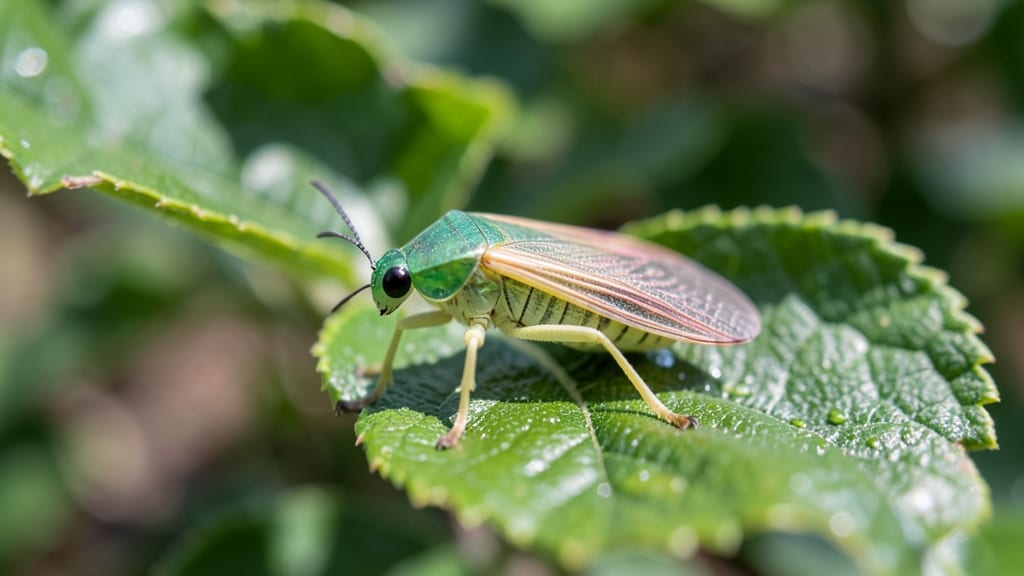
Seeing tiny insects on apple tree leaves crawling around can turn a sunny afternoon into a gardener's nightmare—especially when you realize they're stealing nutrients from your future harvest. 🌿 The good news?
Most common pests like aphids, mites, and leafrollers respond to fast-acting natural remedies before they turn your tree into a skeleton of leaves. I've battled these critters for years, and the key is catching them early when a simple spray or two can save your tree.
These insects don't just show up randomly—they're drawn to stressed trees, overcrowded branches, or last year's stuck-on fruit. That's why prevention starts in winter with proper pruning and spring with a good cleaning.
Once they arrive, you'll spot their damage first: curled leaves, sticky residue (aphid honeydew), or tiny webs that look like lace. The sooner you act, the less work you'll have later—some pests spread faster than weeds in a spring rain.
You'll be amazed how quickly a homemade neem oil spray or soapy water blast can clear out an infestation—often within days if you hit them at the right time. For stubborn cases, companion plants like marigolds or garlic can deter future visitors.
The best part? These methods work without harsh chemicals, so your fruit stays safe for picking. Let's tackle this before your tree loses another leaf.
Whether you're dealing with a first-time outbreak or a recurring battle, the right approach depends on what's actually chewing on your tree. We'll cover identification tricks so you can target treatments precisely—because not all bugs need the same cure.
Plus, I'll share my go-to schedule for when to spray, when to wait, and how to tell if your tree is fighting back.
Hidden Invaders Triggering Leaf Damage
Apple tree leaves aren’t just a buffet for hungry insects—they’re a prime real estate target for pests that thrive in the right conditions. Understanding why these critters show up in the first place is the key to stopping them before they wreak havoc.
Below, we break down the real reasons behind the infestation, from environmental triggers to plant weaknesses.
Healthy trees repel insects naturally, but stress makes them vulnerable. When apple trees are nutrient-deficient, overwatered, or drought-stressed, their leaves become an easy snack for pests like aphids, mites, and leafhoppers. Why?
- Poor soil health: Lack of nitrogen, phosphorus, or potassium weakens leaves, making them softer and more appealing to chewing insects.
- Water stress: Overwatering rots roots, while drought stunts growth—both scenarios signal to pests that the tree is easy prey.
- Fungal/bacterial infections: Diseases like apple scab or fire blight create entry points for insects (e.g., sawfly larvae love damaged tissue).
Actionable fix: Test soil pH (ideal: 6.0–7.0) and amend with compost. Water deeply but infrequently to encourage strong root systems.
Apple trees in tight spaces create the perfect storm for pest outbreaks. Why? Crowded canopies trap moisture, and poor airflow lets fungal pests (like codling moths) thrive while insects like woolly aphids spread unchecked via shared branches.
- Limited sunlight: Shady leaves produce less bitter tannins (natural insect repellents), making them tastier for pests.
- Pest bridges: Overlapping branches let insects crawl from tree to tree, turning a small problem into an orchard-wide crisis.
- Mulch buildup: Thick mulch layers trap debris, creating hiding spots for overwintering pests (e.g., apple maggot flies).
Actionable fix: Prune trees to open the canopy (aim for 12–15 feet between mature trees) and remove fallen leaves/debris to break pest cycles.
Insects don’t strike randomly—they move in when their natural predators (like ladybugs, lacewings, or parasitic wasps) are missing. Why does this happen?
- Pesticide overuse: Broad-spectrum sprays (e.g., neonicotinoids) kill beneficial bugs first, leaving pests unchecked.
- Monoculture farming: Planting only apple trees removes habitat diversity, reducing predator populations.
- Climate shifts: Warmer winters let pests survive longer, while erratic rains disrupt predator life cycles.
Actionable fix: Swap chemical sprays for targeted remedies (e.g., horticultural oil for mites) and plant companion flowers (like dill or yarrow) to attract predators.
Insects don’t attack randomly—they follow the tree’s growth cycle. Key triggers:
| Season | Pest Culprits | Why They Strike |
|---|---|---|
| 🌱 Spring | Aphids, mites, leafrollers | New leaves are tender and high in sugars, perfect for sap-suckers. Warmth wakes dormant eggs. |
| ☀️ Summer | Codling moths, apple maggots, Japanese beetles | Fruiting trees release volatile compounds that attract fruit-boring pests. |
| 🍂 Fall | Scale insects, overwintering larvae | Declining sap flow makes leaves easier to colonize before winter. |
Actionable fix: Monitor trees weekly during bloom/fruit set. Use kaolin clay or row covers to disrupt mating patterns.
Pro tip: 💡 Ever notice more pests after pruning? Fresh cuts ooze sap—pests like ants and aphids farm them for honeydew. Seal cuts with pruning paint to deter them!
Natural Ways to Kick Out Leaf-Chewers
If you’ve spotted tiny critters munching on your apple tree’s leaves, don’t panic—there are effective, eco-friendly ways to reclaim your tree without harsh chemicals. Below, we’ll match common pests to their fixes, plus preventive tips to keep your tree thriving. Let’s tackle this step by step!
---
Signs: Sticky residue (honeydew), curled leaves, or clusters of tiny green/black bugs. Why it happens: These sap-suckers multiply fast and attract ants (who "farm" them).
How to fix it: 🔥 Blast them away – Use a strong hose spray (10–15 psi) to dislodge aphids from leaves. Repeat every 3–4 days until gone. 🍳 Soapy water spray – Mix 1 tsp mild liquid soap (like Castile) + 1 quart water. Spray directly on pests (avoid flowers to protect bees). 👨🍳 Introduce predators – Ladybugs, lacewings, and parasitic wasps love aphids. Buy them online or attract them with neem oil (spray in early evening to avoid harming bees). 💡 Pro tip: Neem oil (1 tbsp per gallon of water + a drop of dish soap) disrupts their life cycle. Reapply after rain.
Prevent future outbreaks: ✔ Encourage beneficial insects by planting dill, fennel, or marigolds near your tree. ✔ Prune heavily infested branches in late winter to remove overwintering eggs.
---
Signs: Fine webbing, speckled/yellowing leaves, or tiny moving dots (use a magnifying glass!). Why it happens: Dry conditions and dusty leaves create the perfect mite buffet.
How to fix it: 🌡️ Boost humidity – Mites hate moisture. Mist leaves daily or use a shade cloth in hot weather. 🔪 Scrape off webs – Wipe leaves with a damp cloth to remove eggs and webs. 🎯 Neem oil or horticultural oil – Spray every 5–7 days until mites disappear (they reproduce fast!). ✨ DIY garlic spray – Blend 1 garlic bulb + 1 tsp cayenne + 1 quart water, strain, and spray. Mites hate the smell!
Prevent future infestations: ✔ Water deeply (1–2 inches per week) to deter dryness-loving mites. ✔ Avoid over-fertilizing—too much nitrogen = softer leaves = more mite meals.
---
Signs: Holes in leaves, frass (tiny black droppings), or tent-like silk webs. Why it happens: Caterpillars (like tent caterpillars or loopers) devour foliage overnight.
How to fix it: 🍎 Handpick them – Wear gloves and drop caterpillars into soapy water (they’re not harmful to humans). 🔥 Bacillus thuringiensis (Bt) – A natural bacteria that kills caterpillars but not bees or birds. Mix with water and spray on leaves. 👨🍳 Pheromone traps – For codling moths (apple tree pests), use red delta traps with pheromone lures to catch males before they mate. 💡 Pro tip: Birds are your allies—install a birdhouse or sucker feeder to attract caterpillar-eating birds like chickadees.
Prevent future damage: ✔ Remove fallen leaves in autumn (caterpillars hide in them). ✔ Prune to improve airflow (less hiding spots for pests).
---
Signs: Small brown/bumpy lumps on leaves/stems, black sooty mold (from honeydew). Why it happens: These sap-suckers coat themselves in a waxy shield, making them hard to kill.
How to fix it: 🔪 Scrape them off – Use a soft brush or cloth dipped in rubbing alcohol to wipe them away. 🌿 Horticultural oil – Apply dormant oil in late winter (before buds swell) or summer oil when active. 🍳 Diatomaceous earth (DE) – Sprinkle food-grade DE on leaves (reapply after rain). It dehydrates scales but won’t harm bees if used carefully. 💡 Pro tip: Ladybugs and parasitic wasps also target scales—plant comfrey nearby to attract them.
Prevent future infestations: ✔ Inspect new plants before bringing them home (scales hitchhike easily). ✔ Keep trees healthy with balanced fertilization (scales love stressed trees).
---
Want to keep bugs away long-term?
Try these low-effort habits: 🌱 Plant companion plants – Garlic, chives, mint, or tansy repel many pests. 💦 Water in the morning – Wet leaves dry faster, reducing fungal issues that attract pests. 🌿 Mulch with wood chips – Helps retain moisture and suppress weeds (which harbor pests). 🔍 Monitor regularly – Check undersides of leaves weekly for early signs of trouble.
--- Final Thought: Most leaf-chewers are easy to outsmart with natural tools and a little vigilance. Start with one method, observe for a week, then adjust. Your apple tree will thank you—and so will your future pies! 🍏🍎
Frequently asked questions
What are the most common insects found on apple tree leaves?
You'll most likely encounter aphids (tiny green/black clusters), spider mites (causing fine webbing), leafrollers (curling leaves), and scale insects (bumpy brown lumps). These pests target apple trees because their tender leaves provide easy meals. Always check both leaf surfaces and new growth first.
How do I tell if the damage is from insects or disease?
Insect damage usually shows holes, webbing, or sticky residue (honeydew), while diseases create spots, mold, or leaf discoloration without visible bugs. Look closely: insects leave physical signs of feeding, while diseases often appear as uniform patterns. A magnifying glass helps spot tiny eggs or larvae.
Is it safe to use neem oil on apple trees before harvest?
Yes, but with timing! Apply neem oil at least 2 weeks before harvest—it's safe when used correctly. The key is to avoid spraying during bloom (it can harm bees) and always mix it with a tiny bit of dish soap (1 drop per gallon) to help it stick to leaves.
Will birds help control caterpillars on my apple tree?
Birds like chickadees, robins, and blue jays love eating caterpillars and other leaf-chewers. Install a birdhouse or suet feeder near your tree to attract them. Just avoid chemical pesticides, as they can harm birds and their food sources.
How often should I inspect my apple tree for pests?
Check your tree weekly during growing season (spring through fall), focusing on new leaves and undersides. Early detection is key—some pests like mites reproduce every 3-5 days! Use a flashlight to spot tiny eggs or early signs of infestation before they spread.