
Pruning
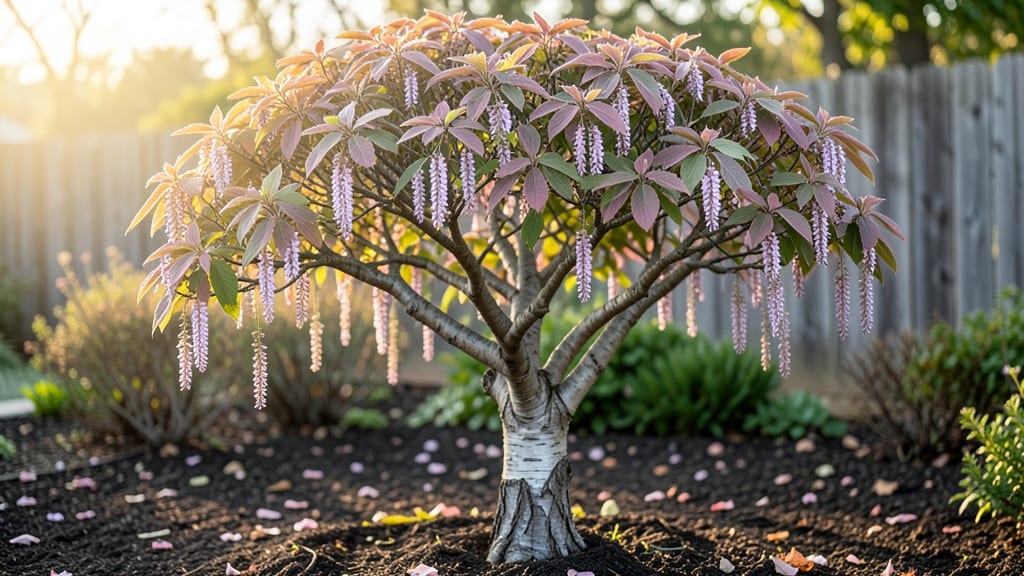
The name for pink leaf trees includes iconic varieties like Royal Poinciana (Delonix regia), famous for its fiery pink flowers, and Japanese Maple (Acer palmatum), celebrated for its delicate pink foliage. These trees bring bold seasonal color to gardens and landscapes.
The name "pink leaf tree" actually refers to a diverse group of species that share one common trait: their stunning pink foliage or blooms. 🌸 What's fascinating is how these trees develop their signature hues—it's all thanks to anthocyanins, natural pigments that respond to sunlight and temperature changes.
For example, the vibrant pink in Royal Poinciana flowers peaks during spring, while Japanese Maple leaves often turn pink in cooler autumn weather. This biological process makes these trees perfect for adding seasonal drama to any outdoor space.
Beyond their visual appeal, these trees vary dramatically in care needs.
Royal Poinciana thrives in USDA zones 10-11, while Japanese Maple adapts to zones 5-8, showing how different species can suit various climates. 🌿 The key to their success lies in understanding each variety's specific requirements—whether it's well-drained soil for Poinciana or partial shade for Maples.
This diversity means you can find the perfect pink leaf tree for almost any garden design, from tropical landscapes to temperate backyards.
💡 In This Article
- Why Pink Leaf Trees Turn Stunning Colors
- Top 10 Pink Leaf Trees for Landscaping
Why pink leaf trees turn stunning colors
The vibrant pink hues in leaf trees are primarily the work of anthocyanins—water-soluble pigments that act like nature's built-in sunscreen.
These compounds protect leaves from excessive sunlight by absorbing harmful ultraviolet rays while reflecting pink, red, and purple wavelengths. 🌸 The concentration of anthocyanins increases when trees experience cooler temperatures or shorter daylight hours, which is why many varieties display their brightest pinks during spring blooms or autumn transitions.
For instance, the Japanese Maple (Acer palmatum) produces its most intense pink foliage when nighttime temperatures drop below 60°F.
Genetics also play a crucial role in determining the shade of pink. Some trees, like the Royal Poinciana (Delonix regia), have naturally high anthocyanin production due to their tropical origins, where bright flower colors help attract pollinators.
Others, such as the Pink Dogwood (Cornus florida), inherit their pink traits through selective breeding over centuries. The exact shade—ranging from soft blush to fiery coral—depends on the specific anthocyanin variants present in each species.
For example, the Delonix regia contains a unique mix that produces its signature flame-like pink blooms, while the Lagerstroemia indica (Crape Myrtle) develops pink hues through a different pigment pathway.
Environmental factors like sunlight exposure and soil pH further influence color intensity. Trees grown in full sun often develop deeper pinks because the increased UV radiation triggers higher anthocyanin production. Meanwhile, slightly acidic soil (pH 5.5-6.5) enhances pigment development in species like the Pink Princess Japanese Maple.
What's fascinating is how these trees can shift colors seasonally—some, like the Bougainvillea (Bougainvillea spectabilis), maintain their pink bracts year-round in warm climates, while others, like the Pink Hawthorn (Crataegus phaenopyrum), cycle through pink, white, and even red blooms over their growing season.
Temperature acts as a master switch for many pink leaf trees. The Royal Poinciana, for example, requires consistent warmth above 70°F to trigger its flowering cycle, while the Pink Smoke Tree (Cotinus coggygria) develops its namesake pink "smoke" effect when daytime temperatures reach 75°F during spring.
This temperature sensitivity explains why some pink leaf trees thrive in tropical zones (like Poinciana) while others, like the Pink Weigela (Weigela florida), adapt to cooler climates of zones 4-8. The interplay between genetics and environment creates the stunning diversity we see in pink leaf trees today.
One often-overlooked factor is water stress. Many pink leaf trees, particularly those from arid climates like the Desert Willow (Chilopsis linearis), produce more intense pink hues when slightly water-stressed. This evolutionary adaptation helps conserve moisture while still attracting pollinators.
However, pushing this too far can damage the tree—finding the right balance between hydration and stress is key to maintaining that perfect pink color. For gardeners, this means providing consistent moisture during growth periods while allowing the soil to dry slightly between waterings during dormant seasons.
Understanding these scientific mechanisms helps explain why some pink leaf trees change color dramatically over time. The Pink Princess Japanese Maple, for instance, may start with soft pink leaves in spring that deepen to burgundy by autumn—a process controlled by shifting anthocyanin production in response to daylight changes.
This natural color transformation is what makes these trees so captivating in landscape design, offering seasonal visual interest that few other plants can match. 💫