
Pruning
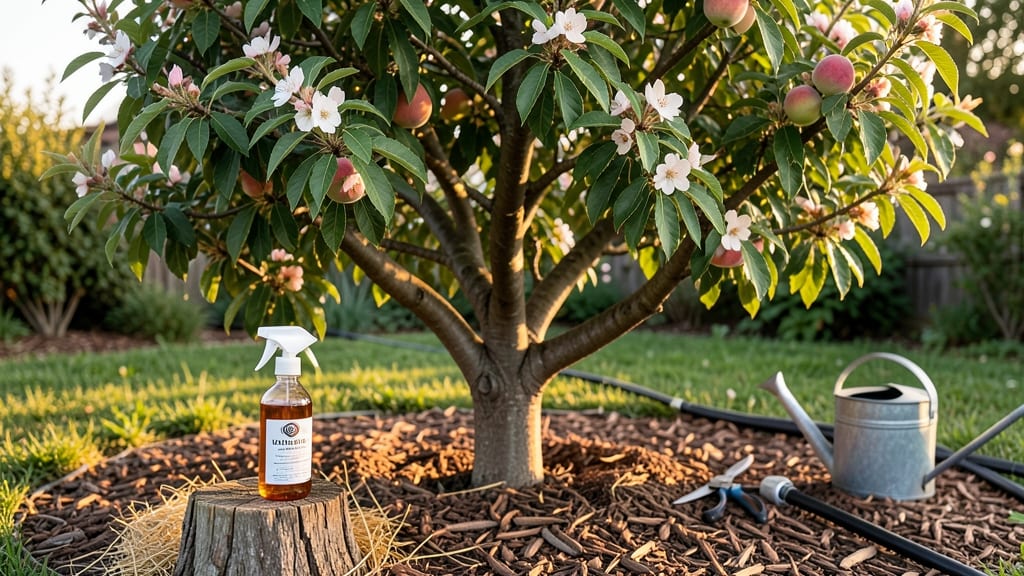
The peach tree treatment you start with a 4-step pruning calendar keeps diseases like brown rot and pests like borers at bay. 🌱 I’ve watched trees go from struggling to producing hundreds of perfect peaches in just two seasons by timing cuts right—spring, summer, fall, and winter each have a specific job.
The key isn’t just when you prune, but how you do it: removing the right branches, thinning properly, and avoiding common mistakes that invite trouble.
Most problems—leaf curl, aphid infestations, or weak growth—stem from over-pruning, poor timing, or ignoring early signs. I learned the hard way when my first tree got brown rot because I pruned too late in spring.
Now, I check for mummified fruit (a dead giveaway) and peeling bark (borer warning) every month. The fix? Sharp tools, clean cuts, and a little elbow grease—no fancy equipment needed. Even organic growers can tackle these issues with copper sprays, neem oil, and proper sanitation.
By following this calendar, you’ll see fewer blighted blooms, stronger branches, and more consistent harvests year after year. The best part? Healthy peach trees need less intervention—they resist pests naturally.
Think of pruning as a conversation with your tree: listen to what it’s telling you (drooping leaves? That’s a clue), and respond with the right cuts at the right time.
Whether you’re dealing with a young sapling or a mature tree, these steps adapt to any size. Spring is for shaping, summer for cleanup, fall for disease prevention, and winter for structural fixes. Skip the guesswork—your tree’s future fruit depends on it. Let’s get started with the first cut.
Root Causes Behind Tree Struggles
Peach trees are resilient, but when they show signs of distress—whether through poor fruit production, leaf discoloration, or stunted growth—it’s almost always a sign of an underlying issue.
Understanding why these problems occur is the first step to restoring your tree’s health. Let’s break down the most common culprits with clear, actionable explanations.
Peach trees thrive in well-draining, slightly acidic soil (pH 6.0–6.5). If your tree’s roots are struggling, it’s often due to:
- Compacted soil: Heavy clay or foot traffic can suffocate roots, cutting off oxygen and nutrients. Result? Yellowing leaves, weak branches, and poor fruit set.
- Nutrient deficiencies: Peach trees are heavy feeders and deplete nitrogen, phosphorus, and potassium quickly. A lack of these leads to:
- Nitrogen deficiency: Pale, yellow leaves (starting with older ones) and stunted growth.
- Potassium deficiency: Brown leaf edges (called "scorch") and weak stems.
- Zinc or iron deficiency: Interveinal chlorosis (yellowing between leaf veins), common in alkaline soils.
- Waterlogging: Peach trees hate soggy roots. Overwatering or poor drainage leads to root rot (Phytophthora or Fusarium fungi), causing wilting, leaf drop, and blackened roots.
Peach trees are magnets for pests and pathogens, especially if they’re already stressed. Here’s what’s likely attacking yours:
| Pest/Disease | Symptoms | Why It Happens |
|---|---|---|
| Peach Leaf Curl (Taphrina deformans) | Thickened, puckered, red/purple leaves in spring; poor fruit development. | Fungal spores overwinter on buds and infect new growth when wet, cold springs (<60°F) favor spread. |
| Brown Rot (Monilinia fructicola) | Mushy, brown fruit with pink spores; twig dieback. | Fungus enters through blossoms or wounds, thriving in humid, rainy conditions (70–80% humidity). |
| Peach Tree Borer (Synanthedon exitiosa) | Sawdust-like frass at base of trunk; oozing sap; wilting branches. | Larvae tunnel under bark, blocking water/nutrients. Attracted to stressed or injured trees. |
| Aphids/Scale Insects | Sticky honeydew on leaves; curled, distorted new growth; sooty mold (black fungus). | Sap-sucking pests multiply rapidly in warm, dry conditions. Weak trees can’t fight them off. |
Pruning is essential for peach tree health, but doing it wrong can trigger problems:
- Over-pruning: Removing too many branches (especially in winter) stresses the tree, reducing energy for fruit production and leaving it vulnerable to disease.
- Improper cuts:
- Cutting too close to the trunk (within 1/4 inch) invites rot and pest entry.
- Leaving stubs slows healing and encourages disease.
- Wrong timing:
- Pruning in fall (after harvest) can promote late-season growth, which is susceptible to winter dieback.
- Pruning in late winter (before bud swell) risks removing next year’s fruit buds.
- Ignoring dead/diseased wood: Leaving infected branches spreads pathogens like brown rot or bacterial canker.
Peach trees are sensitive to their surroundings. Common environmental triggers include:
- Extreme temperatures:
- Late frosts (<28°F) damage blossoms, leading to poor fruit set.
- Heat stress (>90°F for days) causes leaf scorch (brown edges) and fruit sunburn (white patches).
- Wind exposure: Constant wind desiccates leaves (dries them out) and weakens branches, making them prone to breakage.
- Pollution or urban stress: Trees near roads (exposed to exhaust fumes) or in urban areas often suffer from:
- Reduced photosynthesis (sooty mold blocks sunlight).
- Root compaction from construction or foot traffic.
Quick Fixes for Common Peach Tree Woes
Revitalizing your peach tree starts with pinpointing the issue—and acting fast. Below, we’ve mapped out practical, step-by-step solutions for the most common problems, from fungal infections to pest invasions, along with prevention tips to keep your tree thriving year-round.
Think of this as your peach tree first-aid kit—no green thumb required!
Cause: Overwatering, poor airflow, or damp foliage invites fungal invaders like brown rot or leaf spot.
Fix It:
- 🔥 Prune aggressively – Remove all infected branches (look for blackened spots, oozing lesions, or wilting leaves). Sterilize pruners with 70% rubbing alcohol or a 10% bleach solution between cuts.
- 🌡️ Apply fungicide – Spray with a copper-based fungicide (like Bordeaux mixture) or a baking soda solution (1 tbsp baking soda + 1 quart water + a drop of dish soap) before buds swell in early spring. Reapply every 2–3 weeks during wet seasons.
- 💨 Improve airflow – Thin out dense branches to reduce humidity trapped in the canopy. Space trees 12–15 feet apart if replanting.
💡 Prevention Pro Tips:
- Water at the base (avoid overhead sprinkling).
- Mulch properly – Use 2–3 inches of wood chips, keeping mulch 6 inches away from the trunk to prevent rot.
- Clean up debris – Rake and remove fallen leaves/fruit immediately after harvest to starve fungi.
Cause: Chewing insects, sap-suckers, or tunneling larvae weaken branches and fruit.
Fix It:
- 🔪 Handpick or hose off – For aphids or peach tree borers, blast them off with a strong stream of water (early morning works best). Use a drop cloth to shake borers onto it, then crush or dispose.
- 🍳 Apply organic sprays – Mix neem oil (1 tbsp per gallon of water) or kaolin clay (follow label rates) to deter borers and curculio beetles. Spray every 7–10 days during peak pest season (May–July).
- 👨🍳 Set traps – Hang pheromone traps for borers in early spring. For aphids, introduce ladybugs (buy them online or at garden centers).
🎯 Prevention Tactics:
- Wrap trunks – Apply tree wrap (not plastic) around the trunk in late winter to confuse borers.
- Prune for sunlight – Thin branches to reduce shady, damp spots where pests hide.
- Encourage predators – Plant dill, fennel, or marigolds nearby to attract beneficial insects.
Cause: Over-pruning, nutrient deficiencies, or compacted soil.
Fix It:
- 📊 Test soil & fertilize – Conduct a soil test (kit from a garden center or extension office). Amend with:
- Nitrogen (for leafy growth): Use alfalfa meal or blood meal in early spring.
- Phosphorus (for roots/fruit): Add bone meal in fall.
- Potassium (for disease resistance): Use wood ash or greensand.
- ⏰ Prune strategically – Avoid topping (cutting back to stubs). Instead, prune in late winter to remove:
- Dead/diseased wood (cut back to healthy green tissue).
- Crossing branches (rubbing branches weaken the tree).
- Suckers (shoot-like growth at the base).
- 🌿 Mulch & water deeply – Spread 3–4 inches of mulch (avoid fresh grass clippings) and water 1–2 inches per week (deep soak, not frequent light watering).
✨ Long-Term Growth Hacks:
- Avoid heavy pruning in summer—focus on light shaping in late winter.
- Plant companion crops like clover (fixes nitrogen) under the tree.
- Monitor for girdling roots – If roots circle the trunk, score the soil around the base to encourage outward growth.
Cause: Uneven watering, temperature swings, or pollination problems.
Fix It:
- 💦 Regulate watering – Drip irrigation (not sprinklers) is ideal. Aim for consistent moisture—peaches need 1–1.5 inches of water weekly during fruit development.
- 🌡️ Protect from heat/cold – If temps drop below 32°F during bloom, cover trees with frost cloth at night. For heat stress (cracked fruit), shade cloth (30–50%) can help.
- 🐝 Boost pollination – Plant bee-friendly flowers (like lavender or sunflowers) nearby. If bees are scarce, hand-pollinate with a small brush in the morning.
🍎 Fruit-Saving Tips:
- Thin fruit early – Remove 50% of peaches when they’re golf-ball sized to prevent overcrowding (better-sized, sweeter fruit!).
- Harvest at peak ripeness – Pick when the fruit slips easily from the tree and smells sweet.
- Store properly – Keep peaches at room temp for 2–3 days, then refrigerate (they won’t ripen further once picked).
If your peach tree shows sudden wilting, blackened bark, or no leaves, act fast: 1. 🔪 Prune back severely – Cut 1/3 of the canopy to reduce stress and inspect for cankers (sunken, dead spots). Sterilize tools between cuts.
- 💊 Apply systemic fungicide – Use myclobutanil or propiconazole (follow label rates) to treat bacterial canker or silver leaf disease.
- 🌱 Consider replanting – If the tree is beyond saving, dig a 6-foot-wide hole, amend the soil, and plant a dwarf variety (like ‘Redhaven’ or ‘Elberta’) in a well-draining spot.
💡 Last Resort Tip:
- Save scions – If the root system is healthy, take 12-inch cuttings from young branches and graft them onto a new rootstock (a nursery can help with this!).
Frequently asked questions
When is the best time to prune my peach tree to prevent diseases?
Prune your peach tree during late winter (just before buds swell) to minimize disease risk. This timing helps avoid spreading fungal spores like brown rot, which thrive in wet conditions. Never prune in fall—new growth can't harden off before winter and may die back. Always sterilize your tools with 70% rubbing alcohol between cuts to prevent contamination.
How do I know if my peach tree has peach leaf curl, and what's the fastest fix?
Look for thickened, puckered leaves that turn red/purple in spring—classic signs of peach leaf curl. The fastest fix is applying a copper fungicide (like Bordeaux mixture) before buds swell in early spring. For organic options, use a baking soda spray (1 tbsp baking soda + 1 quart water + dish soap). Remove all infected leaves immediately to stop the spread.
My peach tree has sawdust-like frass at the base—what's eating it, and how do I stop it?
That's a peach tree borer—its larvae tunnel under the bark, blocking water and nutrients. Trap them with pheromone traps in early spring and wrap the trunk with tree wrap (not plastic) to confuse emerging adults. For existing infestations, inject systemic insecticide (like imidacloprid) into the trunk or apply neem oil directly to borer entry holes.
Can I use the same fungicide for both brown rot and leaf curl?
Yes! Copper-based fungicides (like copper sulfate or copper hydroxide) work against both brown rot and leaf curl. Apply them before bud break in early spring, then reapply every 2–3 weeks during wet seasons. For organic growers, a baking soda solution (1 tbsp baking soda + 1 quart water + dish soap) is also effective against both fungi when sprayed preventatively.
Why are my peach tree's leaves turning yellow between the veins, but the veins stay green?
This interveinal chlorosis usually signals a zinc or iron deficiency, common in alkaline soils. Fix it by applying chelated iron or zinc sulfate (follow label rates) and testing your soil pH—peach trees prefer 6.0–6.5. For quick results, spray leaves with a fertilizer solution (like Sea90) every 2 weeks until new growth appears. Mulch with compost to improve soil health long-term.