
Pruning
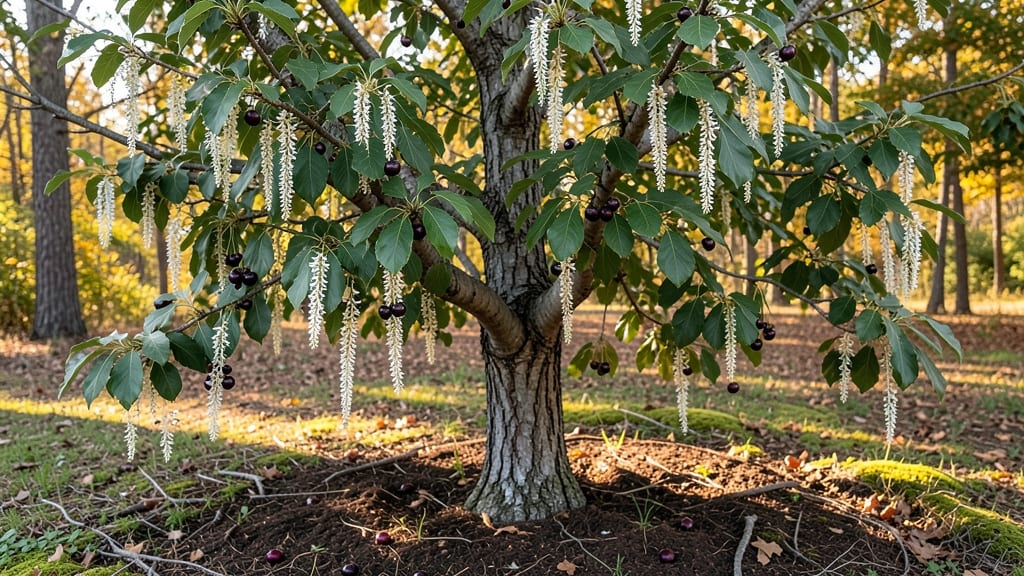
Your North Carolina cherry tree thrives when pruned right—this guide keeps it healthy year-round. 🌳 I’ve spent years watching my sweet cherries in Raleigh go from scraggly to showstopping, and the secret is timing, technique, and a little local know-how.
Pruning isn’t about hacking branches—it’s about opening the canopy for sunlight and air, which cuts down on pests and diseases that plague NC’s humid summers. Start in late winter (before buds swell) and repeat after harvest to shape the tree and encourage next year’s fruit.
By summer, you’ll see fuller branches, fewer pests, and a tree that produces more, juicier cherries every season. The key is patience: a well-pruned tree can live for decades and reward you with harvests that make neighbors green with envy.
Works for both sweet varieties like ‘Stella’ and tart types like ‘Montmorency’. Let’s get those shears sharp!
📚 In This Guide
- What you need
- Instructions
- Tips and common mistakes
- Wrapping up and next steps
What you need
- ● Pruning shears – Sharp, bypass-style shears (for small branches, under ½ inch thick).
- ● Loppers – Long-handled, for branches ½ to 1½ inches thick.
- ● Pruning saw – For thick branches over 1½ inches (aluminum or hardwood blade recommended).
- ● Gloves – Heavy-duty, cut-resistant gloves (cherry trees can have thorns!).
- ● Disinfectant – 70% isopropyl alcohol or a 10% bleach solution (to sterilize tools between cuts).
- ● Rubbing alcohol or hand sanitizer – For cleaning hands after pruning.
- ● 5-gallon bucket – For collecting pruned branches and debris.
- ○ Pruning sealant – Optional but helpful for large cuts (over ½ inch) to prevent disease.
- ● Extension pole – For high branches (attach shears/loppers to reach safely).
- ● Safety glasses – Protects eyes from falling debris or sap.
- ● Work boots or sturdy shoes – Especially if pruning near uneven terrain.
- ● Ladder – Only if you’re absolutely sure it’s stable (cherry trees can be top-heavy!).
- ● Notebook & pen – To sketch your tree’s structure or note pruning decisions.
- ● Tree wound dressing – Controversial but some gardeners swear by it for healing large cuts.
- ● ✅ Check the weather: Prune on a dry, cloudy day (avoid wet or windy conditions).
- ● ✅ Know your tree’s age: Young trees need light shaping; mature trees may need structural pruning.
- ● ✅ Sterilize tools: Prevents spreading bacterial or fungal diseases between cuts.
- ● 💡 Pro Tip: If pruning in North Carolina’s winter, wait until dormant season (late winter/early spring) for best results.
- ● 🌡️ Pro Tip: Avoid pruning during peak cherry harvest season (June–July) to protect fruit production.
Instructions for pruning a cherry tree in North Carolina
Here's the seasonal approach I've used for years to keep my cherry trees thriving through NC's humid summers and mild winters.
✂️ Step 1: Prune in Late Winter Before Bud Break
Start your pruning 4-6 weeks before your last frost date—typically late February to early March in North Carolina. This timing prevents late-season growth that could be damaged by cold snaps. I look for tight, closed buds as my signal that it's time to begin.
Remove any dead, diseased, or crossing branches first using clean, sharp pruning shears. Make cuts just outside the branch collar where the branch meets the trunk. Avoid leaving stubs—these invite rot and pests. For larger branches over ½ inch thick, use a pruning saw for clean cuts.
☀️ Step 2: Thin the Canopy for Better Airflow
Next, focus on thinning the canopy to improve light penetration and reduce disease risk. Remove branches that rub against each other or grow inward toward the center of the tree. Aim to open up the canopy so at least 50% of sunlight reaches the inner branches.
I target branches that are growing straight up—these compete with the central leader and create weak crotches. Cut these back to a strong lateral branch. Watch for water sprouts (fast-growing vertical shoots) and remove them completely—they drain the tree's energy and create weak wood.
🌿 Step 3: Shape the Tree for Structural Integrity
Now it's time to shape your tree for long-term health. Remove any branches that create narrow angles (less than 45 degrees) with the trunk or scaffold branches—these are prone to breaking under fruit weight or ice. For scaffold branches, maintain a 3-6 foot spacing between them.
Step back frequently to visualize the tree's shape. Your goal is a balanced, vase-like form with a strong central leader. Avoid heavy pruning of the central leader—never remove more than 25% of its length in one season. I like to leave the top branches slightly longer to encourage upward growth.
⏰ Step 4: Summer Pruning for Fruit Production
After the initial winter pruning, do a light maintenance in late June to early July to encourage fruit production next year. Remove any suckers (shoots growing from the base or roots) and water sprouts that appear during the growing season.
Look for branches that produced poor-quality fruit this year and prune them back by one-third. This redirects the tree's energy toward more productive branches. Avoid heavy pruning during summer—it stresses the tree and makes it vulnerable to pests and diseases common in North Carolina's humid climate.
✂️ Step 5: Clean Up and Sanitize Tools
After pruning, clean up all debris from the base of the tree and around the yard. Dispose of diseased branches immediately—don't compost them. I like to burn or trash them to prevent fungal spores from overwintering and reinfecting the tree.
Sanitize your pruning tools with a 10% bleach solution or rubbing alcohol between cuts, especially when moving from diseased to healthy branches. Store tools in a dry place to prevent rust. A little maintenance now saves hours of cleanup—and potential tree loss—next season.
Tips & tricks for pruning cherry trees in North Carolina
Here's what I've learned after years of pruning cherry trees in NC's challenging climate—these tricks make all the difference.
Timing is Everything: That 4-6 week window before your last frost date is critical, but don't wait until the last minute. If you prune too early, you risk late-season growth that can't harden off before winter. I check for tight, closed buds as my go-to signal—when I see those, I know it's time to start. In North Carolina's mild winters, this usually lands in late February to early March, but always confirm with your local frost date.
Branch Collar Matters: When making cuts in Step 1, resist the urge to leave stubs—those little nubs are where rot and pests love to set up shop. Focus on cutting just outside the branch collar where the branch meets the trunk. This small detail prevents infections that can spread through your entire tree. For branches over ½ inch thick, take your time with a pruning saw to avoid tearing the bark.
Canopy Light Check: After thinning the canopy in Step 2, step back and visualize sunlight paths. You want to see light reaching all the way to the inner branches—aim for at least 50% penetration. I use a simple trick: hold a flashlight at the tree's height and see where shadows fall. This helps me spot areas I might have missed when working up close. Proper light distribution prevents fungal issues that thrive in NC's humid summers.
Summer Pruning Strategy: During that late June to early July maintenance, focus on removing only the worst offenders—suckers, water sprouts, and branches with poor fruit production. Remember, you're redirecting energy, not trying to completely reshape the tree. I make a point to avoid heavy pruning during summer because NC's heat and humidity stress trees more than you might expect. Think of this as a light trim rather than a major overhaul.
Pro Tips for Cherry Tree North Carolina
- Here's what I've learned after years of pruning cherry trees in NC's challenging climate—these tricks make all the di...
- Timing is Everything: That 4-6 week window before your last frost date is critical, but don't wait until the last min...
- Branch Collar Matters: When making cuts in Step 1, resist the urge to leave stubs—those little nubs are where rot and...
Frequently asked questions
Got questions about keeping your North Carolina cherry tree thriving?
You’re in the right place! Here are answers to the most common queries—from timing to troubleshooting—so you can prune with confidence.
When is the best time to prune a cherry tree in North Carolina?
For sweet cherries, prune in late winter or early spring (before buds swell) to avoid silver leaf disease. Tart cherries can be pruned in late winter or summer, but avoid heavy pruning during dormancy. Always prune when the tree isn’t actively stressed (e.g., not during drought or extreme heat).
Can I prune a cherry tree in winter if it’s dormant?
Yes, but only if it’s truly dormant (no green leaves or buds). Winter pruning helps shape the tree and removes dead wood. However, avoid pruning too late in winter (Feb–March in NC) if cold snaps are forecasted—new growth could be damaged. If your tree is still dormant in late winter, go ahead!
Why are my cherry tree’s leaves curling or dropping after pruning?
Curling or dropping leaves often signal stress from over-pruning, disease (like bacterial leaf spot), or pest damage (e.g., spider mites). If you pruned heavily, reduce future cuts by 25%. Check for pests on the undersides of leaves and treat with neem oil if needed. Fungal issues? Prune in dry weather and sterilize tools with rubbing alcohol.
Should I remove suckers or water sprouts from my cherry tree?
Absolutely!
Suckers (shoots from the base) and water sprouts (fast-growing vertical shoots) drain energy from fruit production. Use sharp pruners to cut them at the base in late winter or early spring. For stubborn suckers, apply a horticultural paint to the cut to seal it and prevent disease.
How do I know if my cherry tree needs pruning at all?
Prune if your tree has:
- Dead, diseased, or crossing branches (blocking sunlight or air flow).
- Overcrowded limbs (reducing fruit quality and size).
- Shoots growing inward (risk of rubbing and bark damage).
- Less than 10–15% of last year’s growth (sign of poor health).
Wrapping up and next steps
North Carolina’s cherry trees thrive with the right care—and pruning is your secret weapon! 🌿 Whether you’re tending to sweet cherries in the Piedmont or tart varieties in the mountains, consistent, seasonal trimming ensures vibrant blooms, bountiful fruit, and long-term health.
Remember: patience and precision pay off, so start small, learn from each season, and watch your tree flourish.
Ready to take the next step? Grab your pruners and schedule a pruning session this fall or winter—your cherry tree (and future harvests) will thank you! 🍒 For extra guidance, consult local NC Extension offices or join gardening forums to swap tips with fellow pruners.