
Pruning
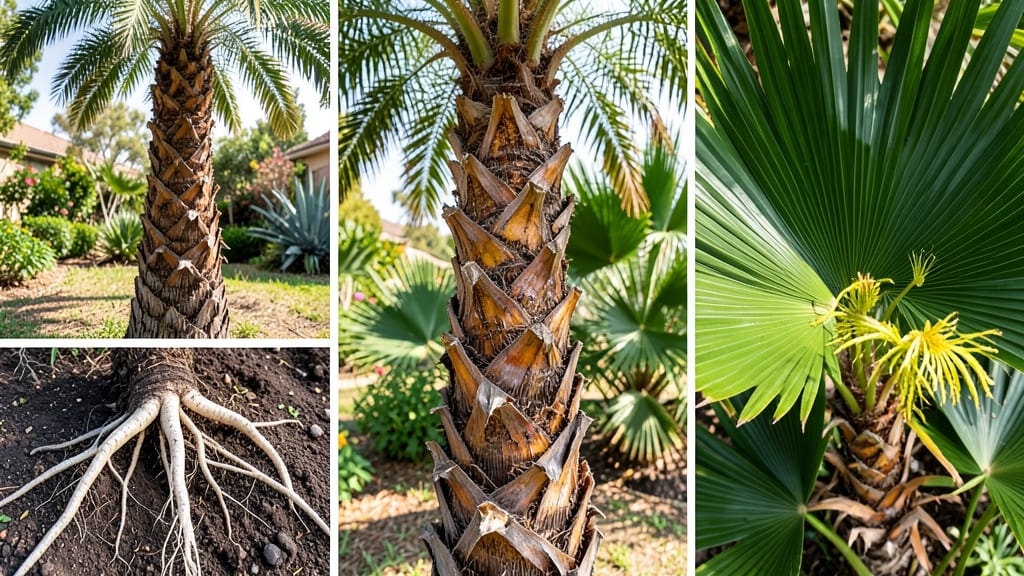
Seeing your palm tree bark falling off like sunburnt skin isn’t always a death sentence—it’s often just nature’s way of refreshing. 🌿 The key is telling normal shedding from signs of stress, pests, or disease that demand action.
I’ve seen palms lose bark from drought, fungal attacks, or even overzealous pruning, but with the right steps, they bounce back stronger than ever. First, check the why: is it dry weather, too much water, or maybe scale insects hiding under the flakes?
Healthy palms shed in patches, while stressed ones show yellowing fronds or oozing sap. The good news? Most cases fix with proper watering, pruning dead fronds, and a light application of horticultural oil for pests.
By the time you finish, your palm will be on track for lush, healthy regrowth—thicker trunk, brighter fronds, and that classic tropical vibe. The secret is acting fast when you spot the wrong kind of peeling (think dark spots, mold, or excessive dryness).
Works for all common palms—from dwarf varieties to towering Canary Island palms. Let’s get that trunk looking strong again!
Root Causes Behind Bark Loss
When your palm tree starts shedding bark like a shedding dog in summer, it’s rarely a random act—there’s usually a clear reason behind it. Understanding these causes helps you address the issue before it weakens your tree.
Below, we break down the most common reasons why palm tree bark peels away, from natural processes to environmental stressors.
Palm trees, like many plants, undergo natural cycles of growth and renewal. As they mature, older bark layers can become loose and fall off to make way for new growth.
This is especially common in species like the Washingtonia or Sabal palms, where the trunk expands over time, causing the outer bark to split and peel away.
- How to tell it’s natural: The shedding is gradual, not sudden. The trunk may reveal smooth, green tissue underneath, indicating healthy regrowth.
- What to do: Leave it be! Pruning isn’t necessary unless the exposed area shows signs of rot or pest damage.
- Pro tip: 🌡️ If the exposed trunk looks too green or mushy, it could signal overwatering—adjust your irrigation.
Palm trees love the sun, but too much intense heat—especially in dry climates—can cause the bark to blister, crack, and eventually slough off. This is often seen in younger palms or those suddenly exposed to harsh sunlight after being shaded.
- Signs of heat stress:
- Bark turns brown or black in patches.
- Cracks appear vertically along the trunk.
- New growth at the top looks scorched.
- Actionable fixes:
- 🌳 Provide temporary shade with a light fabric cover (like shade cloth) during peak sun hours (10 AM–4 PM).
- Water deeply but infrequently to encourage deep root growth (aim for 1–2 inches of water per week).
- Avoid fertilizing during heatwaves—it stresses the tree further.
Palm trees are drought-tolerant, but overzealous watering (or soggy soil) can lead to bark splitting and peeling. When roots sit in waterlogged conditions, they struggle to absorb nutrients, causing the trunk to weaken and shed bark prematurely.
- Red flags:
- Bark peels away in large, wet-looking patches.
- Foul odor near the base of the tree.
- Mushy or discolored trunk tissue under the bark.
- How to fix it:
- ⏰ Reduce watering immediately—palms prefer dry soil between waterings.
- Improve drainage by amending the soil with perlite or sand (if planted in containers).
- If the tree is in the ground, consider installing a French drain around the base to redirect excess water.
Not all bark loss is harmless—pests like palm weevils or diseases such as Ganoderma (a fungal infection) can cause bark to peel away as they burrow into the trunk or weaken the tree’s structure.
| Pest/Disease | Signs | Solution |
|---|---|---|
| Palm Weevil |
|
|
| Ganoderma (Trunk Rot) |
|
|
Mechanical stress—whether from hail, lawn equipment, or aggressive pruning—can strip bark away. Even well-meaning pruning can harm a palm if done incorrectly, leaving wounds that peel or rot over time.
- Common mistakes:
- Cutting too close to the trunk (within 6–12 inches of the frond base).
- Using dull or contaminated tools that tear the bark.
- Pruning during wet conditions (bacteria love fresh cuts!).
- How to prune safely:
- 🔪 Use sharp, sterilized pruners or a palm saw.
- Make clean cuts at a 45-degree angle, leaving a small "heel" of tissue.
- Apply a copper-based fungicide to cuts to prevent infection.
Fixing Peeling Palm Bark
When your palm tree’s bark starts peeling like sunburned skin, it’s not just an eyesore—it can signal deeper stress or disease. The good news? Most cases are fixable with the right care.
Below are targeted solutions based on the most common causes, plus preventive tips to keep your palm thriving. Let’s get your tree back to its lush, healthy self!
---
If peeling bark stems from malnutrition (like potassium or magnesium shortages), your palm needs a quick nutrient boost.
#### How to Fix It: 🔥 Test the Soil First Use a soil test kit (available at garden centers) to confirm deficiencies. Yellowing fronds or weak growth often accompany nutrient loss.
🍳 Apply a Balanced Fertilizer - For young palms: Use a slow-release palm fertilizer (look for labels with potassium (K) and magnesium (Mg)). - For mature palms: Switch to a high-potassium fertilizer (like 8-3-12) in early spring and fall. - For magnesium issues: Sprinkle Epsom salt (1 tbsp per gallon of water) around the base monthly during dry spells.
👨🍳 Top-Dress with Organic Matter Spread a 2-inch layer of compost or aged manure around the root zone (keep it 6 inches from the trunk). Water deeply to help nutrients absorb.
💡 Pro Tip: Avoid over-fertilizing—too much salt can burn roots! Follow package instructions and water thoroughly after application.
---
Pests like palm weevils, scale insects, or mealybugs weaken bark, causing it to peel or crack. Act fast before damage spreads!
#### How to Fix It: 🔪 Inspect for Signs of Infestation - Frass (sawdust-like droppings) near the base = palm weevil larvae. - Sticky residue on fronds = scale or mealybugs. - Holes in the trunk = borers (often fatal if ignored).
⏰ Treat Infestations Immediately - For weevils/borers: - Inject fenthion or imidacloprid (systemic insecticides) into the trunk with a soil probe (follow label rates). - Severe cases? Call an arborist—some infestations require professional treatment. - For scale/mealybugs: - Spray with horticultural oil or neem oil (reapply every 7–10 days). - Wipe infested areas with a soapy water cloth (1 tsp mild soap per gallon of water).
🌡️ Prevent Future Pests - Keep the base clean: Remove dead fronds and debris (pests hide here!). - Prune regularly: Remove yellow or dead fronds to reduce pest hiding spots. - Use reflective mulch: Silver-colored mulch around the base can deter some insects.
✨ Prevention Bonus: Healthy palms resist pests better—ensure proper watering and fertilization!
---
Sun scald, windburn, or extreme temps can cause bark to peel like a sunburn. Adjust care to protect your palm.
#### How to Fix It: 🌿 Adjust Watering Practices - Overwatering? Let soil dry 4–6 inches deep between waterings (stick your finger in to check). - Underwatering? Water deeply 1–2 times per week (depending on climate).
Use drip irrigation to avoid wetting the trunk. - Mulch properly: Apply 3–4 inches of mulch (wood chips or bark) 6 inches from the trunk to retain moisture.
🏖️ Protect from Harsh Elements - Sunburn: If your palm is in full sun, provide afternoon shade (use shade cloth or plant nearby). - Wind damage: Stake young palms or plant them sheltered from strong winds. - Cold snaps: Wrap the base with burlap or frost cloth if temps drop below 30°F.
💡 Pro Tip: Palm trees hate wet trunks! Ensure the base stays dry to prevent fungal rot, which worsens peeling.
---
Dead or damaged fronds can stress a palm, accelerating bark issues. Prune strategically to encourage regrowth.
#### How to Fix It: 🍃 Remove Only the Necessary - Dead fronds: Cut at the base where it meets the trunk (use clean, sharp pruners). - Yellowing fronds: Wait until fully brown before removing (green fronds still photosynthesize!). - Hanging or broken fronds: Trim 1–2 inches above the trunk to avoid stubs.
🔪 Disinfect Tools - Wipe pruners with rubbing alcohol between cuts to prevent disease spread.
⏰ Best Time to Prune - Spring or early summer is ideal—avoid pruning in winter (dormant season) or peak heat (stresses the tree).
💡 Pro Tip: Never remove more than 1/3 of the fronds at once—this can shock the palm!
---
- 📊 Test soil annually (especially in sandy or clay soils). - 💪 Fertilize twice a year (spring & fall) with palm-specific nutrients. - 🌡️ Monitor moisture—palms hate soggy or bone-dry roots. - 👀 Inspect monthly for pests, cracks, or unusual peeling. - ✂️ Prune dead fronds promptly to reduce stress.
--- Final Note: If peeling persists despite these fixes, consult a certified arborist—it could signal fungal disease (like Ganoderma butt rot) or genetic susceptibility, which require advanced treatment.
Your palm’s bark may peel now, but with the right care, it’ll regrow smooth and strong—just like new! 🌴✨
Frequently asked questions
Is it normal for palm tree bark to peel off naturally?
Yes, many palm species—like Washingtonia or Sabal—shed bark as they grow, revealing smooth green tissue underneath. This is healthy! Look for gradual peeling and no other symptoms like yellowing fronds or foul odors. If the exposed trunk looks mushy, you might be overwatering.
How can I tell if peeling bark is from pests or disease?
Check for these red flags: frass (sawdust-like droppings) = palm weevils; sticky residue = scale insects; or dark spongy tissue under the bark = fungal rot. If you see holes in the trunk or white fungal growth at the base, act fast—these require immediate treatment or removal.
Can I prune the trunk to remove peeling bark?
No, never prune the trunk itself—palms don’t heal like trees with bark. Instead, focus on removing dead fronds (cut at the base) and improving care. If the exposed trunk looks unhealthy, treat for pests/disease first. Healthy palms regrow smooth bark naturally over time.
Will my palm tree die if the bark peels off?
Not necessarily! Many palms recover fully if the cause (like drought or pests) is addressed. However, if the trunk reveals dark, wet rot or the tree leans, it may be too late. Act within 2-4 weeks of noticing severe peeling to give your palm the best chance at recovery.
How often should I inspect my palm tree for bark issues?
Check your palm monthly during growing seasons (spring-fall) and bi-weekly in drought or pest-prone areas. Focus on the trunk base, frond attachment points, and any new cracks. Early detection makes all the difference—catch pests or disease before they spread!